Living in the Light of His Sacrifice
“For in that he died, he died unto sin once: but in that he liveth, he liveth unto God.” — Romans 6:10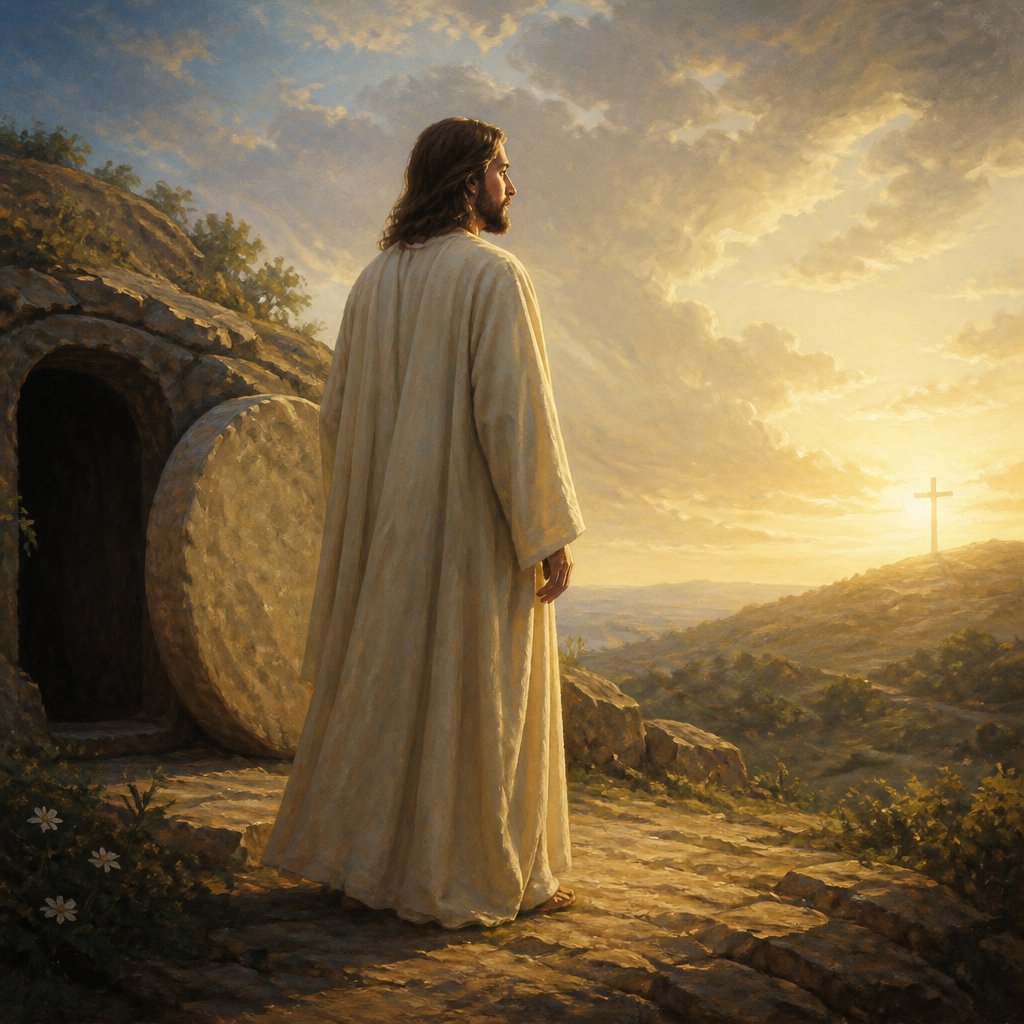
As we reflect on the profound truth encapsulated in Romans 6:10, "For in that he died, he died unto sin once: but in that he liveth, he liveth unto God," we are invited into a deeper understanding of the life, death, and resurrection of our Lord Jesus Christ. This verse serves as a turning point in our faith, illuminating the significance of Christ's sacrifice and the implications of His victorious life for us as believers.
At the heart of this verse is the dual reality of death and life. The first part, "For in that he died, he died unto sin once," points us to the reality of Christ's sacrificial death. It emphasizes that He died to sin—not just for Himself, but for all humanity. In the grand narrative of Scripture, we learn that sin results in death (Romans 6:23). However, Christ, the Lamb without blemish, bore our sins upon Himself, fulfilling the requirement of justice while extending grace to us. He died once—an atoning sacrifice sufficient for all, a final blow to the power of sin (Hebrews 10:10). This truth encourages us to reflect upon our own state before Him:
We were dead in our sins, enslaved to a cycle of brokenness and separation from God (Ephesians 2:1-3). Yet, in His death, we find our freedom. His sacrifice gave us the opportunity to repent and embrace the grace that brings salvation. It’s a single act in history with eternal ramifications, deserving of our continual remembrance and gratitude.
Transitioning to the second part of the verse, "but in that he liveth, he liveth unto God," we observe the victorious resurrection of Christ. His life after death is not merely a resumption of existence but a new reality altogether—a resurrection life lived wholly unto God. This rebirth is essential for us as we are called to be participants in that same power of resurrection.
When we place our faith in Christ, we are united with Him in His death and resurrection (Romans 6:5). This means that His life becomes our life. His purposes become our purposes. We are empowered to live not just for ourselves or our desires, but for God, to glorify Him in all that we do. This life transformed by the resurrection renders us new creations (2 Corinthians 5:17), equipped to walk in the good works He has prepared for us (Ephesians 2:10).
As believers, we must grapple with the call to live in light of this truth. The knowledge that Christ has secured our victory over sin jolts us into action: worship becomes our response, obedience our mission. So how do we live unto God? It starts with an intimate relationship—spending time in the Word, prayer, and fellowship with other believers. We must immerse ourselves in His presence, seeking to know Him and His will.
Moreover, living unto God often requires us to live counter-culturally. It asks us to bear witness to the difference Christ makes in us—to embody His love, grace, and truth in a world that desperately requires it. This involves real choices: denying ourselves, taking up our cross daily, and following Him (Luke 9:23). In our workplace, family, and community, we reflect His character—a light set upon a hill (
Matthew 5:14).
In Romans 6:10, we see a beautiful echo of the gospel's transformative power: the death of Christ permanently alters our relationship with sin, while His resurrection offers us newness of life. Every day, we are called to remember His monumental act on the Cross and respond by living as those who are alive unto God. May we embrace our identity in Him with boldness, fully aware that our lives can glorify God as we share the living hope we have through His Son.
Get our apps


Artwork for Romans 6:10
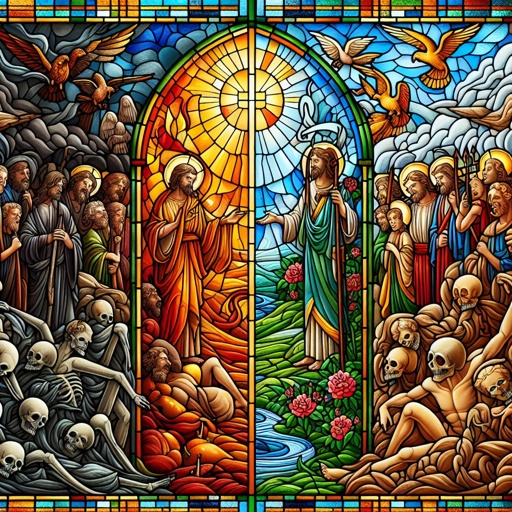
Romans 6:10 - "For in that he died, he died unto sin once: but in that he liveth, he liveth unto God."
"For in that he died, he died unto sin once: but in that he liveth, he liveth unto God." - Romans 6:10

Romans 10:6 - "But the righteousness which is of faith speaketh on this wise, Say not in thine heart, Who shall ascend into heaven? (that is, to bring Christ down from above:)"

Romans 10

Romans 10:17

Romans 10:17

Romans 10:17

Romans 10:17

Romans 10:17

Romans 10:17

Romans 10:17

Romans 10:14

Romans 10:17

Romans 10:9

Romans 10:9

Romans 6:23

Romans 8:6

Romans 6:23

Romans 10:13-15

Romans 10:10 - "For with the heart man believeth unto righteousness; and with the mouth confession is made unto salvation."
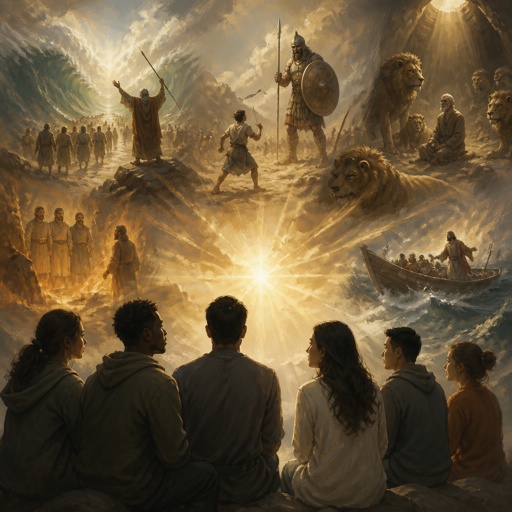
Romans 15:4-6

Romans 3:10 - "As it is written, There is none righteous, no, not one:"

Romans 6:7 - "For he that is dead is freed from sin."

Romans 10:4 - "For Christ is the end of the law for righteousness to every one that believeth."

Romans 10:11 - "For the scripture saith, Whosoever believeth on him shall not be ashamed."

Romans 10:17 - "So then faith cometh by hearing, and hearing by the word of God."

Romans 2:6 - "Who will render to every man according to his deeds:"

Romans 6:6 - "Knowing this, that our old man is crucified with him, that the body of sin might be destroyed, that henceforth we should not serve sin."

Romans 7:10 - "And the commandment, which was ordained to life, I found to be unto death."

Romans 10:13 - "For whosoever shall call upon the name of the Lord shall be saved."