Dead to Sin: Living in the Newness of Life
“God forbid. How shall we, that are dead to sin, live any longer therein?” — Romans 6:2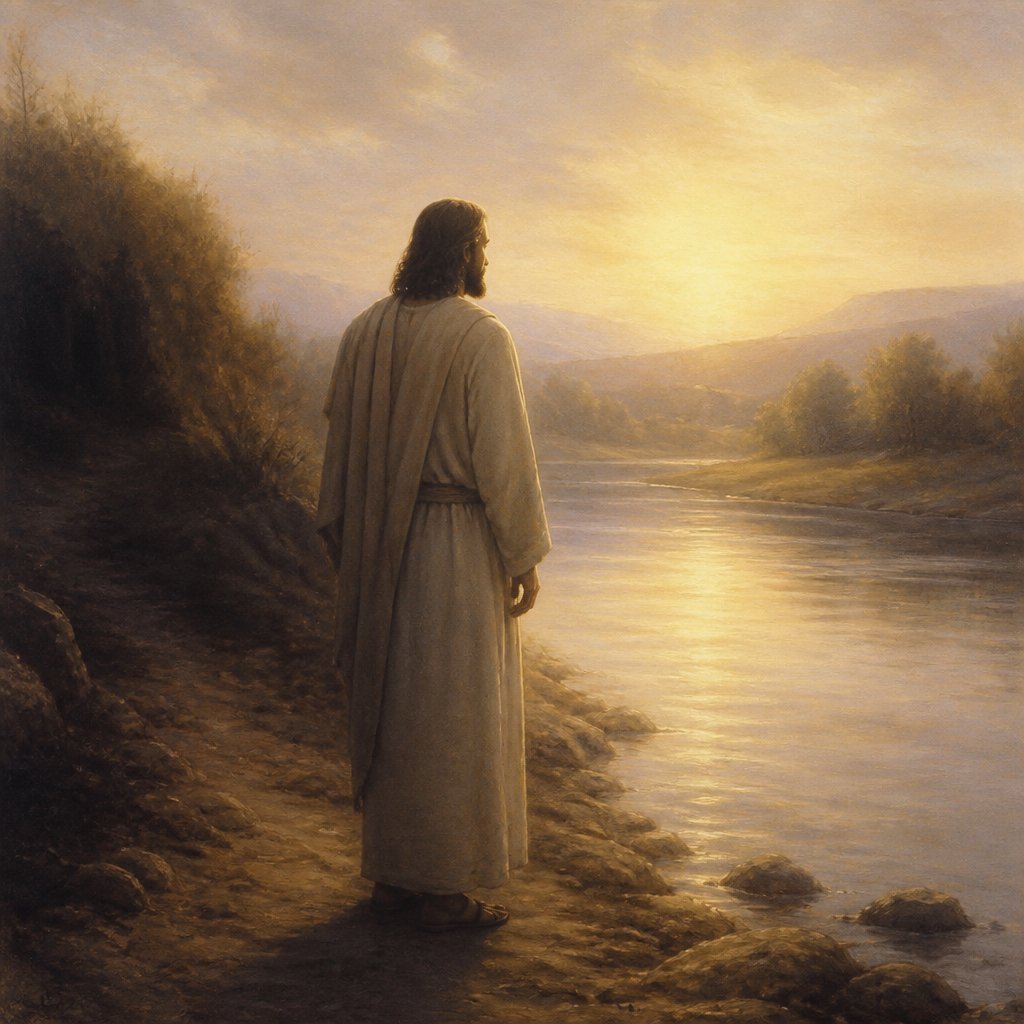
Romans 6:2 states, “God forbid. How shall we, that are dead to sin, live any longer therein?” This powerful verse encapsulates a fundamental truth of our faith: the transformative power of salvation through Jesus Christ. As believers, we are called to understand and embrace the reality of being ‘dead to sin’ and to live a life that reflects this truth.
The Apostle Paul writes to the Romans to address an issue that arises from the doctrine of grace. He anticipates a potential misinterpretation: if grace abounds where sin increases, should we not sin more to receive more grace? Paul vehemently rejects this idea, expressing a sharp response with “God forbid.” His strong rebuttal is not merely a statement; it is an urgent call to awareness and action. He challenges the Roman church (and us) to consider the implications of their baptismal identification with Christ.
When Paul asks, “How shall we, that are dead to sin, live any longer therein?” he is inviting us to reflect on our spiritual state. This rhetorical question is profound because it emphasizes the inherent conflict between being dead to sin and living in it. To be ‘dead to sin’ means our previous relationship with sin has been radically altered. Just as someone who has died cannot return to their former state of existence, we, too, are meant to sever our ties with sin. This new existence does not imply perfection, but rather a definitive shift in allegiance and purpose.
As Christians, being ‘dead to sin’ signifies that the power of sin has been broken in our lives. We are no longer slaves to sinful desires or behaviors. In Galatians 5:24, Paul corroborates this by stating, “And they that are Christ's have crucified the flesh with the affections and lusts.” This is not an automatic or effortless journey. It requires an active engagement in the spiritual disciplines, such as prayer, studying Scripture, and fellowship with other believers. We must consistently turn away from sin and instead pursue righteousness.
Living as those who are dead to sin calls for a daily surrender of our will to God and a conscious choice to reject sinful inclinations. In his teachings, Jesus outlines the importance of abiding in Him and bearing fruit, as seen in John 15:5. We cannot achieve victory over sin through our own strength; instead, it is through complete dependence on Christ, who empowers us to live out our new identity.
Moreover, Paul contrasts our new state with the reality of our past. In Romans 6:3, he reminds believers that through baptism, we are identified with Christ’s death and resurrection. This symbolic act of immersion represents not only the washing away of sin but also the beginning of a new life empowered by the Holy Spirit. Every time we recall our baptism, we should be reminded that we have undergone a significant transformation: we are no longer defined by our sins but by Christ’s righteousness.
Embracing our identity in Christ means acknowledging that the old self has been crucified, and we are now alive to God. Romans 6:11 encourages us: “Likewise reckon ye also yourselves to be dead indeed unto sin, but alive unto God through Jesus Christ our Lord.” To reckon ourselves as alive unto God is to live with purpose, intent on glorifying Him in all we do.
In conclusion, Romans 6:2 serves as a clarion call to examine our daily choices and assess where our allegiance lies. As those who are dead to sin, we are called to live in the newness of life that Christ provides. Let us respond to His grace not with a pursuit of sin, but with a fervent desire to reflect His holiness in every aspect of our lives. May we truly be identified as those who are alive unto God, walking in His truth, and shining His light into a world in desperate need of hope.
Get our apps


Artwork for Romans 6:2

Romans 6:2 - "God forbid. How shall we, that are dead to sin, live any longer therein?"

"God forbid. How shall we, that are dead to sin, live any longer therein?" - Romans 6:2

Romans 2:6 - "Who will render to every man according to his deeds:"
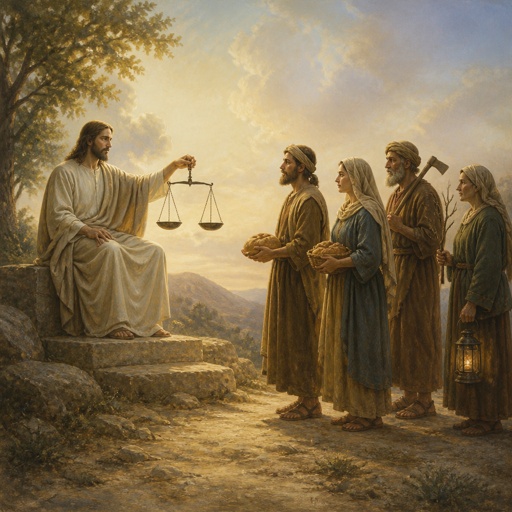
"Who will render to every man according to his deeds:" - Romans 2:6

Romans 6:23

Romans 8:6

Romans 6:23

Romans 2:6-7 - "God "will repay each person according to what they have done." To those who by persistence in doing good seek glory, honor and immortality, he will give eternal life."
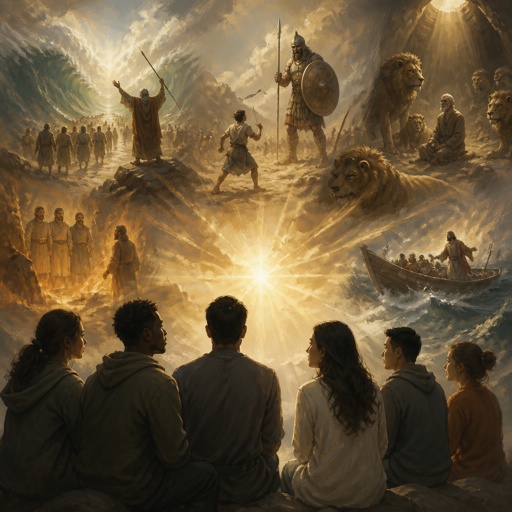
Romans 15:4-6

Romans 6:7 - "For he that is dead is freed from sin."

Romans 6:1-2 - "What shall we say, then? Shall we go on sinning so that grace may increase? By no means! We are those who have died to sin; how can we live in it any longer?"

Romans 12:2

Romans 12:2

Romans 12:2

Romans 12:2
Romans 12:2

Romans 12:2
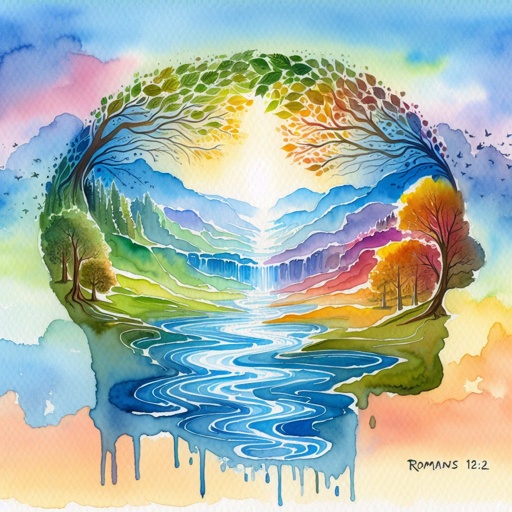
Romans 12:2

Romans 6:6 - "Knowing this, that our old man is crucified with him, that the body of sin might be destroyed, that henceforth we should not serve sin."

Romans 12:2

Romans 12:2

Romans 12:2

Romans 12:2

Romans 12:2

Romans 12:2

Romans 12:2

Romans 12:2

Romans 8:6 - "For to be carnally minded is death; but to be spiritually minded is life and peace."

Romans 16:6 - "Greet Mary, who bestowed much labour on us."

Romans 1:6 - "Among whom are ye also the called of Jesus Christ:"