The Battle Within: Understanding Our Nature and God’s Grace
“Now then it is no more I that do it, but sin that dwelleth in me.” — Romans 7:17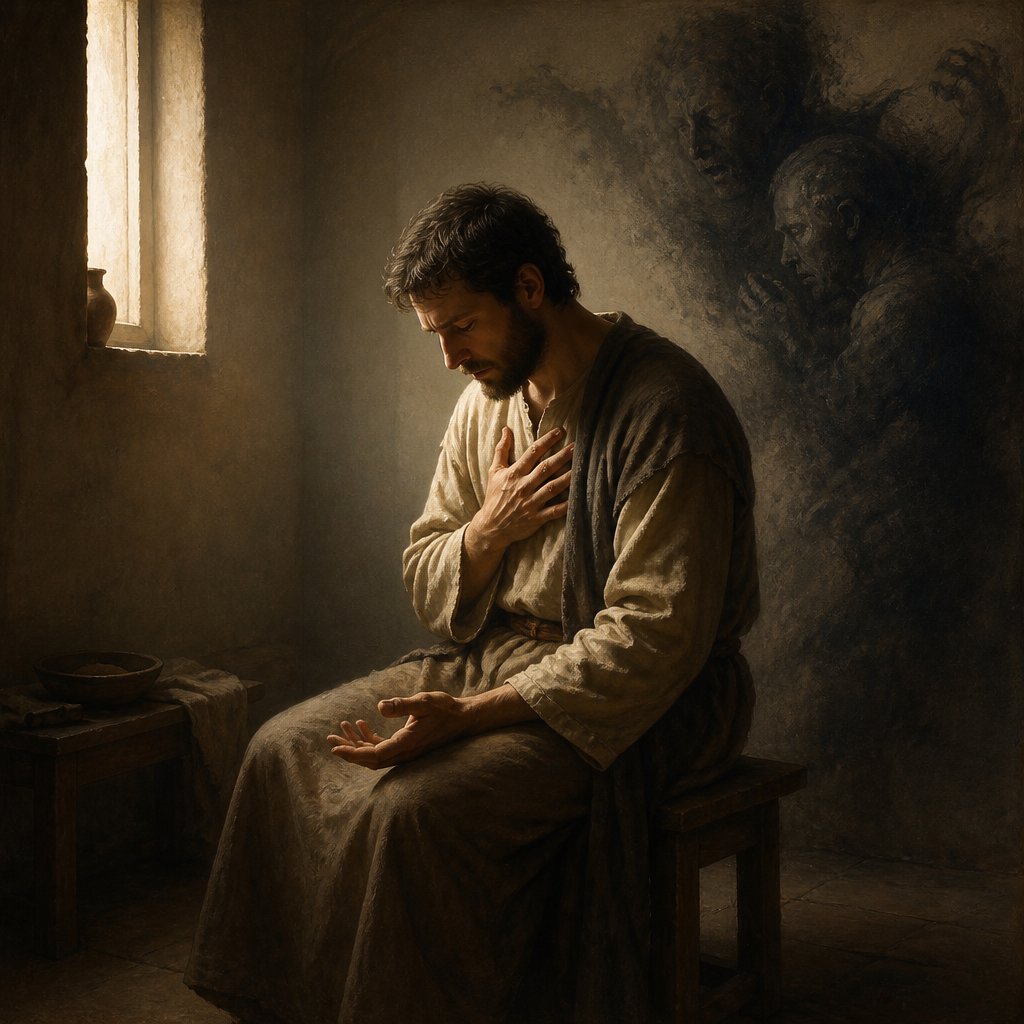
The struggle between good and evil is as old as humanity itself. Romans 7:17 reminds us of this existential fight, stating, "Now then it is no more I that do it, but sin that dwelleth in me." This poignant verse reveals the internal conflict we experience as followers of Christ, acknowledging the presence of sin that resides within us, even after we believe and accept the grace of God.
To understand Paul’s declaration in Romans, we must reflect on the context of his letter. The Apostle Paul, a fierce proponent of the Gospel and an extraordinary champion of the faith, lays bare the turmoil that often exists in a believer's heart. As he writes this epistle to the church in Rome, he confesses the paradox of the Christian experience—although we desire to live righteously, there is an opposing force within us that leads us toward sin.
This inner conflict, often referred to as the 'old nature' or 'the flesh,' manifests when we attempt to live a life pleasing to God through our own strength. Sin is characterized by disobedience and rebellion against God's commands, and when Paul speaks of sin dwelling in him, he personifies this struggle, illuminating the reality that it is not merely external temptations we face, but rather a deep-seated inclination to stray from God's integrity. Paul recognizes this cannot be solely addressed by willpower; it requires divine intervention through reliance on God’s grace.
As believers, we may experience shame and frustration similar to that of Paul. We often find ourselves saying or doing things that contradict our intentions and faith. Perhaps you have made promises to be more patient, to love unconditionally, or to set aside harmful habits. However, time and again, you may find failure knocking at your door. The reality of sin within us can lead to feelings of inadequacy or spiritual defeat. Yet, in Romans 7, Paul does not leave us without hope.
In our acknowledgment of sin's presence, we uncover a profound truth: it is in admitting our weakness that we become strong. The more we confront our sinful nature and realize that we cannot overcome it on our own, the more we recognize our need for Christ. Jesus came to fulfill the law and bear the weight of sin—fully aware of our inability to do so alone. This awareness allows us to rest in God’s love and grace, which empowers us to rise above our struggles.
Romans 7 serves as a mirror reflecting our inner struggles but also points us toward the ultimate solution found in Romans 8:1, "There is therefore now no condemnation to them which are in Christ Jesus, who walk not after the flesh, but after the Spirit." This powerful statement reassures us that despite our failures, we are not condemned; instead, we are called to walk in the Spirit. This spiritual walk allows us to tap into the grace bestowed upon us, enabling us to reflect Christ in our lives despite our shortcomings.
Understanding sin's grasp on us catalyzes a desire for transformation and deeper intimacy with God. Instead of becoming despondent over our sins, we are encouraged to cultivate a relationship with the Holy Spirit, who assists us in our battles. The Holy Spirit provides guidance, conviction, and empowerment, transforming our weaknesses into testimonials of God’s grace at work.
Each day presents us with the knowledge that although sin dwells within us, we are called to rise above, living as new creations in Christ (2 Corinthians 5:17). Embrace the reality of your struggle, but also rejoice in the hope that through Christ, you are more than a conqueror (Romans 8:37). In surrendering to Him, we find the strength to live in victory despite the presence of sin.
Get our apps


Artwork for Romans 7:17

Romans 7:17 - "Now then it is no more I that do it, but sin that dwelleth in me."
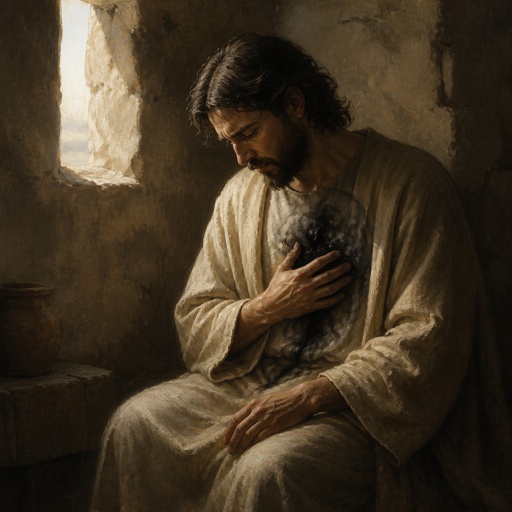
"Now then it is no more I that do it, but sin that dwelleth in me." - Romans 7:17
"Now then it is no more I that do it, but sin that dwelleth in me." - Romans 7:17

Romans 10:17

Romans 10:17

Romans 10:17

Romans 10:17

Romans 10:17

Romans 10:17

Romans 16:17

Romans 10:17

Romans 16:17

Romans 10:17

Romans 16:17
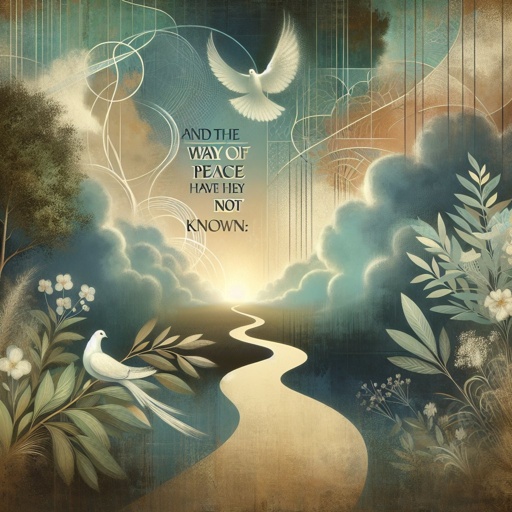
Romans 3:17 - "And the way of peace have they not known:"

Romans 7:19

Romans 7:12

Romans 10:17 - "So then faith cometh by hearing, and hearing by the word of God."

"And the way of peace have they not known:" - Romans 3:17

Romans 6:7 - "For he that is dead is freed from sin."

Romans 14:17 - "For the kingdom of God is not meat and drink; but righteousness, and peace, and joy in the Holy Ghost."

Romans 2:17 - "Behold, thou art called a Jew, and restest in the law, and makest thy boast of God,"

Romans 12:17 - "Recompense to no man evil for evil. Provide things honest in the sight of all men."

Romans 7:12 - "Wherefore the law is holy, and the commandment holy, and just, and good."

Romans 14:7 - "For none of us liveth to himself, and no man dieth to himself."

Romans 1:17 - "For therein is the righteousness of God revealed from faith to faith: as it is written, The just shall live by faith."

Romans 7:22 - "For I delight in the law of God after the inward man:"

Romans 7:10 - "And the commandment, which was ordained to life, I found to be unto death."

Romans 4:7 - "Saying, Blessed are they whose iniquities are forgiven, and whose sins are covered."

Romans 7:11 - "For sin, taking occasion by the commandment, deceived me, and by it slew me."