Subjected to Hope: Understanding Our Position in Creation
“For the creature was made subject to vanity, not willingly, but by reason of him who hath subjected the same in hope,” — Romans 8:20
Romans 8:20 states, "For the creature was made subject to vanity, not willingly, but by reason of him who hath subjected the same in hope." This powerful verse brings to our attention the condition of creation—a reality that resonates deeply with our human experience—and the profound hope we possess despite it.
At its core, Romans 8:20 speaks to the universal predicament of the created order. The phrase "the creature was made subject to vanity" reflects an acknowledgment that all creation is now marred by futility and decay. The term "vanity," in biblical context, draws from the Hebrew word "hevel," suggesting something transient, fleeting, or insubstantial. Creation, initially a testament to God's magnificent handiwork in Genesis, became subjected to this futility due to the fall of humankind into sin. This was not an arbitrary decision but a consequence stemming from Adam's choice to disobey God.
Paul the Apostle presents a profound truth here: we did not choose this condition; it was imposed upon us by the sinful nature that we inherited.
"Not willingly" implies that there was no culpability on the part of the creation itself—be it humanity, flora, or fauna. This humbling realization evokes empathy toward the suffering of our world. We often grapple with discontentment, pain, and loss, and Paul reminds us that these are not the end. The groans of creation, as described in the subsequent verses, are birth pains leading to redemption.
Yet the verse brings to light a crucial aspect: it speaks of a purpose behind this subjection—"but by reason of him who hath subjected the same in hope." Our sovereign God, despite allowing creation to fall into vanity, also embedded within that very subjection a beacon of hope. He remains at work, orchestrating a divine narrative that will one day eliminate the effects of sin and death. The hope anchored in this verse invites us to look beyond our immediate circumstances and trials.
It is here that we can draw parallels to our lives. Much like creation, we often feel the weight of vanity—our efforts seemingly fruitless, our plans thwarted, or our dreams dashed. But in our struggles, God's plan does not falter. We are encouraged to embrace the hope found in His promises. For believers, our future redemption, as promised in Romans 8, offers assurance and purpose amidst earthly trials. Like Joseph in the Old Testament, whose trials were great yet yielded incredible results, we can trust that God works for our good in all circumstances.
This hope is not mere wishful thinking; it is an anchor for our souls (Hebrews 6:19). It transforms our perspective on suffering and loss, inviting us to see them as part of a much larger tapestry woven by God's hand. As we wrestle with our realities, we can rest assured that while we live in a world subject to vanity, it is also a world that will be restored. Creation longs for liberation, and so do we. This hope of liberation sustains us, reminding us that we are not alone amid life’s vicissitudes.
As we meditate on Romans 8:20, let us find comfort in God's sovereign control and the profound hope He provides. We are called not only to endure but to thrive and engage with a world that is in desperate need of this hope. Consider this: what small acts of love, kindness, or justice can you extend today in light of the hope we possess? The promise embedded within our trials encourages us not only to wait but to work toward the ultimate restoration of all things.
In summary, Romans 8:20 teaches us that while we live in a creation subject to vanity, we also dwell in a world filled with hope—hope that points toward redemption and renewal. Let us cling to this hope, allowing it to shape our thoughts, actions, and prayers.
Get our apps


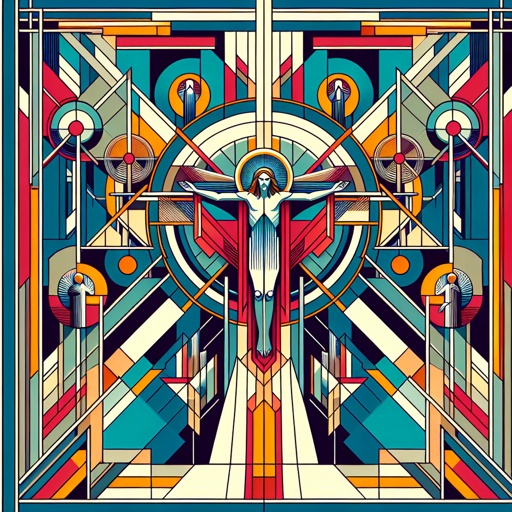
Artwork for Romans 8:20

Romans 8:20 - "For the creature was made subject to vanity, not willingly, but by reason of him who hath subjected the same in hope,"

"For the creature was made subject to vanity, not willingly, but by reason of him who hath subjected the same in hope," - Romans 8:20

Romans 8

romans 8

Romans 8:8 - "So then they that are in the flesh cannot please God."

Romans 8:18

Romans 8:31

Romans 8:28

Romans 8:19

Romans 13:8

Romans 8:28

Romans chapter 8

Romans 8:14

romans 8:38

Romans 5:8

Romans 8:35

Romans 5:8

Romans 8:28

Romans 13:8

Romans 5:8

Romans 8:6

Romans 8:16

Romans 8:28

Romans 8:19

Romans 8:31

Romans 8:1

Romans 8:29

Romans 8:31
Romans 8:28

Romans 8:11