Beauty Beyond Appearances: Embracing Our Inner Self
“I am black, but comely, O ye daughters of Jerusalem, as the tents of Kedar, as the curtains of Solomon.” — Song of Solomon 1:5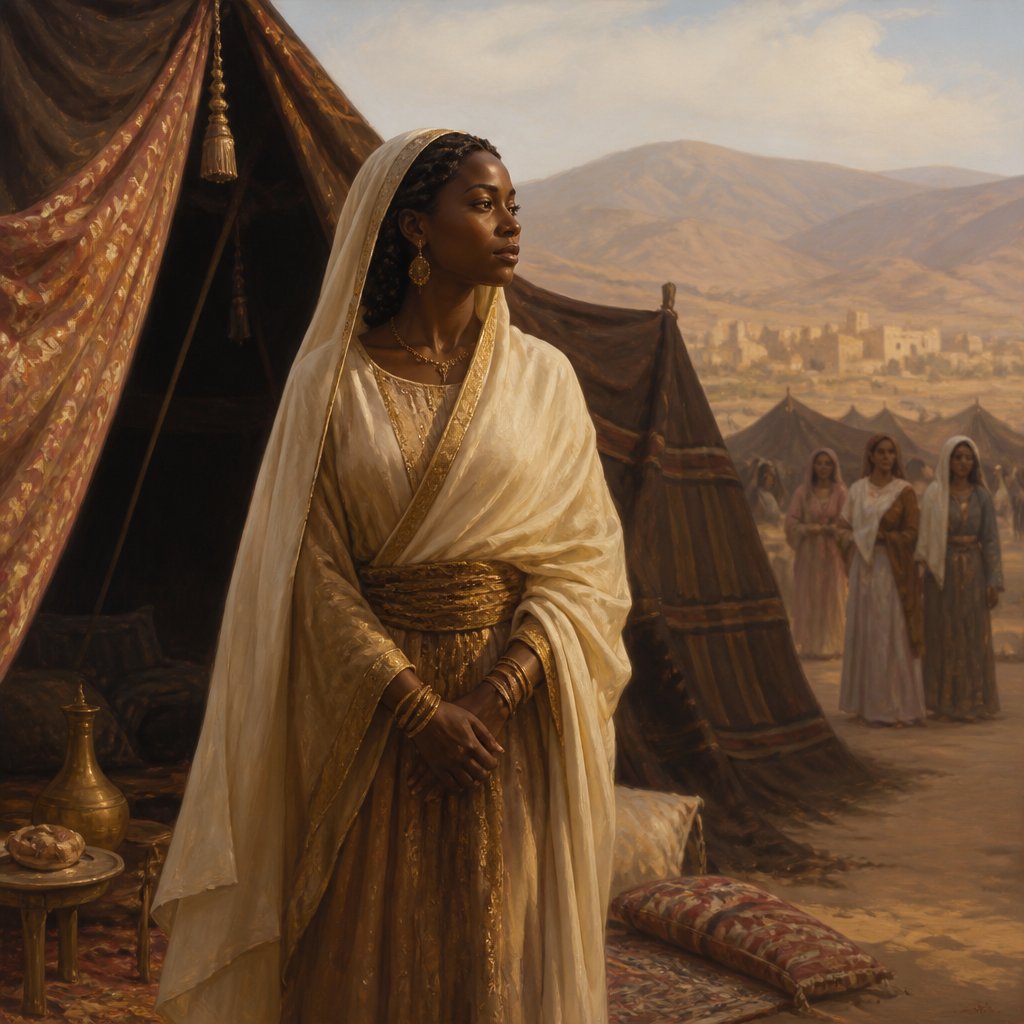
The Song of Solomon, revered for its profound poetic beauty, is often seen as a celebration of human love and desire, but it also serves as a reflection of deeper truths about identity, self-worth, and beauty. The verse we focus on today is a poignant declaration made by the Shulammite woman: "I am black, but comely, O ye daughters of Jerusalem, as the tents of Kedar, as the curtains of Solomon" (Song of Solomon 1:5, KJV). Here, she boldly identifies herself, navigating the complexities of beauty, identity, and societal perception.
The opening phrase, "I am black," can evoke a range of feelings, especially considering historical contexts where darker skin was unfairly stigmatized. It’s worth noting that in the ancient Near Eastern setting, being "black" may refer not just to skin color but could imply traits associated with laborers who toiled in the sun, such as the hard work of tending vineyards or shepherding. This brings forth an essential aspect of identity; she begins by acknowledging her labor, her struggles, and how they have affected her physical appearance. This moment of vulnerability stands in stark contrast to this internalized perspective of beauty imposed by societal ideals.
This admission of being "black" is not one of shame — rather, it is a powerful reclaiming of her identity that stands against the backdrop of societal expectations of beauty. The phrase "but comely" shifts the conversation; it powerfully professes that despite her external appearance, she possesses an inner beauty that transcends societal definitions. Her statement calls out to the daughters of Jerusalem — the witnesses — to recognize beauty that lies beneath the surface.
In our contemporary world, we are often bombarded with narrow definitions of beauty that can erode our self-esteem and value. Many people struggle with body image issues, feeling less than worthy because they do not conform to the idealized images presented in media. Like the Shulammite woman, we may feel the weight of these critiques deeply. However, her proclamation is a testament that external circumstances do not dictate our worth. The beauty she claims is enriched by her character, spirit, and experiences, qualities that make her truly comely in the eyes of God.
Next, she draws a vivid comparison to the "tents of Kedar" and "the curtains of Solomon." The tents of Kedar, known for their durability and deep color, represent a shelter of strength amidst harsh surroundings, embodying resilience and stability. Conversely, Solomon’s curtains, renowned for their beauty and intricate designs, symbolize splendor and finery. By likening herself to both, she shows us that beauty and strength can coexist. Here, we get a glimpse into a holistic understanding of beauty — one that is not merely superficial but deeply rooted in resilience, grace, and richness of spirit.
In this analogy, the Shulammite woman invites us to reflect on our own identities, encouraging us to embrace our uniqueness with confidence. The call is to see ourselves not through the lens of societal judgment but through the eyes of our Creator, who sees the depth and worth of our soul.
As we meditate on this verse, let it serve as a reminder that being "black" in whatever form it may take in our lives, whether in experience, background, or even struggle, does not define our beauty. Instead, we are called to embrace our complexities, our histories, and our stories as integral components of our identity. When we do, we step into a freedom that allows us to stand tall, proclaiming, like the Shulammite woman, that though we may face the complexities of appearance and identity, we are indeed comely, worthy, and beautiful in the sight of God.
Let us pray: Lord, help us to see ourselves as You see us. Let us find our identity and worth not in the opinions of others, but in Your unwavering love for us. May we boldly declare our beauty, embracing the uniqueness of who we are, and may we encourage those around us to do the same. Amen.
Get our apps


Artwork for Song of Solomon 1:5

Song of Solomon 1:5 - "I am black, but comely, O ye daughters of Jerusalem, as the tents of Kedar, as the curtains of Solomon."
"I am black, but comely, O ye daughters of Jerusalem, as the tents of Kedar, as the curtains of Solomon." - Song of Solomon 1:5

Songs of Solomon 1:2

Song of Solomon 1:4

Song of Solomon 5:11

Song of Solomon 1:4

Song of Solomon 1:1 - "The song of songs, which is Solomon's."
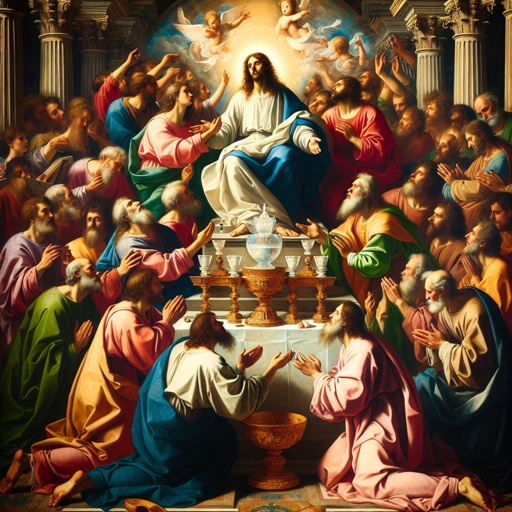
1 Songs of Solomon 1:1
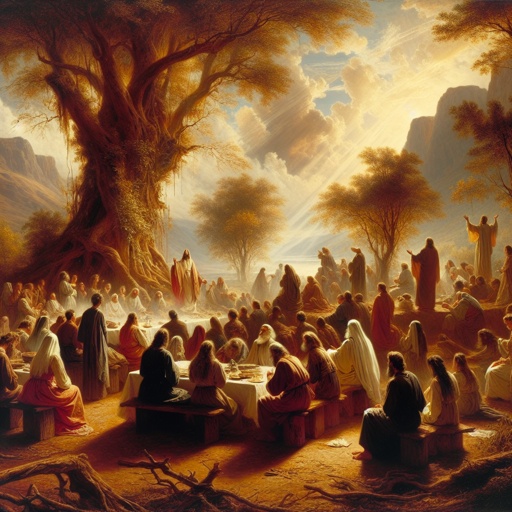
1 songs of Solomon 1:2
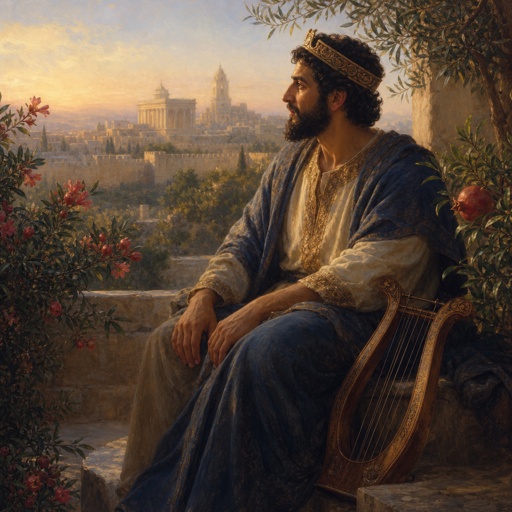
"The song of songs, which is Solomon's." - Song of Solomon 1:1

Song of Solomon 1:12 - "¶ While the king sitteth at his table, my spikenard sendeth forth the smell thereof."

Song of Solomon 1:11 - "We will make thee borders of gold with studs of silver."

Song of Solomon 1:15 - "Behold, thou art fair, my love; behold, thou art fair; thou hast doves' eyes."

Song of Solomon 1:9 - "I have compared thee, O my love, to a company of horses in Pharaoh's chariots."

Song of Solomon 1:17 - "The beams of our house are cedar, and our rafters of fir."

Song of Solomon 1:14 - "My beloved is unto me as a cluster of camphire in the vineyards of En-gedi."

Song of Solomon 1:16 - "Behold, thou art fair, my beloved, yea, pleasant: also our bed is green."

Song of Solomon 1:13 - "A bundle of myrrh is my wellbeloved unto me; he shall lie all night betwixt my breasts."

Song of Solomon 1:10 - "Thy cheeks are comely with rows of jewels, thy neck with chains of gold."

Song of Solomon 2:3

Song of Solomon 2:15

Song of Solomon 2:15

Song of Solomon 5:10 - "My beloved is white and ruddy, the chiefest among ten thousand."
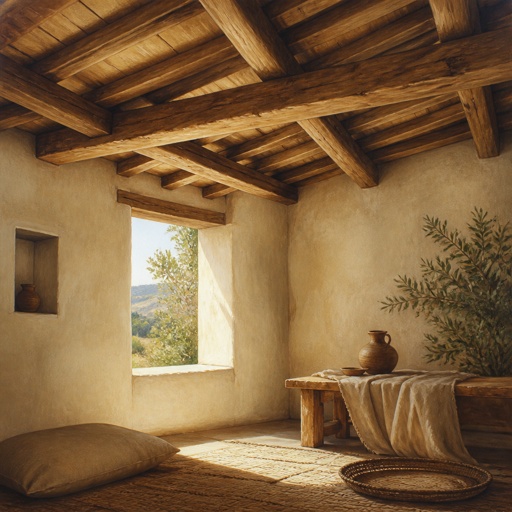
"The beams of our house are cedar, and our rafters of fir." - Song of Solomon 1:17

Song of Solomon 1:2 - "Let him kiss me with the kisses of his mouth: for thy love is better than wine."

Song of Solomon 1:3 - "Because of the savour of thy good ointments thy name is as ointment poured forth, therefore do the virgins love thee."

Song of Solomon 2:5 - "Stay me with flagons, comfort me with apples: for I am sick of love."

Song of Solomon 5:11 - "His head is as the most fine gold, his locks are bushy, and black as a raven."

Song of Solomon 5:12 - "His eyes are as the eyes of doves by the rivers of waters, washed with milk, and fitly set."
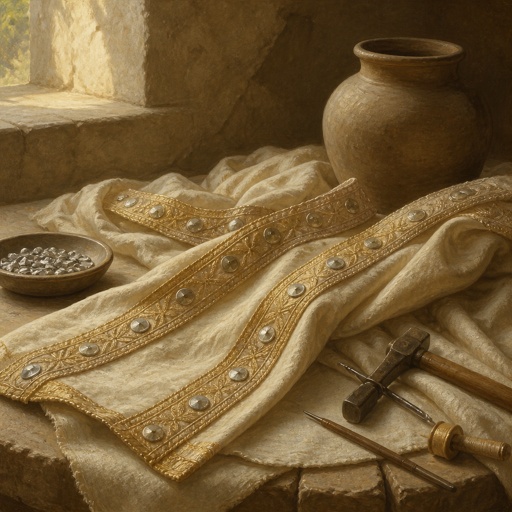
"We will make thee borders of gold with studs of silver." - Song of Solomon 1:11