In the Garden of His Presence
“I went down into the garden of nuts to see the fruits of the valley, and to see whether the vine flourished, and the pomegranates budded.” — Song of Solomon 6:11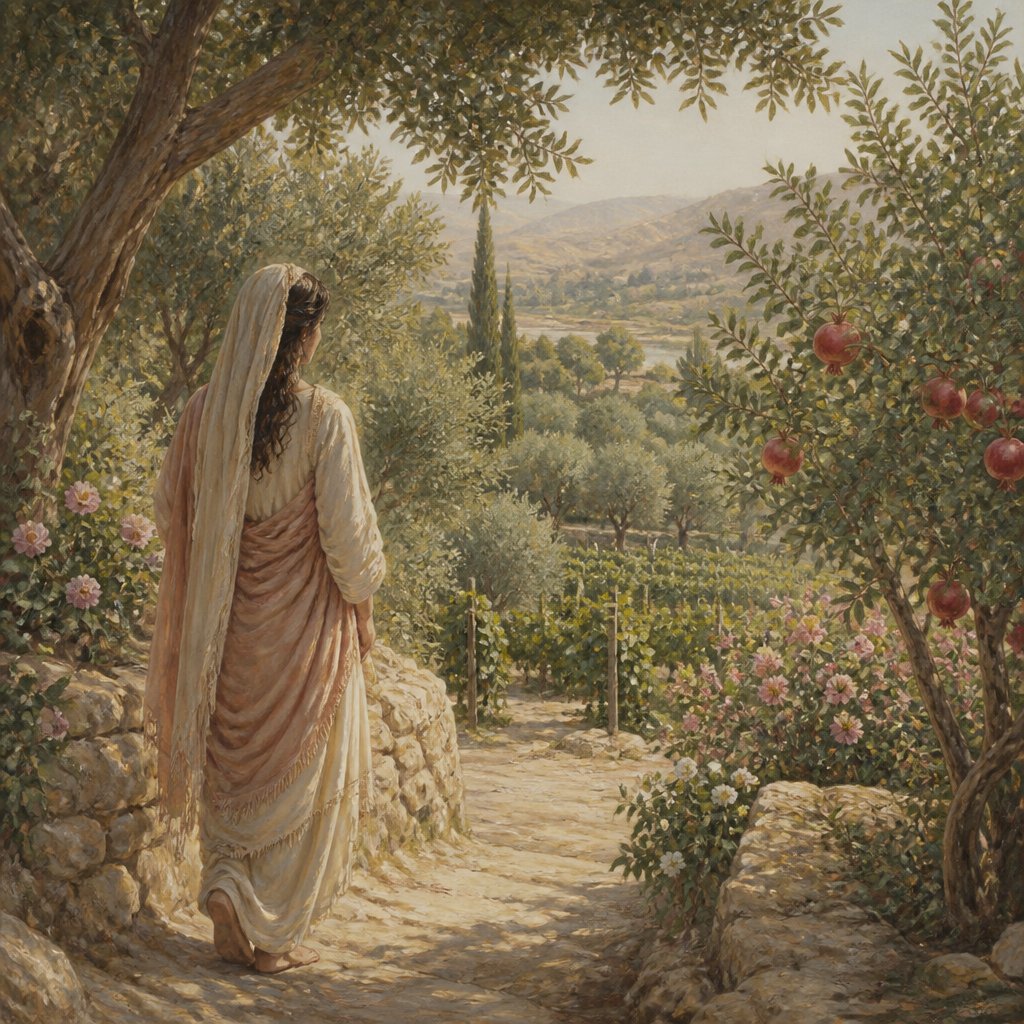
In the poetic and often mysterious texts of the Song of Solomon, we are drawn into an intimate dialogue between love's fervor and the beauty of God's creation. The verse from Song of Solomon 6:11 (KJV) reads: "I went down into the garden of nuts to see the fruits of the valley, and to see whether the vine flourished, and the pomegranates budded." This imagery is rich, evoking a landscape of lush growth and divine promise. It invites us to embark on a spiritual journey to explore the significance of this verse in our lives today.
The phrase "I went down into the garden of nuts" can be viewed as a metaphorical descent—a humbling act of stepping into a space of vulnerability and exploration. Gardens throughout the Bible represent places of cultivation and nourishment, where growth occurs amid natural beauty, which can also reflect our spiritual journeys. In our fast-paced lives filled with distractions, this verse beckons us to slow down, to descend from our lofty ambitions, and to engage in the quiet, reflective work of tending to our soul.
As we visualize entering this garden, we come face to face with our interest in the ripening fruits of our lives. "To see the fruits of the valley" prompts us to consider what fruits the valleys of our life are producing. Galatians 5:22-23 tells us about the fruits of the Spirit: love, joy, peace, longsuffering, gentleness, goodness, faith, meekness, and temperance. Are these fruits visible in our lives, or do we find ourselves in a barren place? Are we cultivating a garden that yields good fruit or allowing the weeds of worry, bitterness, and distraction to take root? This verse challenges us to inspect the state of our spiritual crops diligently.
Moreover, the phrases "the vine flourished" and "the pomegranates budded" signify not only vitality and growth but also potential. Vines, in Biblical imagery, symbolize God’s favor and blessings (John 15:5). They require pruning, nurturing, and time to flourish—a process that often mirrors our spiritual growth. Similarly, pomegranates, with their multitude of seeds and rich, nourishing juice, become symbols of abundance and fertility. With each bud that appears, we are reminded that God is always at work within us, bringing forth something new and beautiful from the depths of our hearts.
In contemplating these symbols, it is essential to recognize that growth can sometimes be accompanied by periods of barrenness or difficulty. Just as any gardener knows, there are seasons of waiting, tending, and sometimes even withering before the harvest is realized. In our spiritual lives, God often allows us to experience silence or apparent inactivity, but these times should not be seen as abandonment; rather, they are opportunities for deeper reliance on His perfect timing.
The act of going down into the garden is both an exploration and a challenge—the call to interact with the intricacies of our faith journey. It asks us to take stock of our lives, to observe and participate in the divine cultivation that God is performing within us. It invites us to engage with His Spirit, examine our hearts, and test the fruit we are producing, encouraging us to pluck the fruits of joy and peace—recognizing that these gifts come from Him.
In conclusion, as we reflect on Song of Solomon 6:11, let us commit to stepping into the gardens of our lives, actively participating in God's horticultural work within us. Let us ask ourselves: Are we seeking to nurture the seeds of righteousness? Are we allowing the conditions for our spiritual growth to flourish? May we remember that in every garden, through every season of growth or waiting, God's presence is with us, continually guiding us toward His purpose. Let us tend our gardens diligently and trust in the Lord’s abundant provision and promises.
Get our apps


Artwork for Song of Solomon 6:11

Song of Solomon 6:11 - "I went down into the garden of nuts to see the fruits of the valley, and to see whether the vine flourished, and the pomegranates budded."
"I went down into the garden of nuts to see the fruits of the valley, and to see whether the vine flourished, and the pomegranates budded." - Song of Solomon 6:11

Song of Solomon 6:8 - "There are threescore queens, and fourscore concubines, and virgins without number."

Song of Solomon 5:11

Song of Solomon 6:7 - "As a piece of a pomegranate are thy temples within thy locks."

Song of Solomon 6:12 - "Or ever I was aware, my soul made me like the chariots of Amminadib."

Song of Solomon 6:3 - "I am my beloved's, and my beloved is mine: he feedeth among the lilies."
!["Who [is] she [that] looketh forth as the morning, fair as the moon, clear as the sun, [and] terrible as [an army] with banners?" - Song of Solomon 6:10](https://media.bible.art/6b2ee690-5202-4c13-a4ad-2500f2f9b28c-thumbnail.jpg)
"Who [is] she [that] looketh forth as the morning, fair as the moon, clear as the sun, [and] terrible as [an army] with banners?" - Song of Solomon 6:10
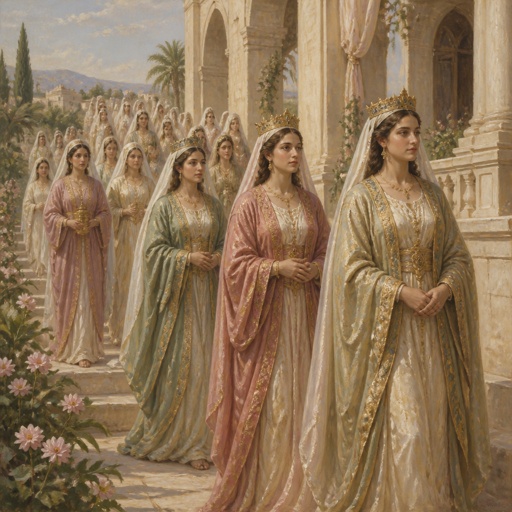
"There are threescore queens, and fourscore concubines, and virgins without number." - Song of Solomon 6:8

Song of Solomon 2:11 - "For, lo, the winter is past, the rain is over and gone;"

Song of Solomon 6:4 - "¶ Thou art beautiful, O my love, as Tirzah, comely as Jerusalem, terrible as an army with banners."

Song of Solomon 1:11 - "We will make thee borders of gold with studs of silver."
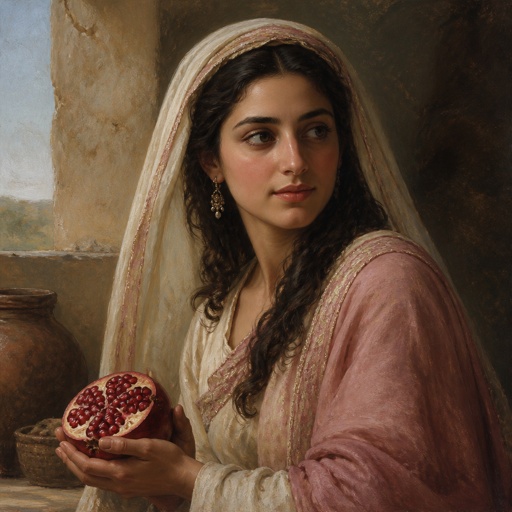
"As a piece of a pomegranate are thy temples within thy locks." - Song of Solomon 6:7

Song of Solomon 1:1 - "The song of songs, which is Solomon's."

Song of Solomon 6:5 - "Turn away thine eyes from me, for they have overcome me: thy hair is as a flock of goats that appear from Gilead."

Song of Solomon 7:6 - "How fair and how pleasant art thou, O love, for delights!"

Song of Solomon 6:10 - "¶ Who is she that looketh forth as the morning, fair as the moon, clear as the sun, and terrible as an army with banners?"

Song of Solomon 6:2 - "My beloved is gone down into his garden, to the beds of spices, to feed in the gardens, and to gather lilies."

Song of Solomon 5:11 - "His head is as the most fine gold, his locks are bushy, and black as a raven."

Song of Solomon 8:11 - "Solomon had a vineyard at Baal-hamon; he let out the vineyard unto keepers; every one for the fruit thereof was to bring a thousand pieces of silver."
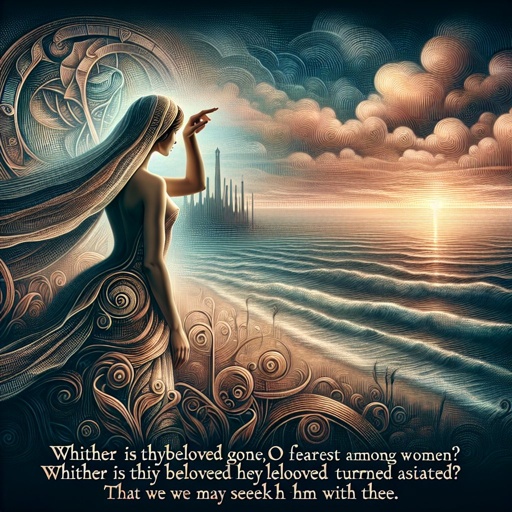
Song of Solomon 6:1 - "Whither is thy beloved gone, O thou fairest among women? whither is thy beloved turned aside? that we may seek him with thee."
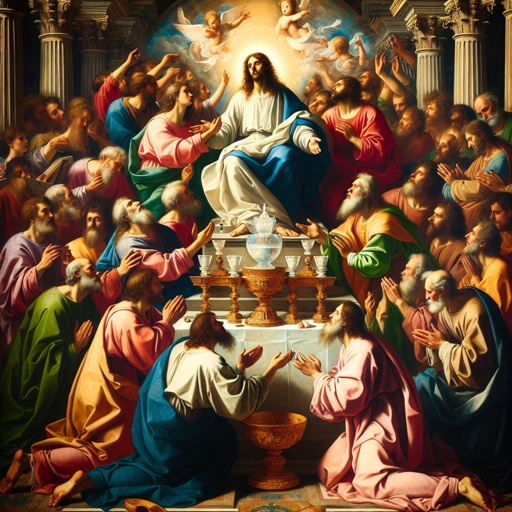
1 Songs of Solomon 1:1
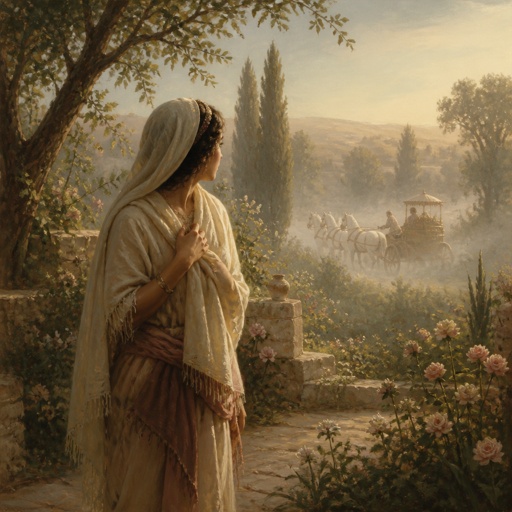
"Or ever I was aware, my soul made me like the chariots of Amminadib." - Song of Solomon 6:12

Song of Solomon 6:6 - "Thy teeth are as a flock of sheep which go up from the washing, whereof every one beareth twins, and there is not one barren among them."
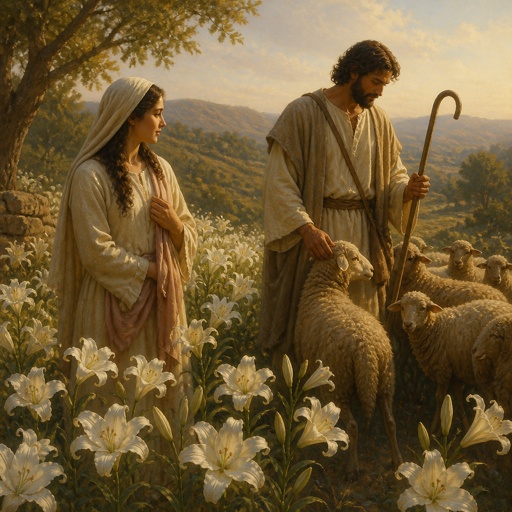
"I am my beloved's, and my beloved is mine: he feedeth among the lilies." - Song of Solomon 6:3

Song of Solomon 7:11 - "Come, my beloved, let us go forth into the field; let us lodge in the villages."
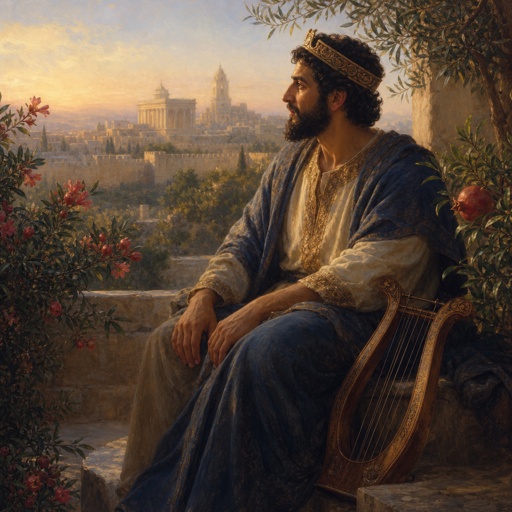
"The song of songs, which is Solomon's." - Song of Solomon 1:1

Song of Solomon 2:6 - "His left hand is under my head, and his right hand doth embrace me."

Song of Solomon 3:11 - "Go forth, O ye daughters of Zion, and behold king Solomon with the crown wherewith his mother crowned him in the day of his espousals, and in the day of the gladness of his heart."
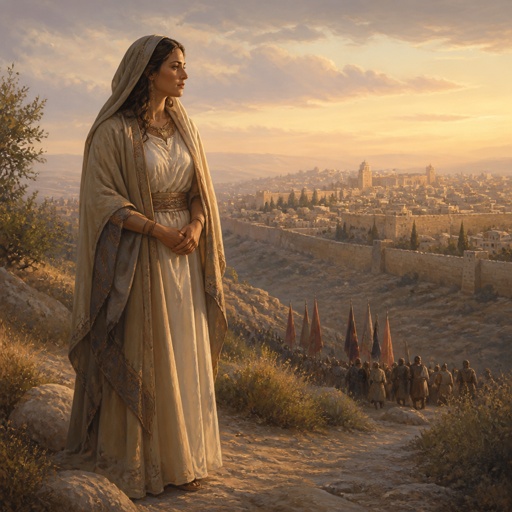
"¶ Thou art beautiful, O my love, as Tirzah, comely as Jerusalem, terrible as an army with banners." - Song of Solomon 6:4