The Beauty of Divine Favour: Reflections on Song of Solomon 6:6
“Thy teeth are as a flock of sheep which go up from the washing, whereof every one beareth twins, and there is not one barren among them.” — Song of Solomon 6:6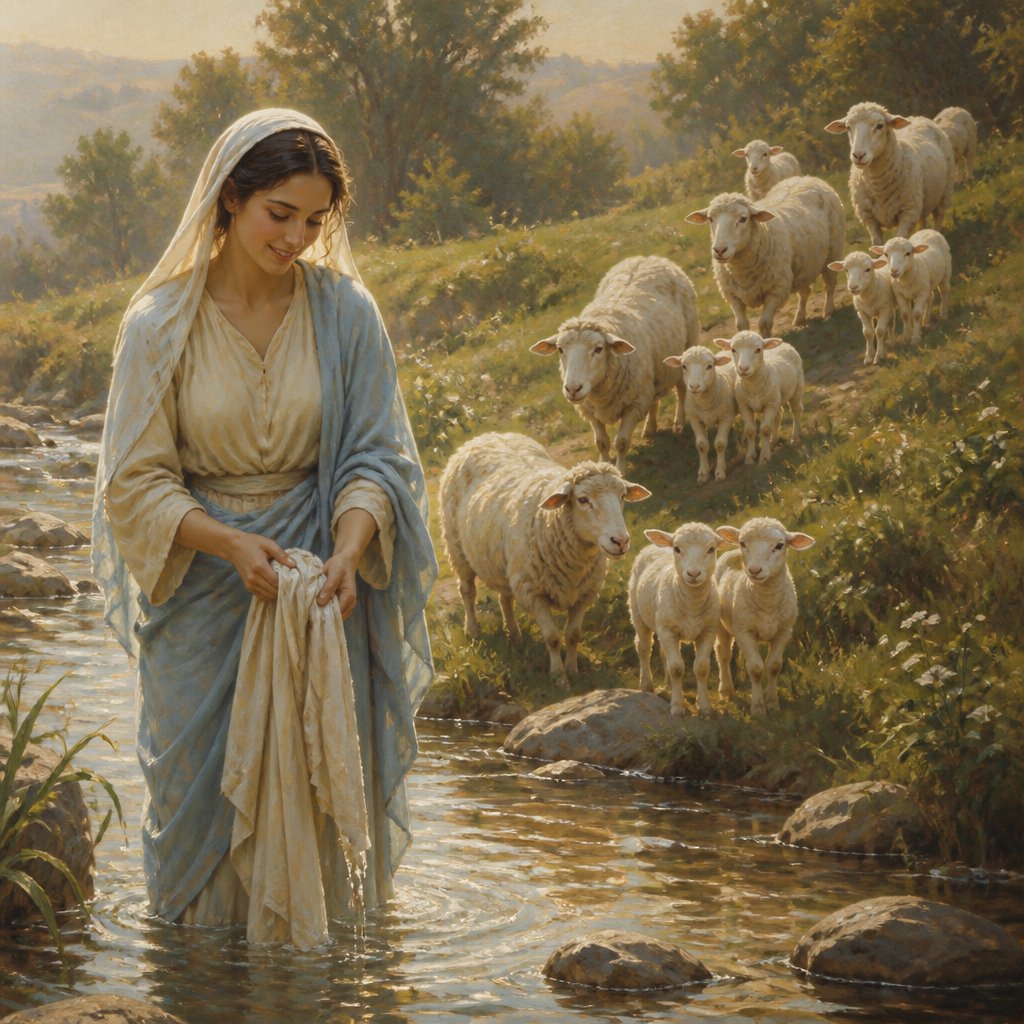
In the rich and poetic landscape of the Song of Solomon, we come across a verse that may initially seem merely descriptive, yet contains profound truths about beauty, grace, and divine favor. The verse in question is Song of Solomon 6:6, which reads, "Thy teeth are as a flock of sheep which go up from the washing, whereof every one beareth twins, and there is not one barren among them" (KJV).
This lyric paints a vivid picture. The comparison of a set of teeth to a flock of sheep emerging from washing speaks to purity, cleanliness, and abundance. In ancient agricultural societies, sheep held significant value, not only for their wool but also for food. Similarly, our teeth, essential for nourishment, reflect our health and vitality. Here, the image is one of delight and splendor, suggesting that the beloved’s beauty is enhanced by the pristine quality of her teeth.
**Symbolism of Sheep and Washing**
In the Bible, sheep often symbolize innocence and purity. When they come from washing, it denotes rejuvenation and freshness. In Isaiah 1:18, we read about the cleansing power of God: "Come now, and let us reason together, saith the LORD: though your sins be as scarlet, they shall be as white as snow; though they be red like crimson, they shall be as wool." This connection invites us to reflect on our own lives. Just as the sheep are cleansed and unstoppable in their growth, so we too stand before God cleansed from our sins, bearing the gifts of the Spirit.
**Bountiful Blessings**
The phrase "whereof every one beareth twins, and there is not one barren among them" speaks of abundance. Each sheep produces twins, symbolizing not only fertility but also the multiplication of blessings. In a world often riddled with feelings of insufficiency and scarcity, this verse encapsulates a divine promise. The beloved’s teeth reflect a reality of fullness—each aspect of her existence even down to the smallest detail is a testament to God’s goodness. For us, it is a challenge to recognize the blessings we possess.
Consider the everyday miracles—family, friendships, opportunities for growth, and even simple moments of joy. In fostering a grateful attitude, we mirror the rich blessings represented in this imagery.
**Grace in Our Imperfections**
It's important to note that the beauty described here extends beyond mere physical appearance. The Song of Solomon is a celebration of love, intimacy, and the divine design of relationships. Each sheep signifies an aspect of our journey through life; we may not be picture-perfect, but God sees past our flaws. In our imperfections, God’s grace shines brighter, contributing to the totality of who we are.
As we think of the beloved’s teeth, perhaps we can reflect on the ways we can embody that same beauty in our daily lives. How can we shine with the compassion and love of Christ? How can we share the fruit of the Spirit with those around us?
**Communal Joy**
Ultimately, the imagery of a flock encourages us to participate in the community of faith. Just as sheep travel and thrive together, we are called to walk alongside one another, sharing joys and burdens alike. We flourish when we build each other up, acknowledging the unique gifts each member brings.
In conclusion, Song of Solomon 6:6 invites us to gaze deeper than surface-level beauty and reflect on the abundance of grace that God favors us with. As we recognize our worth and the worth of those around us, let us strive to be vessels of love, just as the beloved reflects the fullness of divine beauty. Let us leave behind the restraints of self-doubt and embrace the truth that, through Jesus, we are seen, valued, and never barren in His presence.
Get our apps


Artwork for Song of Solomon 6:6

Song of Solomon 6:6 - "Thy teeth are as a flock of sheep which go up from the washing, whereof every one beareth twins, and there is not one barren among them."
"Thy teeth are as a flock of sheep which go up from the washing, whereof every one beareth twins, and there is not one barren among them." - Song of Solomon 6:6

Song of Solomon 6:8 - "There are threescore queens, and fourscore concubines, and virgins without number."

Song of Solomon 6:7 - "As a piece of a pomegranate are thy temples within thy locks."

Song of Solomon 7:6 - "How fair and how pleasant art thou, O love, for delights!"

Song of Solomon 6:12 - "Or ever I was aware, my soul made me like the chariots of Amminadib."
!["Who [is] she [that] looketh forth as the morning, fair as the moon, clear as the sun, [and] terrible as [an army] with banners?" - Song of Solomon 6:10](https://media.bible.art/6b2ee690-5202-4c13-a4ad-2500f2f9b28c-thumbnail.jpg)
"Who [is] she [that] looketh forth as the morning, fair as the moon, clear as the sun, [and] terrible as [an army] with banners?" - Song of Solomon 6:10

Song of Solomon 6:3 - "I am my beloved's, and my beloved is mine: he feedeth among the lilies."

Song of Solomon 2:6 - "His left hand is under my head, and his right hand doth embrace me."

Song of Solomon 6:10 - "¶ Who is she that looketh forth as the morning, fair as the moon, clear as the sun, and terrible as an army with banners?"

Song of Solomon 6:2 - "My beloved is gone down into his garden, to the beds of spices, to feed in the gardens, and to gather lilies."

Song of Solomon 6:4 - "¶ Thou art beautiful, O my love, as Tirzah, comely as Jerusalem, terrible as an army with banners."

Song of Solomon 4:6 - "Until the day break, and the shadows flee away, I will get me to the mountain of myrrh, and to the hill of frankincense."

Song of Solomon 3:6 - "¶ Who is this that cometh out of the wilderness like pillars of smoke, perfumed with myrrh and frankincense, with all powders of the merchant?"

Song of Solomon 6:11 - "I went down into the garden of nuts to see the fruits of the valley, and to see whether the vine flourished, and the pomegranates budded."
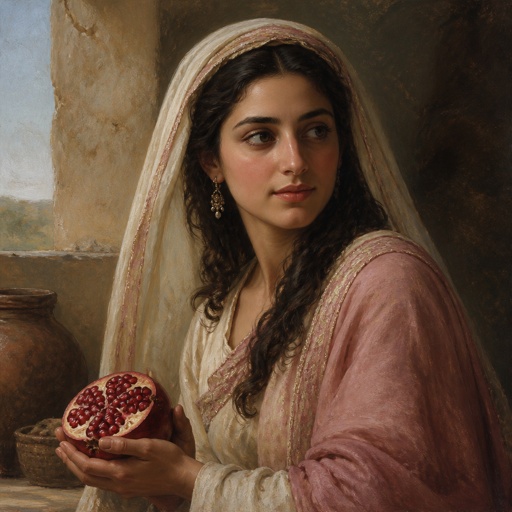
"As a piece of a pomegranate are thy temples within thy locks." - Song of Solomon 6:7
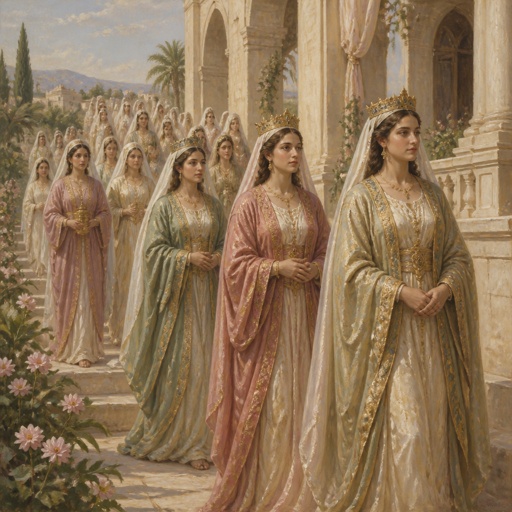
"There are threescore queens, and fourscore concubines, and virgins without number." - Song of Solomon 6:8

Song of Solomon 6:5 - "Turn away thine eyes from me, for they have overcome me: thy hair is as a flock of goats that appear from Gilead."
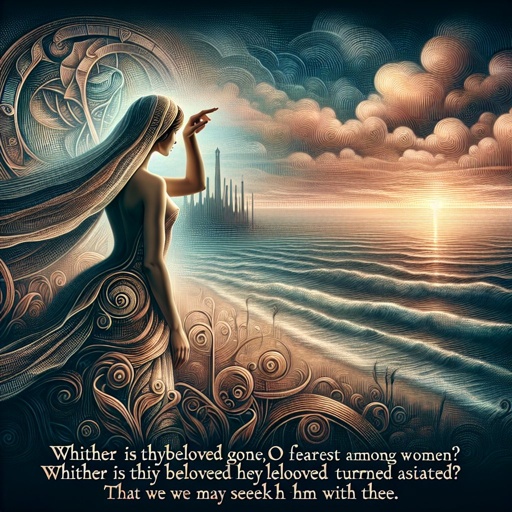
Song of Solomon 6:1 - "Whither is thy beloved gone, O thou fairest among women? whither is thy beloved turned aside? that we may seek him with thee."

Song of Solomon 6:13 - "Return, return, O Shulamite; return, return, that we may look upon thee. What will ye see in the Shulamite? As it were the company of two armies."
!["Who [is] she [that] looketh forth as the morning, fair as the moon, clear as the sun, [and] terrible as [an army] with banners?" - Song of Solomon 6:10](https://media.bible.art/296e9601-26dc-4dc4-802a-4369580aa0ce-thumbnail.jpg)
"Who [is] she [that] looketh forth as the morning, fair as the moon, clear as the sun, [and] terrible as [an army] with banners?" - Song of Solomon 6:10
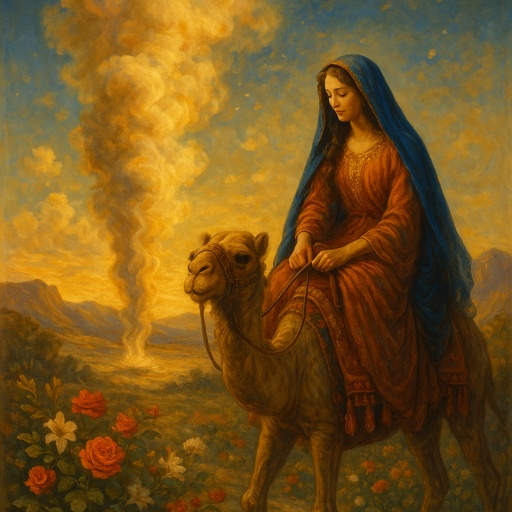
"Who is this that cometh out of the wilderness like pillars of smoke, perfumed with myrrh and frankincense, with all powders of the merchant?" - Song of Solomon 3:6

"Set me as a seal upon thine heart, as a seal upon thine arm: for love is strong as death; jealousy is cruel as the grave: the coals thereof are coals of fire, which hath a most vehement flame." - Song of Solomon 8:6
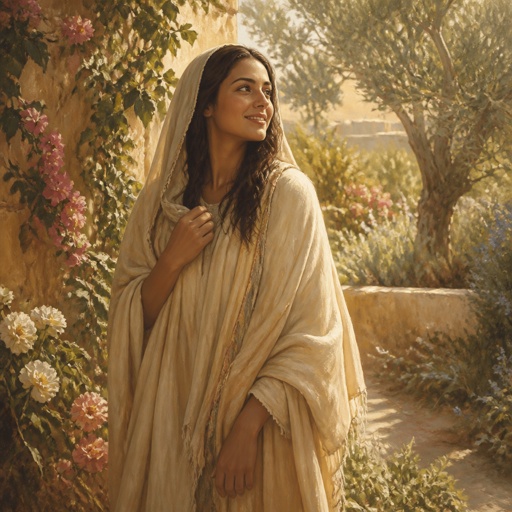
"How fair and how pleasant art thou, O love, for delights!" - Song of Solomon 7:6
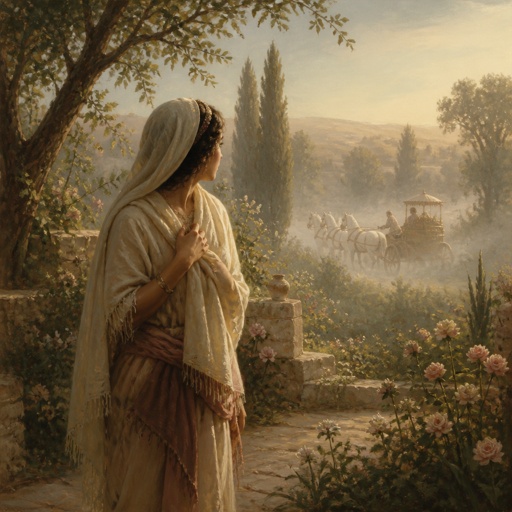
"Or ever I was aware, my soul made me like the chariots of Amminadib." - Song of Solomon 6:12
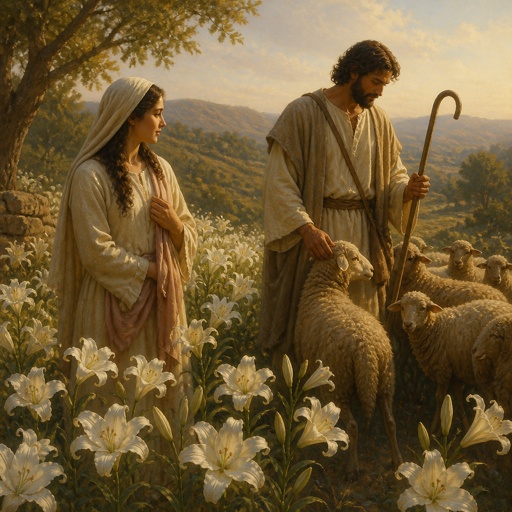
"I am my beloved's, and my beloved is mine: he feedeth among the lilies." - Song of Solomon 6:3

Song of Solomon 8:6 - "¶ Set me as a seal upon thine heart, as a seal upon thine arm: for love is strong as death; jealousy is cruel as the grave: the coals thereof are coals of fire, which hath a most vehement flame."

Song of Solomon 6:9 - "My dove, my undefiled is but one; she is the only one of her mother, she is the choice one of her that bare her. The daughters saw her, and blessed her; yea, the queens and the concubines, and they praised her."
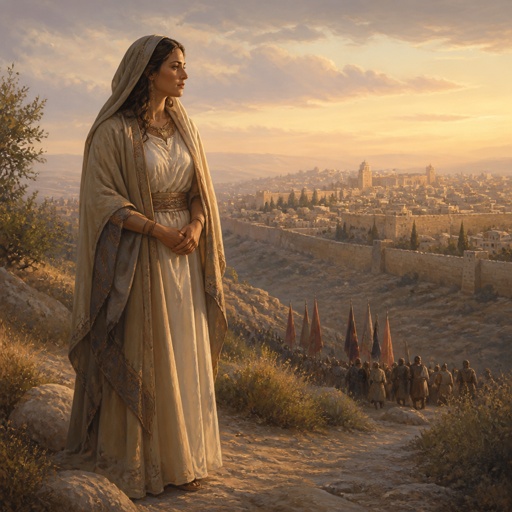
"¶ Thou art beautiful, O my love, as Tirzah, comely as Jerusalem, terrible as an army with banners." - Song of Solomon 6:4

"His left hand is under my head, and his right hand doth embrace me." - Song of Solomon 2:6