What does 1 Chronicles 1:41 mean?
“The sons of Anah; Dishon. And the sons of Dishon; Amram, and Eshban, and Ithran, and Cheran.” — 1 Chronicles 1:41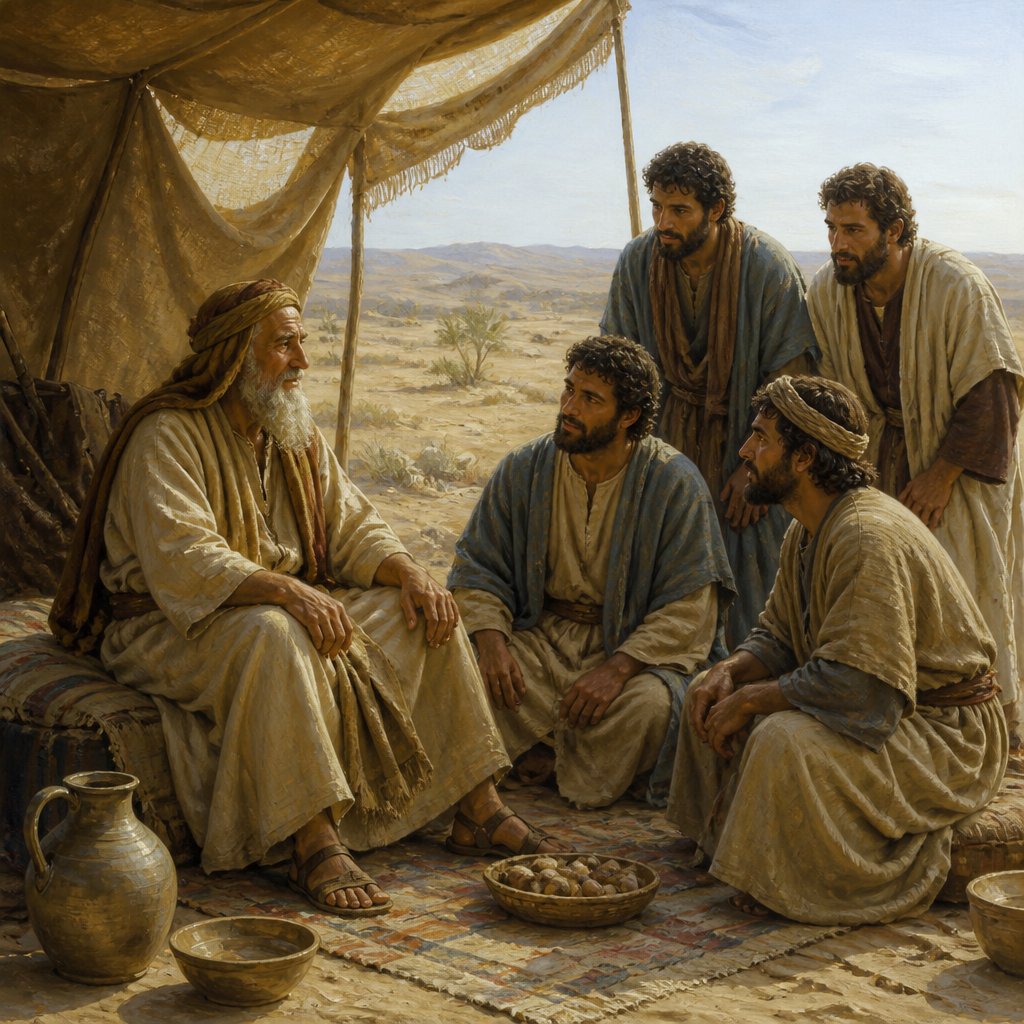
1 Chronicles 1:41 (KJV) reads:
"These are the sons of Esau, who is Edom, according to their families, after their places, by their names; duke Timnah, duke Alvah, duke Jetheth,"
This verse is part of a genealogical record found in the first chapter of the book of 1 Chronicles. The entire chapter is a list of the descendants of Adam, through Seth, Noah, and eventually to the line of Abraham and his descendants. The verse itself specifically focuses on the descendants of Esau, who is also known as Edom.
The book of 1 Chronicles is a historical and genealogical record of the people of Israel. It starts with Adam and ends with the exile to Babylon. The purpose of recording these genealogies was to establish the heritage of the Jewish people and to document God's faithfulness to His promises to Abraham, Isaac, and Jacob. It also served as a record for the future generations to know their lineage and the history of their nation.
In this particular verse, the focus is on the descendants of Esau, who was the twin brother of Jacob. Esau was also known as Edom, which means "red," and it is a reference to the red stew for which he traded his birthright (Genesis 25:30-34). Esau's descendants became known as the Edomites and they settled in the region of Mount Seir.
The mention of the "dukes," or leaders, of the different clans of Esau's descendants points to the organization and structure of their society. It also highlights the significance of leadership and lineage within their community. This genealogy provides a historical and cultural context for the Edomites, who had interactions and conflicts with the Israelites throughout the Old Testament.
Symbolically, the inclusion of this genealogy in the biblical narrative emphasizes the faithfulness of God in fulfilling His promises to both Abraham and Isaac. It serves as a reminder that God's plan for the nation of Israel has been unfolding throughout generations, and that even the descendants of Esau, who was not chosen as the heir of the Abrahamic covenant, were still important in God's sovereign plan.
Furthermore, the genealogy of Esau and his descendants also serves as a reminder of the importance of lineage and heritage in the Old Testament. The Israelites placed great significance on their genealogies as a way to maintain their tribal identity and inheritance rights. This verse underscores the importance of preserving and recording one's family history as a way to remember and honor the past.
In the larger context of the book of Chronicles, this genealogy serves as a foundation for the narrative that follows. It sets the stage for the history of the nation of Israel and the establishment of the monarchy under King David. It also reinforces the idea of God's sovereignty over the affairs of nations and His faithfulness in fulfilling His promises to His people.
Overall, 1 Chronicles 1:41 provides valuable historical, cultural, and symbolic insights into the biblical narrative. It reminds readers of the importance of lineage, heritage, and God's faithfulness to His covenant promises. It also sets the stage for the unfolding history of the nation of Israel and the coming of the Messiah, Jesus Christ.
Get our apps


Artwork for 1 Chronicles 1:41

1 Chronicles 1:41 - "The sons of Anah; Dishon. And the sons of Dishon; Amram, and Eshban, and Ithran, and Cheran."

"The sons of Anah; Dishon. And the sons of Dishon; Amram, and Eshban, and Ithran, and Cheran." - 1 Chronicles 1:41

1 Chronicles 11:41 - "Uriah the Hittite, Zabad the son of Ahlai,"

1 Chronicles 2:41 - "And Shallum begat Jekamiah, and Jekamiah begat Elishama."

1 Chronicles 6:41 - "The son of Ethni, the son of Zerah, the son of Adaiah,"

1 Chronicles 9:41 - "And the sons of Micah were, Pithon, and Melech, and Tahrea, and Ahaz."

"Uriah the Hittite, Zabad the son of Ahlai," - 1 Chronicles 11:41

"And Shallum begat Jekamiah, and Jekamiah begat Elishama." - 1 Chronicles 2:41

"The son of Ethni, the son of Zerah, the son of Adaiah," - 1 Chronicles 6:41

"And the sons of Micah were, Pithon, and Melech, and Tahrea, and Ahaz." - 1 Chronicles 9:41

1 Chronicles 16:41 - "And with them Heman and Jeduthun, and the rest that were chosen, who were expressed by name, to give thanks to the LORD, because his mercy endureth for ever;"

1 Chronicles 4:41 - "And these written by name came in the days of Hezekiah king of Judah, and smote their tents, and the habitations that were found there, and destroyed them utterly unto this day, and dwelt in their rooms: because there was pasture there for their flocks."

Isaiah 41

Acts 2:41

Isaiah 41:10

Numbers 3:41

Isaiah 41:10

Deuteronomy 32:41
Isaiah 41:10

1 Esdras 1:41 (KJVA) 41 Nabuchodonosor also took of the holy vessels of the Lord, and carried them away, and set them in his own temple at Babylon.

Acts 2:38-41

John 9:1-41

1 Esdras 1:41 (KJVA) 41 Nabuchodonosor also took of the holy vessels of the Lord, and carried them away, and set them in his own temple at Babylon.

1 Esdras 1:41 (KJVA) 41 Nabuchodonosor also took of the holy vessels of the Lord, and carried them away, and set them in his own temple at Babylon.

1 Chronicles 1:15

1 Chronicles 1:15

1 Chronicles 1:1 - "Adam, Sheth, Enosh,"

1 Chronicles 1:24 - "¶ Shem, Arphaxad, Shelah,"

1 Chronicles 1:3 - "Henoch, Methuselah, Lamech,"

1 Chronicles 1:2 - "Kenan, Mahalaleel, Jered,"