What does 1 Chronicles 2:11 mean?
“And Nahshon begat Salma, and Salma begat Boaz,” — 1 Chronicles 2:11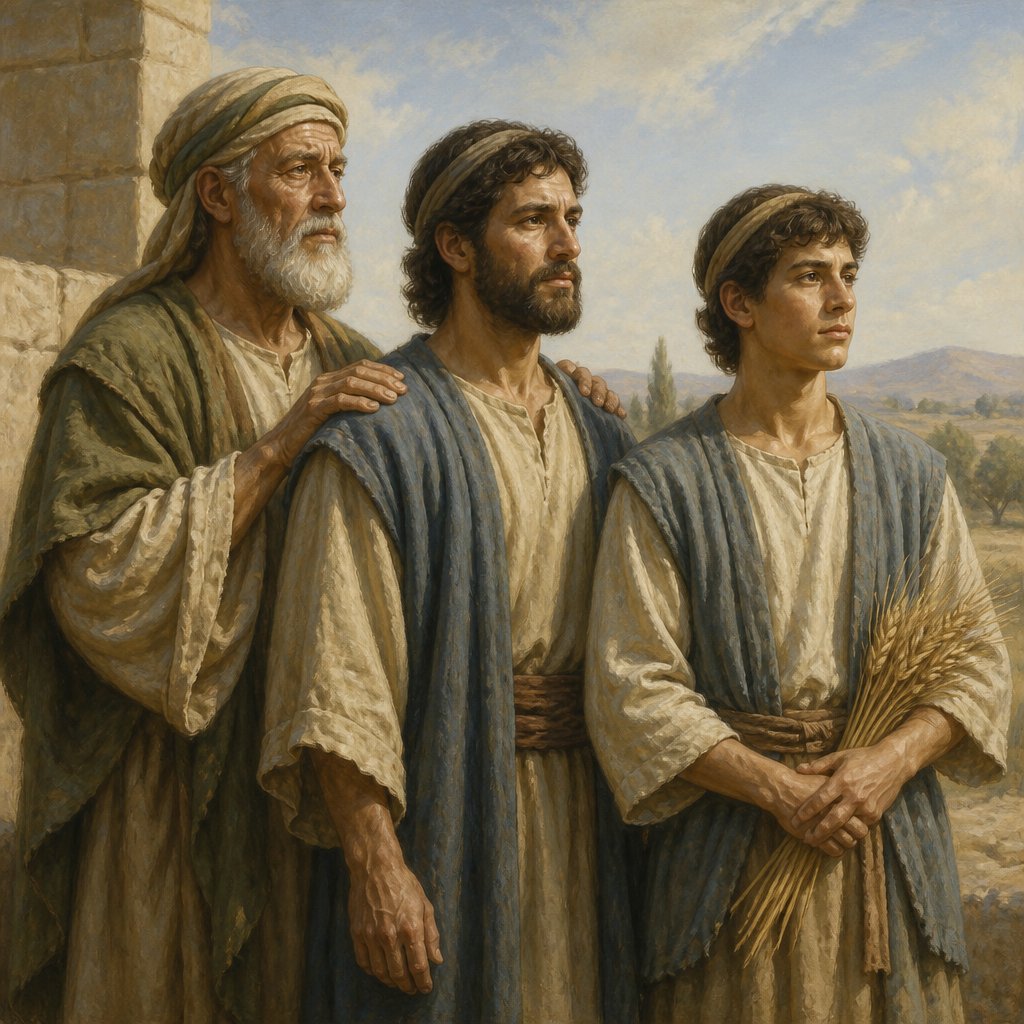
1 Chronicles 2:11 from the King James Version (KJV) reads, "And Nahshon begat Salma, and Salma begat Boaz."
This verse is a brief genealogy recorded in the book of 1 Chronicles, which is a historical record of the genealogy of the Israelite people. This particular verse is part of a longer passage that lists the descendants of Judah, one of the twelve sons of Jacob.
In order to understand the significance of this verse, it is important to consider the broader context in which it is situated. The book of 1 Chronicles is essentially a historical record that traces the genealogy of the Israelite people from Adam to the time of the Babylonian exile. It was written during a period when the Israelites were returning from exile and seeking to rebuild their community and reconnect with their roots.
The genealogy of Judah, to which Nahshon, Salma, and Boaz belong, is particularly significant as it is through that lineage that Jesus Christ, the Savior of the world, would later be born. This genealogy is also recorded in the Gospel of Matthew, where it is confirmed that Boaz was the father of Obed, who was the father of Jesse, who was the father of King David, and ultimately Jesus Christ. This connection is significant in demonstrating the fulfillment of Old Testament prophecies regarding the Messiah and establishing the royal lineage of Jesus.
The mention of Nahshon, Salma, and Boaz in this verse is significant for a number of reasons. Nahshon was a prominent figure in Israelite history, being the prince of the tribe of Judah and one of the leaders of the Israelites during their exodus from Egypt. Salma, also known as Salmon, is not as well-known in the biblical narrative, but is mentioned in the genealogy of Jesus in the Gospel of Matthew. Boaz is a central figure in the book of Ruth, where he plays a key role in the lineage of Christ.
The genealogy in 1 Chronicles serves to establish the authenticity and continuity of the Israelite people and to validate their claims to the land and the promises given to their ancestors. It serves as a reminder of God's faithfulness in preserving the line of Judah, through whom the Savior of the world would ultimately come.
In addition to its historical and genealogical significance, this verse also serves as a reminder of God's sovereignty and faithfulness. It demonstrates how God was working through the lives of these individuals to bring about His ultimate plan of redemption for humanity. This can be a source of encouragement and hope for believers, as it reassures them that God is actively involved in their lives and is working out His purposes, even in the midst of ordinary family histories.
The themes of lineage, inheritance, and redemption are central to this verse. It highlights the importance of ancestry and the ways in which God's plan unfolds through human history. It also foreshadows the ultimate redemption and salvation that would come through Jesus Christ, who would be a descendant of these individuals.
In conclusion, 1 Chronicles 2:11 may seem like a simple and unassuming verse in the grand narrative of the Bible, but it holds significant historical, genealogical, and theological import. It points to the faithfulness of God in preserving the lineage of Judah and ultimately bringing about the fulfillment of His promises through the birth of Jesus Christ. It serves as a reminder of God's sovereignty and His redemptive plan for humanity.
Get our apps


Artwork for 1 Chronicles 2:11

1 Chronicles 2:11 - "And Nahshon begat Salma, and Salma begat Boaz,"
"And Nahshon begat Salma, and Salma begat Boaz," - 1 Chronicles 2:11

2 Chronicles 11:20

2 Chronicles 35:11

2 Chronicles 11:2 - "But the word of the LORD came to Shemaiah the man of God, saying,"

2 Chronicles 11:9 - "And Adoraim, and Lachish, and Azekah,"

2 Chronicles 11:8 - "And Gath, and Mareshah, and Ziph,"

2 Chronicles 11:7 - "And Beth-zur, and Shoco, and Adullam,"

1 Chronicles 1:11 - "And Mizraim begat Ludim, and Anamim, and Lehabim, and Naphtuhim,"

2 Chronicles 11:11 - "And he fortified the strong holds, and put captains in them, and store of victual, and of oil and wine."

1 Chronicles 11:29 - "Sibbecai the Hushathite, Ilai the Ahohite,"

1 Chronicles 12:11 - "Attai the sixth, Eliel the seventh,"

1 Chronicles 11:40 - "Ira the Ithrite, Gareb the Ithrite,"

1 Chronicles 24:11 - "The ninth to Jeshua, the tenth to Shecaniah,"

1 Chronicles 11:27 - "Shammoth the Harorite, Helez the Pelonite,"

1 Chronicles 11:36 - "Hepher the Mecherathite, Ahijah the Pelonite,"

1 Chronicles 11:47 - "Eliel, and Obed, and Jasiel the Mesobaite."

1 Chronicles 11:33 - "Azmaveth the Baharumite, Eliahba the Shaalbonite,"

1 Chronicles 8:11 - "And of Hushim he begat Abitub, and Elpaal."

1 Chronicles 11:43 - "Hanan the son of Maachah, and Joshaphat the Mithnite,"

2 Chronicles 11:19 - "Which bare him children; Jeush, and Shamariah, and Zaham."

2 Chronicles 11:5 - "¶ And Rehoboam dwelt in Jerusalem, and built cities for defence in Judah."

1 Chronicles 11:32 - "Hurai of the brooks of Gaash, Abiel the Arbathite,"

1 Chronicles 11:41 - "Uriah the Hittite, Zabad the son of Ahlai,"

1 Chronicles 11:37 - "Hezro the Carmelite, Naarai the son of Ezbai,"

2 Chronicles 11:6 - "He built even Beth-lehem, and Etam, and Tekoa,"

1 Chronicles 6:11 - "And Azariah begat Amariah, and Amariah begat Ahitub,"

1 Chronicles 11:30 - "Maharai the Netophathite, Heled the son of Baanah the Netophathite,"

1 Chronicles 11:38 - "Joel the brother of Nathan, Mibhar the son of Haggeri,"

1 Chronicles 11:28 - "Ira the son of Ikkesh the Tekoite, Abiezer the Antothite,"