What does 1 Chronicles 2:49 mean?
“She bare also Shaaph the father of Madmannah, Sheva the father of Machbenah, and the father of Gibea: and the daughter of Caleb was Achsah.” — 1 Chronicles 2:49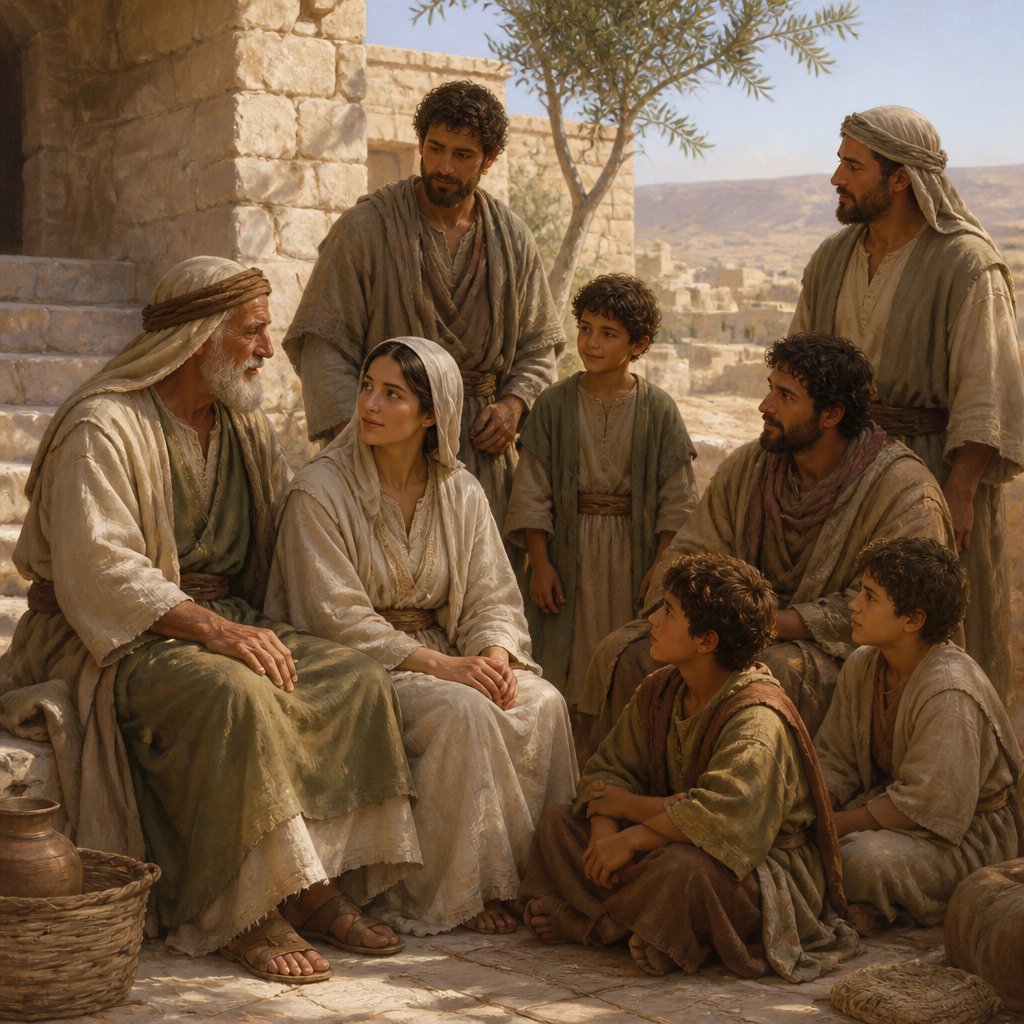
1 Chronicles 2:49 (KJV) - "She bare also Shaaph the father of Madmannah, Sheva the father of Machbenah, and the father of Gibea: and the daughter of Caleb was Achsa."
To fully understand the meaning and commentary of 1 Chronicles 2:49, it is important to first consider the verses leading up to it. The Book of 1 Chronicles is a historical account of the genealogy of the Israelites, specifically focusing on the descendants of Judah. In this chapter, the lineage of Judah's descendants is listed, including their wives and children. The verse in question is part of a larger passage that details the descendants of Caleb, a prominent figure in the Old Testament.
The verse begins by mentioning a woman who bore three sons: Shaaph, Sheva, and Caleb's daughter Achsa. The focus then turns to Achsa, who is mentioned as the daughter of Caleb. This is significant because it provides insight into the lineage of Caleb and his descendants. It also highlights the importance of women in the genealogy and history of the Israelites, as they played a crucial role in the continuation of the family line.
One theme that can be derived from this verse is the faithfulness and sovereignty of God in fulfilling His promises. Throughout the Old Testament, God made various promises to the Israelites, including the inheritance of the Promised Land and the establishment of a great nation through their descendants. The genealogy of the Israelites, as recorded in 1 Chronicles, serves as a reminder of God's faithfulness in fulfilling these promises, despite the various challenges and obstacles faced by the people.
Another theme that emerges from this verse is the importance of familial lineage and inheritance. In ancient Israelite society, the passing down of family names and property was of utmost significance. The mention of the descendants of Caleb and their respective roles in the family lineage underscores the importance of preserving and honoring one's ancestral heritage.
Furthermore, the mention of Achsa in this verse serves as a symbol of strength, perseverance, and resilience. In a patriarchal society, the mention of a woman in the genealogy is noteworthy, as it highlights the significant role that women played in the preservation and continuation of the family line. Achsa's inclusion in the genealogy of Caleb signifies her importance and contribution to the legacy of her family.
In a broader context, this verse also emphasizes the interconnectedness of all the tribes and families within the nation of Israel. The genealogical records served as a means of establishing and maintaining the identity and unity of the Israelite people. By tracing their lineage back to their forefathers, the Israelites were able to maintain a sense of community and shared history, despite being comprised of various tribes and clans.
In conclusion, 1 Chronicles 2:49 provides valuable insight into the genealogy of the Israelites, highlighting the faithfulness of God in fulfilling His promises, the importance of family lineage and inheritance, the significant role of women in preserving the family line, and the interconnectedness of the various tribes and families within the nation of Israel. This verse serves as a testament to the rich historical and cultural heritage of the Israelite people and the faithfulness of God throughout their history.
Get our apps


Artwork for 1 Chronicles 2:49
1 Chronicles 2:49 - "She bare also Shaaph the father of Madmannah, Sheva the father of Machbenah, and the father of Gibea: and the daughter of Caleb was Achsa."
"She bare also Shaaph the father of Madmannah, Sheva the father of Machbenah, and the father of Gibea: and the daughter of Caleb was Achsa." - 1 Chronicles 2:49
1 Chronicles 1:49 - "And when Shaul was dead, Baal-hanan the son of Achbor reigned in his stead."
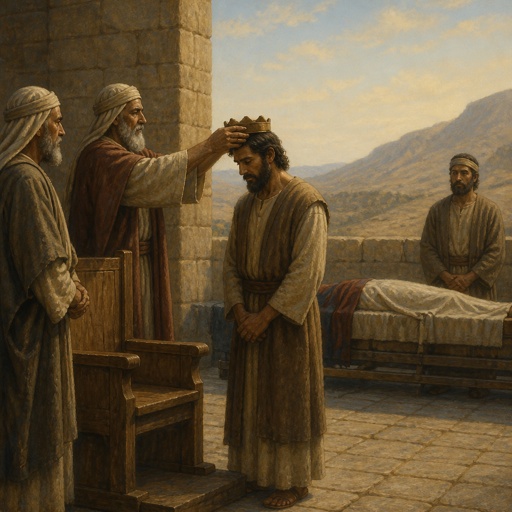
"And when Shaul was dead, Baal-hanan the son of Achbor reigned in his stead." - 1 Chronicles 1:49

1 Chronicles 24:9 - "The fifth to Malchijah, the sixth to Mijamin,"
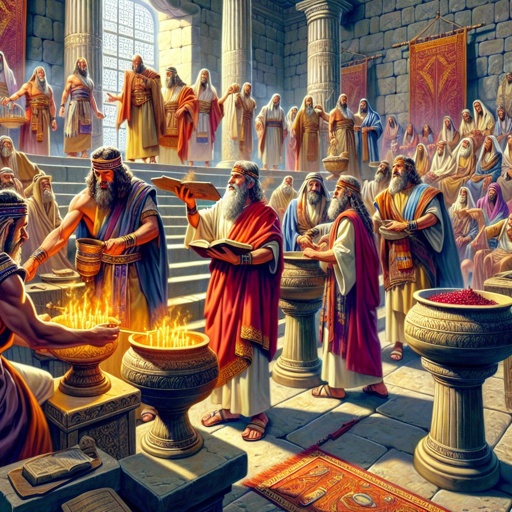
1 Chronicles 6:49 - "¶ But Aaron and his sons offered upon the altar of the burnt offering, and on the altar of incense, and were appointed for all the work of the place most holy, and to make an atonement for Israel, according to all that Moses the servant of God had commanded."

1 Chronicles 2:48 - "Maachah, Caleb's concubine, bare Sheber, and Tirhanah."
Psalm 49

1 Chronicles 2:8 - "And the sons of Ethan; Azariah."

1 Chronicles 2:38 - "And Obed begat Jehu, and Jehu begat Azariah,"

1 Chronicles 2:41 - "And Shallum begat Jekamiah, and Jekamiah begat Elishama."

1 Chronicles 2:36 - "And Attai begat Nathan, and Nathan begat Zabad,"

1 Chronicles 2:11 - "And Nahshon begat Salma, and Salma begat Boaz,"

1 Chronicles 2:39 - "And Azariah begat Helez, and Helez begat Eleasah,"

1 Chronicles 2:15 - "Ozem the sixth, David the seventh:"

1 Chronicles 2:14 - "Nethaneel the fourth, Raddai the fifth,"

"The fifth to Malchijah, the sixth to Mijamin," - 1 Chronicles 24:9

1 Chronicles 2:5 - "The sons of Pharez; Hezron, and Hamul."

1 Chronicles 1:2 - "Kenan, Mahalaleel, Jered,"

Genesis 49:9

Jeremiah 3:49

Luk 2:46-49

1 Chronicles 2:2 - "Dan, Joseph, and Benjamin, Naphtali, Gad, and Asher."

1 Chronicles 2:20 - "And Hur begat Uri, and Uri begat Bezaleel."

1 Chronicles 2:40 - "And Eleasah begat Sisamai, and Sisamai begat Shallum,"

1 Chronicles 2:37 - "And Zabad begat Ephlal, and Ephlal begat Obed,"

1 Chronicles 2:12 - "And Boaz begat Obed, and Obed begat Jesse,"

"And the sons of Ethan; Azariah." - 1 Chronicles 2:8

"Nethaneel the fourth, Raddai the fifth," - 1 Chronicles 2:14

1 Samuel 17:49