What does 1 Chronicles 2:50 mean?
“These were the sons of Caleb the son of Hur, the firstborn of Ephratah; Shobal the father of Kirjath-jearim,” — 1 Chronicles 2:50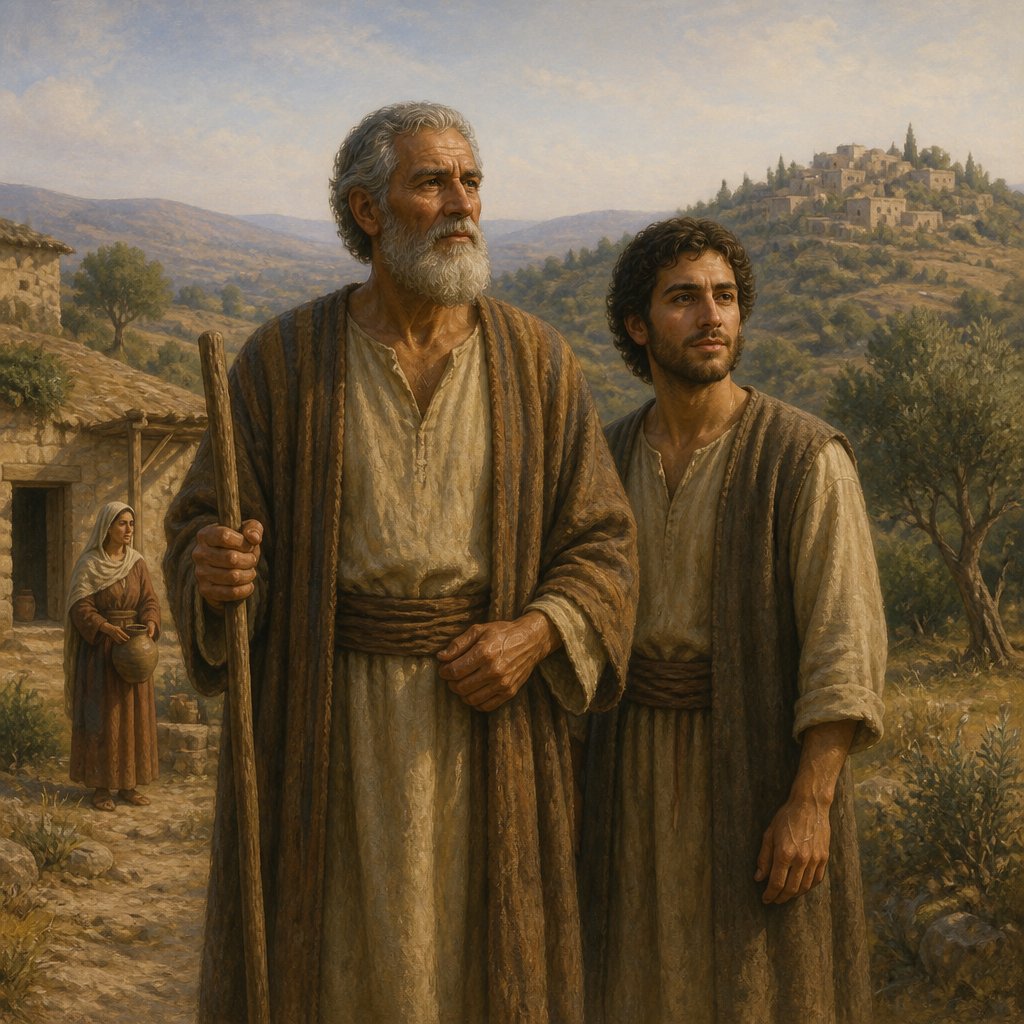
The Bible verse 1 Chronicles 2:50, as quoted in the King James Version, reads: "These were the sons of Caleb, the son of Hur, the firstborn of Ephratah; Shobal the father of Kirjathjearim,".
1 Chronicles is a book in the Old Testament of the Bible, and it is a historical account of the genealogy of Israel, focusing specifically on the lineage of David. This verse is part of a long list of names and genealogies that trace the descendants of Caleb, who was a prominent figure in Israelite history.
To understand the full meaning of this verse, it's important to consider its context within the larger narrative of 1 Chronicles. The genealogy of Caleb is significant because it connects him to the tribe of Judah, which played a pivotal role in the establishment of the Davidic monarchy. Caleb was a leader and warrior from the tribe of Judah, and his descendants were prominent figures in the history of Israel.
The verse also mentions Hur, who is identified as the father of Caleb. This is significant because it establishes Caleb's lineage and his connection to the broader history of the Israelites. The mention of Ephratah is also noteworthy, as it refers to a region in the territory of Judah, further emphasizing Caleb's connection to this prominent tribe.
In terms of themes, this verse reinforces the importance of lineage and heritage in the biblical narrative. Throughout the Bible, genealogies are used to establish legitimacy, inheritance, and authority. The genealogy of Caleb serves to connect him to the broader history of the Israelites and to establish his place within the tribe of Judah.
Furthermore, this verse highlights the idea of God's faithfulness to his people. In the larger context of the Old Testament, the genealogies serve to demonstrate God's ongoing covenant with the people of Israel. By tracing the descendants of Caleb, the narrative reaffirms the continuity of God's promises and the fulfillment of his plans for the nation of Israel.
Symbolically, the mention of Caleb and his lineage can also be seen as a representation of the faithfulness and perseverance of God's people. Throughout the Old Testament, Caleb is remembered for his unwavering faith and courage, as seen in his role as one of the twelve spies sent to explore the land of Canaan. Despite facing challenges and opposition, Caleb remained steadfast in his commitment to God, and his descendants carried on this legacy.
In conclusion, 1 Chronicles 2:50 may seem like a simple verse within a long list of names, but it carries significant meaning within the broader biblical narrative. It reinforces themes of lineage, heritage, and God's faithfulness, while also serving as a symbolic representation of the enduring faith of God's people. This verse is a reminder of the importance of understanding and honoring the history and heritage of the Israelites, and it holds deeper significance for those seeking to understand the broader themes and context of the Old Testament.
Get our apps


Artwork for 1 Chronicles 2:50
1 Chronicles 2:50 - "¶ These were the sons of Caleb the son of Hur, the firstborn of Ephratah; Shobal the father of Kirjath-jearim,"
"¶ These were the sons of Caleb the son of Hur, the firstborn of Ephratah; Shobal the father of Kirjath-jearim," - 1 Chronicles 2:50
1 Chronicles 6:50 - "And these are the sons of Aaron; Eleazar his son, Phinehas his son, Abishua his son,"
1 Chronicles 1:50 - "And when Baal-hanan was dead, Hadad reigned in his stead: and the name of his city was Pai; and his wife's name was Mehetabel, the daughter of Matred, the daughter of Mezahab."
"And these are the sons of Aaron; Eleazar his son, Phinehas his son, Abishua his son," - 1 Chronicles 6:50

1 Chronicles 2:48 - "Maachah, Caleb's concubine, bare Sheber, and Tirhanah."

Luke 7:50

Luke 7:50

1 Chronicles 2:8 - "And the sons of Ethan; Azariah."

1 Chronicles 2:38 - "And Obed begat Jehu, and Jehu begat Azariah,"

1 Chronicles 2:41 - "And Shallum begat Jekamiah, and Jekamiah begat Elishama."

1 Chronicles 2:36 - "And Attai begat Nathan, and Nathan begat Zabad,"

1 Chronicles 2:11 - "And Nahshon begat Salma, and Salma begat Boaz,"

1 Chronicles 2:39 - "And Azariah begat Helez, and Helez begat Eleasah,"

1 Chronicles 2:15 - "Ozem the sixth, David the seventh:"

1 Chronicles 2:14 - "Nethaneel the fourth, Raddai the fifth,"

1 Chronicles 2:5 - "The sons of Pharez; Hezron, and Hamul."

1 Chronicles 1:2 - "Kenan, Mahalaleel, Jered,"

1 Chronicles 2:2 - "Dan, Joseph, and Benjamin, Naphtali, Gad, and Asher."

1 Chronicles 2:20 - "And Hur begat Uri, and Uri begat Bezaleel."

1 Chronicles 2:40 - "And Eleasah begat Sisamai, and Sisamai begat Shallum,"

1 Chronicles 2:37 - "And Zabad begat Ephlal, and Ephlal begat Obed,"

1 Chronicles 2:12 - "And Boaz begat Obed, and Obed begat Jesse,"

"And the sons of Ethan; Azariah." - 1 Chronicles 2:8

"Nethaneel the fourth, Raddai the fifth," - 1 Chronicles 2:14

Psalms 50:2 - "Out of Zion, the perfection of beauty, God hath shined."

Luke 2:50 - "And they understood not the saying which he spake unto them."

Numbers 1:50 -53

Numbers 1:50 -53

Numbers 1:50 -53