What does 1 Chronicles 2:9 mean?
“The sons also of Hezron, that were born unto him; Jerahmeel, and Ram, and Chelubai.” — 1 Chronicles 2:9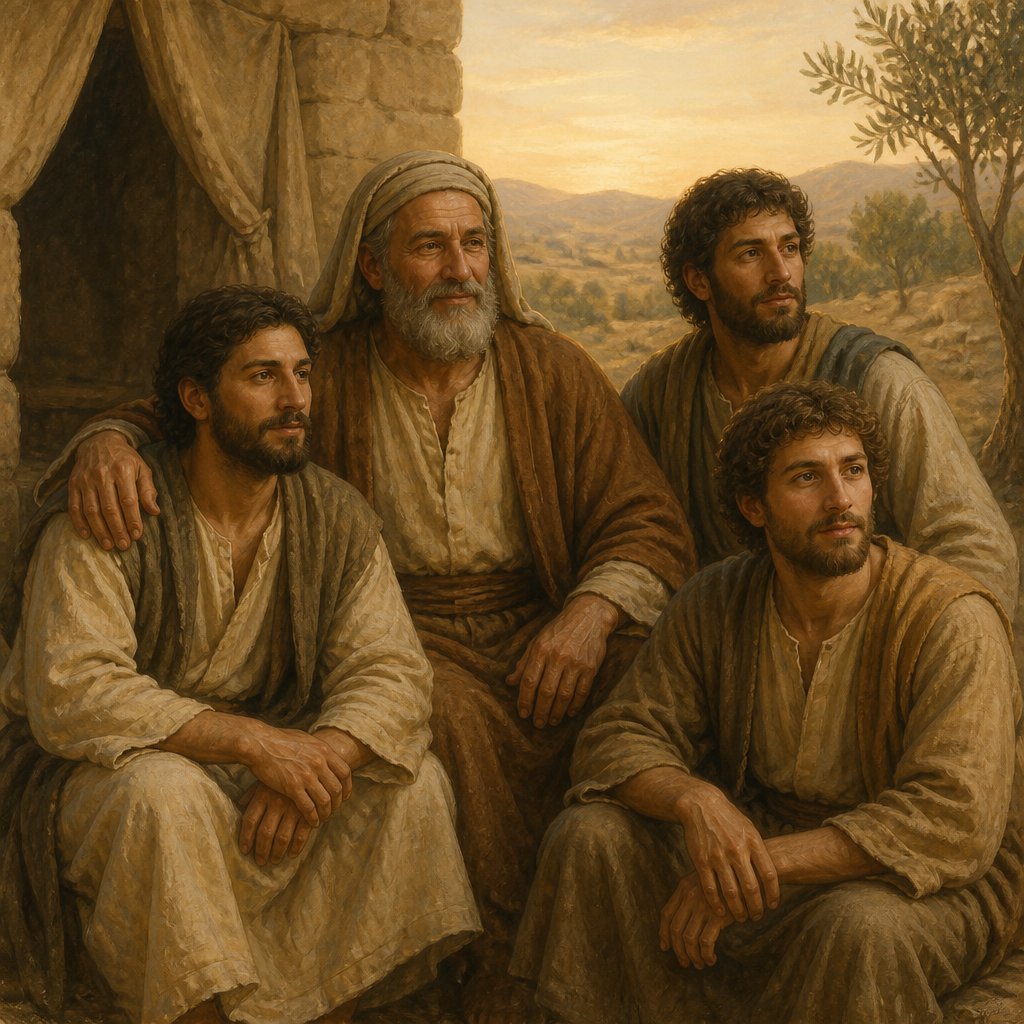
The King James Version of the Bible presents 1 Chronicles 2:9 as follows:
"The sons also of Hezron, that were born unto him; Jerahmeel, and Ram, and Chelubai."
In order to understand the full meaning and significance of this verse, it is important to look at its context within the larger narrative of 1 Chronicles and the Bible as a whole.
1 Chronicles is a book of the Old Testament that traces the genealogy of the Israelites, focusing particularly on the line of Judah. The verse in question is part of a longer genealogical record, listing the descendants of Hezron, who was a key figure in the tribe of Judah.
The inclusion of genealogical records in the Bible serves several important purposes. First, it provides a historical record of the lineage of key figures, establishing their place within the larger narrative of God's chosen people. This sense of continuity and connection to the past was of great importance to the Israelites, as it affirmed their identity and heritage.
Furthermore, genealogies were also important for establishing the legitimacy of certain individuals, particularly in matters of inheritance and leadership. In ancient Israelite society, one's lineage was a significant factor in determining one's social standing and rights to certain privileges, such as land ownership and religious duties.
From a symbolic perspective, the inclusion of genealogical records in the Bible speaks to the broader theme of God's faithfulness and providence. Throughout the Old Testament, the narrative emphasizes the fulfillment of God's promises to the patriarchs and the preservation of his chosen people through the generations. The genealogies serve as a tangible reminder of this divine continuity, reinforcing the idea of God's sovereignty over history and his ongoing care for his people.
In the specific case of 1 Chronicles 2:9, the mention of Hezron's sons – Jerahmeel, Ram, and Chelubai – may seem like a straightforward listing of names, but it is worth noting that each of these individuals had their own unique role and significance within the broader narrative of the Bible. For example, Ram is later revealed to be the father of Boaz, who plays a crucial role in the story of Ruth and the lineage of King David. This demonstrates how seemingly mundane genealogical records can have far-reaching implications for the larger biblical narrative.
Moreover, the genealogy of Judah, of which Hezron is a part, is of particular significance in the Bible because it is through this line that Jesus Christ, the ultimate fulfillment of God's promises, is descended. The genealogy of Jesus, as recorded in the Gospels of Matthew and Luke, traces his ancestry back to Judah and ultimately to Adam, highlighting the divine plan of redemption that spans the entirety of human history.
In conclusion, while 1 Chronicles 2:9 may at first appear to be a simple listing of names, it is embedded within a larger context of themes of continuity, providence, and divine fulfillment. The genealogical records in the Bible serve as a testament to God's faithfulness and sovereignty over history, and they play a crucial role in connecting the stories and figures of the Old Testament to the ultimate fulfillment of God's promises in the person of Jesus Christ.
Get our apps


Artwork for 1 Chronicles 2:9

1 Chronicles 2:9 - "The sons also of Hezron, that were born unto him; Jerahmeel, and Ram, and Chelubai."
"The sons also of Hezron, that were born unto him; Jerahmeel, and Ram, and Chelubai." - 1 Chronicles 2:9

1 Chronicles 9:2 - "¶ Now the first inhabitants that dwelt in their possessions in their cities were, the Israelites, the priests, Levites, and the Nethinims."

2 Chronicles 18:9

2 Chronicles 18:9

2 Chronicles 21:9

2 Chronicles 11:9 - "And Adoraim, and Lachish, and Azekah,"

2 Chronicles 2:9 - "Even to prepare me timber in abundance: for the house which I am about to build shall be wonderful great."
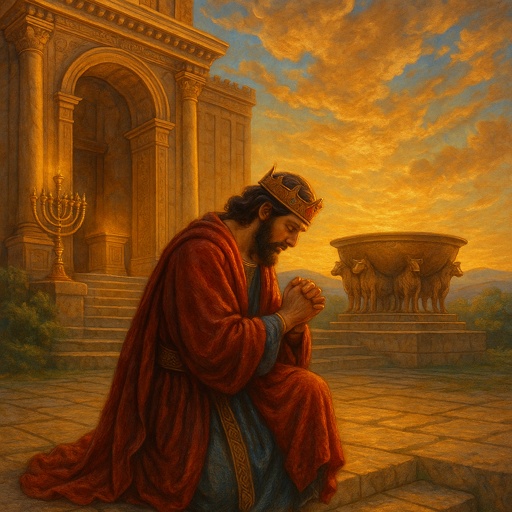
"Now, O LORD God, let thy promise unto David my father be established: for thou hast made me king over a people like the dust of the earth in multitude." - 2 Chronicles 1:9

1 Chronicles 9:37 - "And Gedor, and Ahio, and Zechariah, and Mikloth."

1 Chronicles 9:10 - "¶ And of the priests; Jedaiah, and Jehoiarib, and Jachin,"

1 Chronicles 24:9 - "The fifth to Malchijah, the sixth to Mijamin,"

2 Chronicles 31:9 - "Then Hezekiah questioned with the priests and the Levites concerning the heaps."
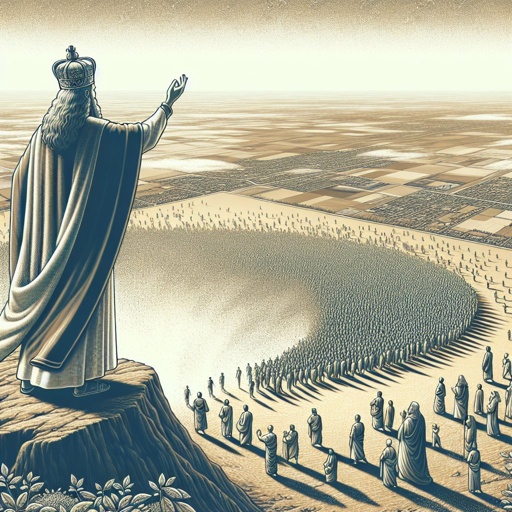
2 Chronicles 1:9 - "Now, O LORD God, let thy promise unto David my father be established: for thou hast made me king over a people like the dust of the earth in multitude."

1 Chronicles 9:5 - "And of the Shilonites; Asaiah the firstborn, and his sons."

1 Chronicles 9:30 - "And some of the sons of the priests made the ointment of the spices."

1 Chronicles 6:9 - "And Ahimaaz begat Azariah, and Azariah begat Johanan,"

1 Chronicles 12:9 - "Ezer the first, Obadiah the second, Eliab the third,"

2 Chronicles 9:30 - "And Solomon reigned in Jerusalem over all Israel forty years."

1 Chronicles 2:48 - "Maachah, Caleb's concubine, bare Sheber, and Tirhanah."

2 Chronicles 9:22 - "And king Solomon passed all the kings of the earth in riches and wisdom."

1 Chronicles 14:9 - "And the Philistines came and spread themselves in the valley of Rephaim."

1 Chronicles 1:9 - "And the sons of Cush; Seba, and Havilah, and Sabta, and Raamah, and Sabtecha. And the sons of Raamah; Sheba, and Dedan."

2 Chronicles 9:2 - "And Solomon told her all her questions: and there was nothing hid from Solomon which he told her not."

1 Chronicles 2:8 - "And the sons of Ethan; Azariah."

1 Chronicles 2:38 - "And Obed begat Jehu, and Jehu begat Azariah,"

1 Chronicles 2:41 - "And Shallum begat Jekamiah, and Jekamiah begat Elishama."

1 Chronicles 2:36 - "And Attai begat Nathan, and Nathan begat Zabad,"

1 Chronicles 2:11 - "And Nahshon begat Salma, and Salma begat Boaz,"

1 Chronicles 2:39 - "And Azariah begat Helez, and Helez begat Eleasah,"