What does 1 Chronicles 3:7 mean?
"And Nogah, and Nepheg, and Japhia," - 1 Chronicles 3:7
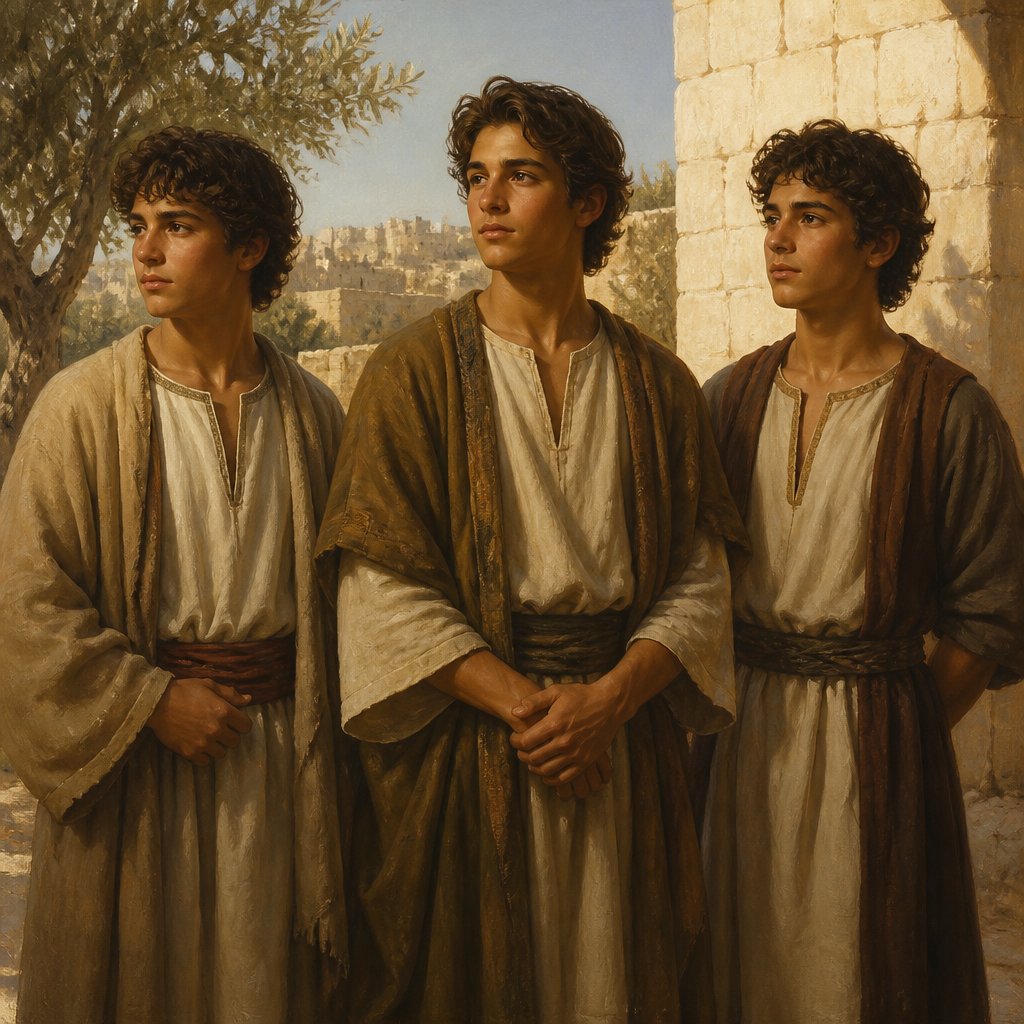
1 Chronicles 3:7 (KJV) – "And Nogah, and Nepheg, and Japhia,"
The book of 1 Chronicles is a historical book in the Old Testament that traces the lineage of the Israelites, particularly the line of David, from whom the Messiah would eventually come. This verse is part of a genealogy that details the descendants of David and demonstrates the fulfillment of God's promises to the nation of Israel.
The names mentioned in this verse – Nogah, Nepheg, and Japhia – may seem insignificant at first glance, but they are part of the broader narrative of God's plan for His people. In this genealogy, we see the recording of the names of David's descendants, which is a reminder of the faithfulness of God to His covenant with David.
One of the key themes in 1 Chronicles 3:7 is the faithfulness of God in fulfilling His promises. Throughout the Bible, we see God's faithfulness to His people, despite their shortcomings and failures. The genealogy in 1 Chronicles is a testament to God's faithfulness in preserving the line of David and ultimately bringing about the birth of Jesus Christ, the long-awaited Messiah.
Another important theme in this verse is the continuity of God's plan throughout history. The recording of these seemingly ordinary names serves as a reminder that each individual is an integral part of God's grand plan. Even though their roles may not be apparent to us, their inclusion in the genealogy is a testament to the fact that God uses ordinary people to accomplish His extraordinary purposes.
The context of 1 Chronicles 3:7 is crucial for understanding its significance. The genealogy in this chapter serves as a historical record of the descendants of David, which was important for establishing the legitimacy of Jesus as the rightful heir to the throne of David. By tracing Jesus' lineage back to David, the genealogy in 1 Chronicles confirms the fulfillment of the Messianic prophecies in the Old Testament.
In addition to its historical and prophetic significance, this verse can also be seen as a symbol of God's sovereignty and providence. The fact that these names are recorded in the Bible signifies that each individual has a unique place in God's plan. It is a reminder that God is intimately involved in the lives of His people, working all things together for the good of those who love Him.
Overall, 1 Chronicles 3:7 may appear to be a simple listing of names, but it carries profound theological and spiritual truths. It highlights God's faithfulness, the continuity of His plan throughout history, and the individual significance of each person in God's redemptive purposes. As we reflect on this verse, we are reminded of the overarching narrative of God's salvation and the assurance that He is always at work, even in the details of our lives.
Have questions about 1 Chronicles 3:7?
Dive deeper into this scripture with Bible Chat — an AI-powered tool for exploring God's Word through conversation. Ask questions, get context, and grow in your understanding of the Bible.
Get Our Apps


1 Chronicles 3:7 Artwork

1 Chronicles 3:7 - "And Nogah, and Nepheg, and Japhia,"

"And Nogah, and Nepheg, and Japhia," - 1 Chronicles 3:7

1 Chronicles 7:3 - "And the sons of Uzzi; Izrahiah: and the sons of Izrahiah; Michael, and Obadiah, and Joel, Ishiah, five: all of them chief men."

2 Chronicles 3:7 - "He overlaid also the house, the beams, the posts, and the walls thereof, and the doors thereof, with gold; and graved cherubims on the walls."

1 Chronicles 3:6 - "Ibhar also, and Elishama, and Eliphelet,"

1 Chronicles 3:14 - "Amon his son, Josiah his son."

1 Chronicles 1:3 - "Henoch, Methuselah, Lamech,"

1 Chronicles 3:8 - "And Elishama, and Eliada, and Eliphelet, nine."

1 Chronicles 1:7 - "And the sons of Javan; Elishah, and Tarshish, Kittim, and Dodanim."

1 Chronicles 3:12 - "Amaziah his son, Azariah his son, Jotham his son,"

1 Chronicles 14:7 - "And Elishama, and Beeliada, and Eliphalet."

1 Chronicles 3:18 - "Malchiram also, and Pedaiah, and Shenazar, Jecamiah, Hoshama, and Nedabiah."

1 Chronicles 3:16 - "And the sons of Jehoiakim: Jeconiah his son, Zedekiah his son."

"Amon his son, Josiah his son." - 1 Chronicles 3:14

1 Chronicles 3:20 - "And Hashubah, and Ohel, and Berechiah, and Hasadiah, Jushab-hesed, five."

1 Chronicles 3:17 - "¶ And the sons of Jeconiah; Assir, Salathiel his son,"

1 Chronicles 3:3 - "The fifth, Shephatiah of Abital: the sixth, Ithream by Eglah his wife."

1 Chronicles 3:11 - "Joram his son, Ahaziah his son, Joash his son,"

1 Chronicles 3:13 - "Ahaz his son, Hezekiah his son, Manasseh his son,"

1 Chronicles 23:7 - "¶ Of the Gershonites were, Laadan, and Shimei."

"And Elishama, and Eliada, and Eliphelet, nine." - 1 Chronicles 3:8

"Ibhar also, and Elishama, and Eliphelet," - 1 Chronicles 3:6

1 Chronicles 7:39 - "And the sons of Ulla; Arah, and Haniel, and Rezia."

1 Chronicles 7:38 - "And the sons of Jether; Jephunneh, and Pispah, and Ara."

1 Chronicles 12:7 - "And Joelah, and Zebadiah, the sons of Jeroham of Gedor."

1 Chronicles 7:1 - "Now the sons of Issachar were, Tola, and Puah, Jashub, and Shimron, four."

1 Chronicles 3:23 - "And the sons of Neariah; Elioenai, and Hezekiah, and Azrikam, three."

1 Chronicles 7:6 - "¶ The sons of Benjamin; Bela, and Becher, and Jediael, three."

1 Chronicles 4:7 - "And the sons of Helah were, Zereth, and Jezoar, and Ethnan."

1 Chronicles 7:34 - "And the sons of Shamer; Ahi, and Rohgah, Jehubbah, and Aram."