What does 1 Chronicles 4:43 mean?
“And they smote the rest of the Amalekites that were escaped, and dwelt there unto this day.” — 1 Chronicles 4:43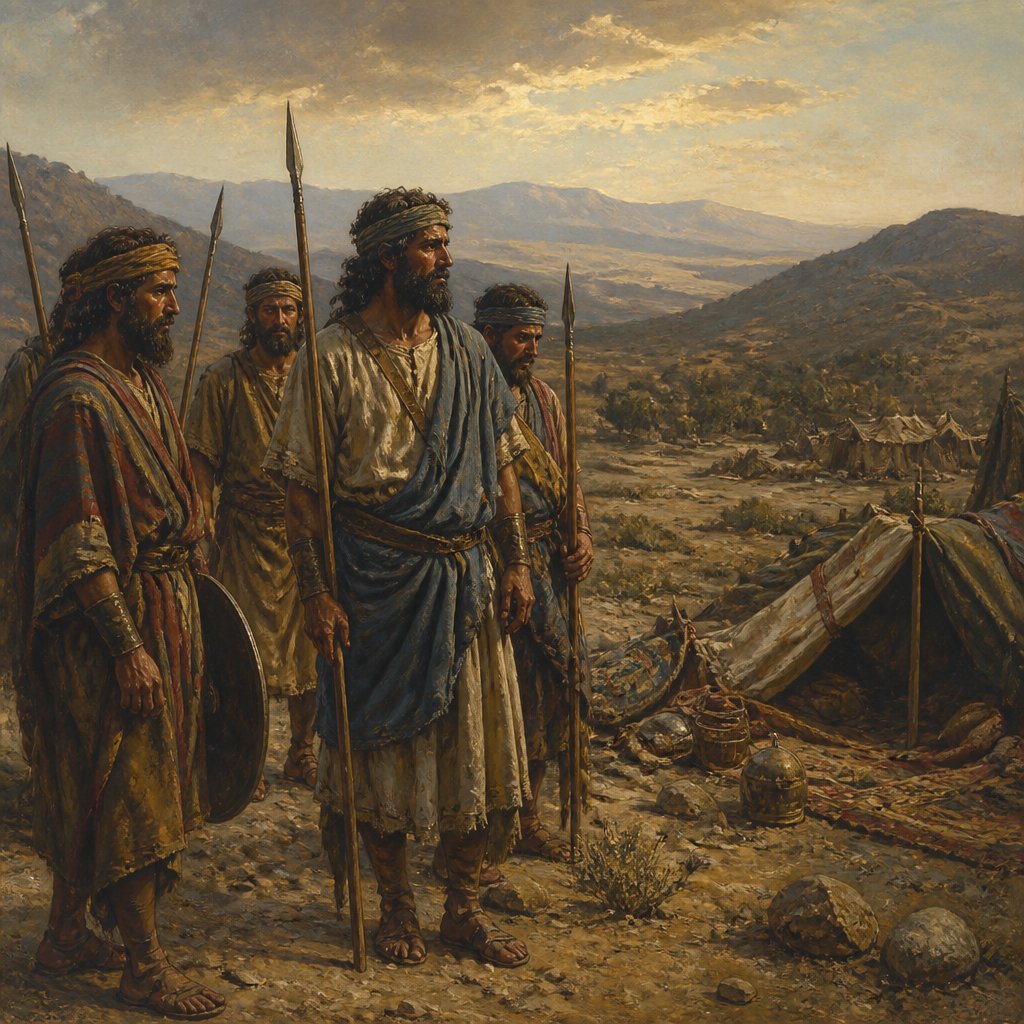
1 Chronicles 4:43 (KJV) reads, "And they smote the rest of the Amalekites that were escaped, and dwelt there unto this day."
This verse may seem straightforward at first glance, but upon closer examination, it reveals important themes, context, and symbolism that hold significance for believers.
The historical context of this verse is essential to fully understand its implications. The book of 1 Chronicles is a part of the Old Testament, and it is one of the historical books that chronicles the lineage and history of the Israelites. At this point in the narrative, the Israelites had been commanded by God to conquer the land of Canaan and to drive out the inhabitants who were living there. The Amalekites were one of the pagan nations that the Israelites were called to subdue. The Amalekites were known to be enemies of the Israelites, and they had a history of attacking and opposing God's chosen people.
In this verse, the phrase "they smote the rest of the Amalekites that were escaped" highlights the determination of the Israelites to fulfill God's command to defeat their enemies. The word "smote" implies that they decisively defeated the remaining Amalekites, indicating the severity of the conflict. The fact that they "dwelt there unto this day" suggests that the Israelites had achieved a lasting victory, and they were able to settle and inhabit the land that they had conquered.
One of the central themes of this verse is the concept of obedience to God's commands. Throughout the Old Testament, God repeatedly instructed the Israelites to drive out the pagan nations from the land of Canaan. The Israelites' obedience to God's commands was crucial in establishing and maintaining their possession of the Promised Land. By smiting the Amalekites, the Israelites demonstrated their faithfulness to God and their willingness to carry out His will.
Another significant theme in this verse is the idea of divine providence and protection. The fact that the Israelites were able to defeat the Amalekites and establish themselves in the conquered territory "unto this day" suggests that God was actively involved in ensuring their success. This theme reaffirms the biblical principle that God is a mighty deliverer and protector of His people.
The symbolism in this verse can be seen in the spiritual significance of the Amalekites as representative of spiritual enemies and opposition. In the New Testament, the Apostle Paul writes in Ephesians 6:12 (KJV) that "we wrestle not against flesh and blood, but against principalities, against powers, against the rulers of the darkness of this world, against spiritual wickedness in high places." This verse reminds believers that the battles the Israelites fought against physical enemies can serve as a metaphor for the spiritual battles that Christians face against spiritual forces of darkness.
In conclusion, 1 Chronicles 4:43 (KJV) offers a powerful message about faithfulness to God's commands, divine providence, and spiritual warfare. By understanding the historical context, themes, and symbolism embedded in this verse, believers can draw strength and encouragement in their own walk of faith. This verse serves as a reminder of God's faithfulness to His people and the importance of obedience and trust in His divine guidance.
Get our apps


Artwork for 1 Chronicles 4:43

1 Chronicles 4:43 - "And they smote the rest of the Amalekites that were escaped, and dwelt there unto this day."

"And they smote the rest of the Amalekites that were escaped, and dwelt there unto this day." - 1 Chronicles 4:43

1 Chronicles 4:3 - "And these were of the father of Etam; Jezreel, and Ishma, and Idbash: and the name of their sister was Hazelelponi:"

1 Chronicles 11:43 - "Hanan the son of Maachah, and Joshaphat the Mithnite,"

1 Chronicles 2:43 - "And the sons of Hebron; Korah, and Tappuah, and Rekem, and Shema."

1 Chronicles 6:43 - "The son of Jahath, the son of Gershom, the son of Levi."
"And these were of the father of Etam; Jezreel, and Ishma, and Idbash: and the name of their sister was Hazelelponi:" - 1 Chronicles 4:3

1 Chronicles 9:43 - "And Moza begat Binea; and Rephaiah his son, Eleasah his son, Azel his son."

1 Chronicles 16:43 - "And all the people departed every man to his house: and David returned to bless his house."

"Hanan the son of Maachah, and Joshaphat the Mithnite," - 1 Chronicles 11:43

1 Chronicles 1:43 - "¶ Now these are the kings that reigned in the land of Edom before any king reigned over the children of Israel; Bela the son of Beor: and the name of his city was Dinhabah."

"The son of Jahath, the son of Gershom, the son of Levi." - 1 Chronicles 6:43

"And the sons of Hebron; Korah, and Tappuah, and Rekem, and Shema." - 1 Chronicles 2:43

1 Chronicles 4 : 10

1 Chronicles 1:4 - "Noah, Shem, Ham, and Japheth."

For every creature of God is good, and nothing to be refused, if it be received with thanksgiving:" - 1 Timothy 4:43

2 Chronicles 4:22

1 Chronicles 4:29 - "And at Bilhah, and at Ezem, and at Tolad,"

1 Chronicles 4:30 - "And at Bethuel, and at Hormah, and at Ziklag,"

1 Chronicles 8:4 - "And Abishua, and Naaman, and Ahoah,"

1 Chronicles 4:1 - "The sons of Judah; Pharez, Hezron, and Carmi, and Hur, and Shobal."

1 Chronicles 4:34 - "And Meshobab, and Jamlech, and Joshah the son of Amaziah,"

1 Chronicles 15:4 - "And David assembled the children of Aaron, and the Levites:"
"And Moza begat Binea; and Rephaiah his son, Eleasah his son, Azel his son." - 1 Chronicles 9:43
"And all the people departed every man to his house: and David returned to bless his house." - 1 Chronicles 16:43

1 Chronicles 4:25 - "Shallum his son, Mibsam his son, Mishma his son."

1 Chronicles 4:28 - "And they dwelt at Beer-sheba, and Moladah, and Hazar-shual,"

1 Chronicles 4:7 - "And the sons of Helah were, Zereth, and Jezoar, and Ethnan."

1 Chronicles 4:16 - "And the sons of Jehaleleel; Ziph, and Ziphah, Tiria, and Asareel."

2 Chronicles 4:3 - "And under it was the similitude of oxen, which did compass it round about: ten in a cubit, compassing the sea round about. Two rows of oxen were cast, when it was cast."