What does 1 Chronicles 5:24 mean?
“And these were the heads of the house of their fathers, even Epher, and Ishi, and Eliel, and Azriel, and Jeremiah, and Hodaviah, and Jahdiel, mighty men of valour, famous men, and heads of the house of their fathers.” — 1 Chronicles 5:24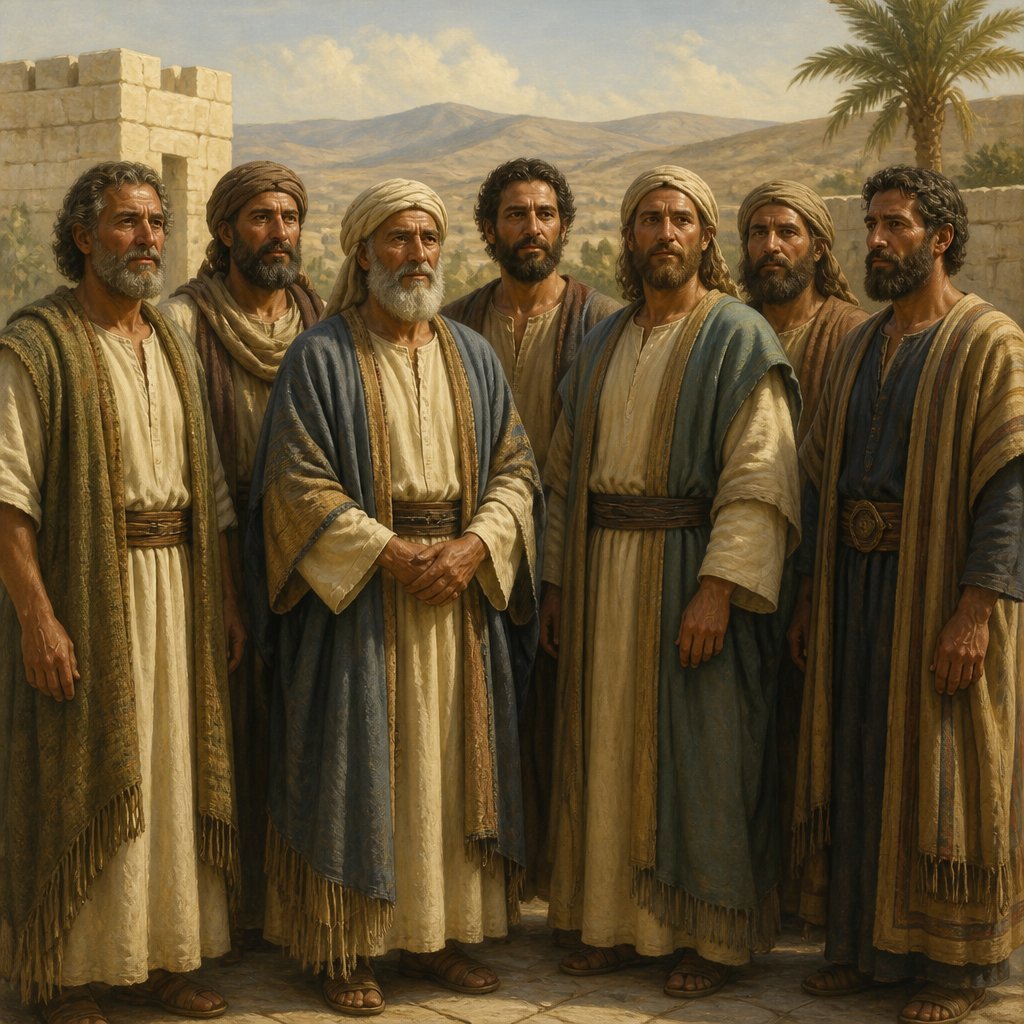
The Bible verse 1 Chronicles 5:24 from the King James Version (KJV) states, "And these were the heads of the house of their fathers, even Epher, and Ishi, and Eliel, and Azriel, and Jeremiah, and Hodaviah, and Jahdiel, mighty men of valour, famous men, and heads of the house of their fathers."
This verse is a part of the genealogical record of the descendants of Gad, one of the twelve tribes of Israel. The book of 1 Chronicles is largely focused on the genealogy of the people of Israel, and this particular verse is a summary of the leaders and prominent figures within the tribe of Gad.
The themes present in this verse include leadership, valor, and family lineage. The mention of the "heads of the house of their fathers" emphasizes the importance of leadership and the passing down of roles and responsibilities from one generation to the next. The phrase "mighty men of valour" further underscores the theme of leadership and bravery, highlighting the courage and strength of these individuals.
The context of this verse is significant in understanding the overall message of the book of 1 Chronicles. The genealogies recorded in this book serve to link the people of Israel to their ancestral roots and establish their lineage. This lineage was important for the Israelites because it connected them to their heritage and demonstrated their rightful place within the covenant community.
The symbolism in this verse lies in the names of the prominent figures mentioned. In the Bible, names often carry symbolic meaning and significance. For example, the name "Jeremiah" means "Yahweh will exalt," which could be seen as a foreshadowing of the exaltation and importance of this individual within the tribe of Gad. Additionally, the names "Eliel" and "Azriel" both contain elements that reference God, further emphasizing the spiritual significance of these leaders within their community.
Overall, this verse serves as a reminder of the importance of leadership, bravery, and lineage within the Israelite community. It showcases the strength and valor of the leaders of the tribe of Gad and emphasizes their role in guiding and protecting their people. Additionally, it highlights the significance of family lineage and the passing down of traditions and responsibilities from one generation to the next.
In a broader sense, this verse also encourages readers to consider their own roles within their families and communities. It prompts reflection on the qualities of leadership and valor and the importance of preserving traditions and heritage. Ultimately, this verse contributes to the overall narrative of 1 Chronicles, which emphasizes the unity and strength of the people of Israel as they seek to fulfill their God-given purpose.
Get our apps


Artwork for 1 Chronicles 5:24

1 Chronicles 5:24 - "And these were the heads of the house of their fathers, even Epher, and Ishi, and Eliel, and Azriel, and Jeremiah, and Hodaviah, and Jahdiel, mighty men of valour, famous men, and heads of the house of their fathers."
"And these were the heads of the house of their fathers, even Epher, and Ishi, and Eliel, and Azriel, and Jeremiah, and Hodaviah, and Jahdiel, mighty men of valour, famous men, and heads of the house of their fathers." - 1 Chronicles 5:24
1 Chronicles 24:5 - "Thus were they divided by lot, one sort with another; for the governors of the sanctuary, and governors of the house of God, were of the sons of Eleazar, and of the sons of Ithamar."

1 Chronicles 24:24 - "Of the sons of Uzziel; Michah: of the sons of Michah; Shamir."

1 Chronicles 1:24 - "¶ Shem, Arphaxad, Shelah,"

1 Chronicles 8:24 - "And Hananiah, and Elam, and Antothijah,"

2 Kings 24:5 - "¶ Now the rest of the acts of Jehoiakim, and all that he did, are they not written in the book of the chronicles of the kings of Judah?"

1 Chronicles 24:15 - "The seventeenth to Hezir, the eighteenth to Aphses,"

1 Chronicles 24:16 - "The nineteenth to Pethahiah, the twentieth to Jehezekel,"

1 Chronicles 24:11 - "The ninth to Jeshua, the tenth to Shecaniah,"

1 Chronicles 24:14 - "The fifteenth to Bilgah, the sixteenth to Immer,"

1 Chronicles 24:9 - "The fifth to Malchijah, the sixth to Mijamin,"

1 Chronicles 24:13 - "The thirteenth to Huppah, the fourteenth to Jeshebeab,"

1 Chronicles 24:10 - "The seventh to Hakkoz, the eighth to Abijah,"

1 Chronicles 24:8 - "The third to Harim, the fourth to Seorim,"

1 Chronicles 24:12 - "The eleventh to Eliashib, the twelfth to Jakim,"

1 Chronicles 24:22 - "Of the Izharites; Shelomoth: of the sons of Shelomoth; Jahath."

1 Chronicles 24:29 - "Concerning Kish: the son of Kish was Jerahmeel."

"¶ Shem, Arphaxad, Shelah," - 1 Chronicles 1:24

1 Chronicles 24:25 - "The brother of Michah was Isshiah: of the sons of Isshiah; Zechariah."

1 Chronicles 24:18 - "The three and twentieth to Delaiah, the four and twentieth to Maaziah."

1 Chronicles 24:21 - "Concerning Rehabiah: of the sons of Rehabiah, the first was Isshiah."

1 Chronicles 24:28 - "Of Mahli came Eleazar, who had no sons."

1 Chronicles 24:17 - "The one and twentieth to Jachin, the two and twentieth to Gamul,"

1 Chronicles 24:1 - "Now these are the divisions of the sons of Aaron. The sons of Aaron; Nadab, and Abihu, Eleazar, and Ithamar."

1 Chronicles 26:24 - "And Shebuel the son of Gershom, the son of Moses, was ruler of the treasures."

1 Chronicles 24:27 - "¶ The sons of Merari by Jaaziah; Beno, and Shoham, and Zaccur, and Ibri."

1 Chronicles 5:5 - "Micah his son, Reaia his son, Baal his son,"

"Of the sons of Uzziel; Michah: of the sons of Michah; Shamir." - 1 Chronicles 24:24

1 Chronicles 24:7 - "Now the first lot came forth to Jehoiarib, the second to Jedaiah,"