What does 1 Chronicles 5:7 mean?
“And his brethren by their families, when the genealogy of their generations was reckoned, were the chief, Jeiel, and Zechariah,” — 1 Chronicles 5:7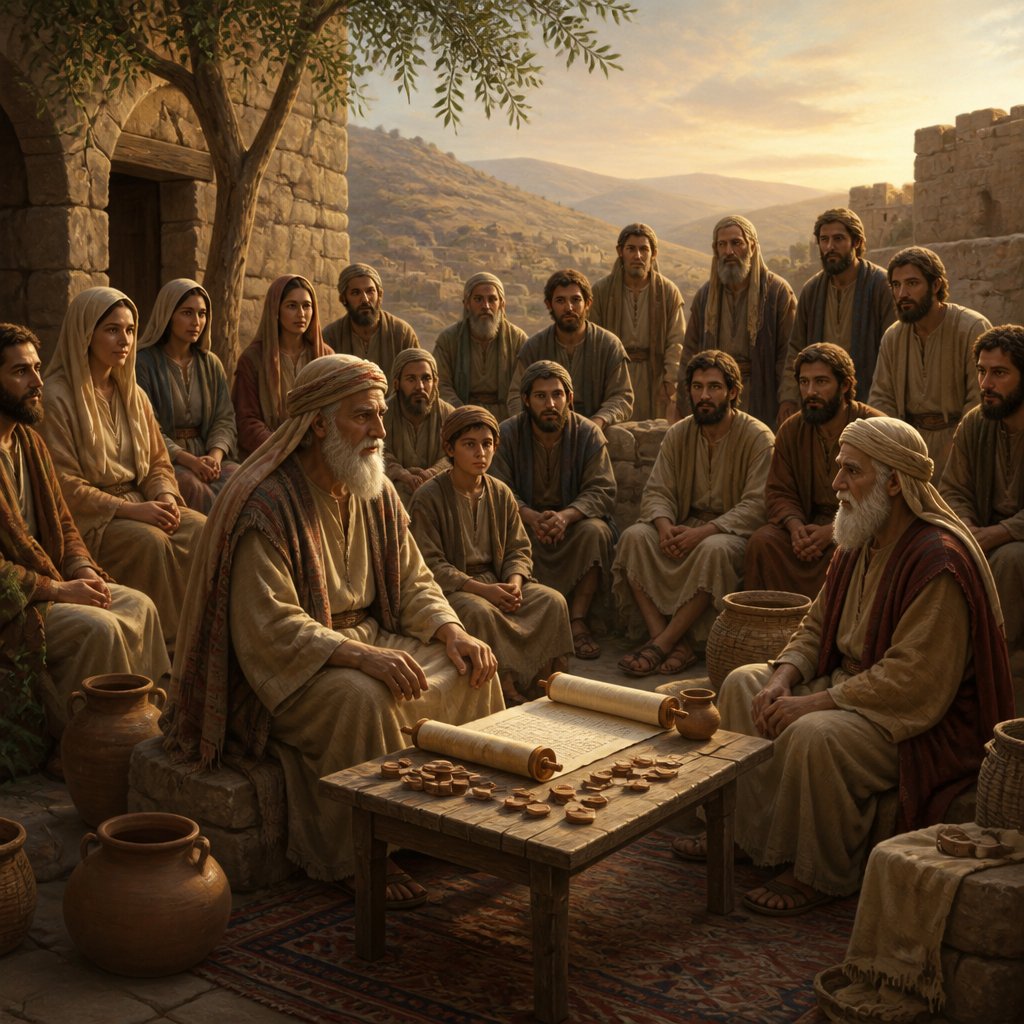
Sure, here is the verse from the King James Version:
"And his brethren by their families, when the genealogy of their generations was reckoned, were the chief, Jeiel, and Zechariah,"
This verse comes from the book of 1 Chronicles, which is a historical book in the Old Testament. The book of 1 Chronicles is primarily a genealogical record of the descendants of Jacob, also known as Israel, and it traces the genealogy of the tribes of Israel.
In the verse 1 Chronicles 5:7, the focus is on the genealogy of the descendants of Reuben, the firstborn son of Jacob. Reuben was one of the twelve tribes of Israel, and his descendants were known as the Reubenites. The verse lists two brothers, Jeiel and Zechariah, who were the chiefs of their families when the genealogy of their generations was recorded.
One of the key themes in this verse is the importance of genealogy and family heritage. In ancient Israel, genealogy was highly significant as it determined a person's tribal affiliation, inheritance rights, and social status. Keeping a record of one's lineage was crucial in preserving the identity and heritage of the tribes of Israel. The genealogical records also served as a means of identifying the lineage of the Messiah, which is fulfilled in the New Testament with the genealogy of Jesus Christ.
Another theme in this verse is the notion of leadership and responsibility within the family and tribal structure. Jeiel and Zechariah were recognized as the chiefs of their families, indicating that they held positions of authority and leadership. This highlights the importance of family leadership and the passing down of ancestral traditions and duties from one generation to another.
The context of this verse is also significant, as it is part of a larger genealogical record of the descendants of Reuben. The genealogies in the Old Testament served to establish the legitimacy and continuity of the tribal lineages, while also reinforcing the covenantal relationship between God and the people of Israel.
In terms of symbolism, Jeiel and Zechariah represent the continuity of the Reubenite lineage and the preservation of tribal heritage. Their positions as chiefs within their families symbolize the importance of leadership and authority in maintaining the integrity of the tribal communities.
Furthermore, the genealogical records themselves hold symbolic significance as they represent the interconnectedness of the tribes of Israel and the fulfillment of God's promises to the patriarchs. The meticulous preservation of these genealogies underscores the faithfulness of God in upholding his covenant with the people of Israel.
In conclusion, 1 Chronicles 5:7 serves as a testament to the importance of genealogy, family leadership, and the preservation of tribal heritage within the context of ancient Israel. It highlights the significance of ancestral lineage and the continuity of the covenantal relationship between God and the people of Israel. As such, this verse carries historical, cultural, and theological significance within the broader narrative of the Old Testament.
Get our apps


Artwork for 1 Chronicles 5:7

1 Chronicles 5:7 - "And his brethren by their families, when the genealogy of their generations was reckoned, were the chief, Jeiel, and Zechariah,"

"And his brethren by their families, when the genealogy of their generations was reckoned, were the chief, Jeiel, and Zechariah," - 1 Chronicles 5:7
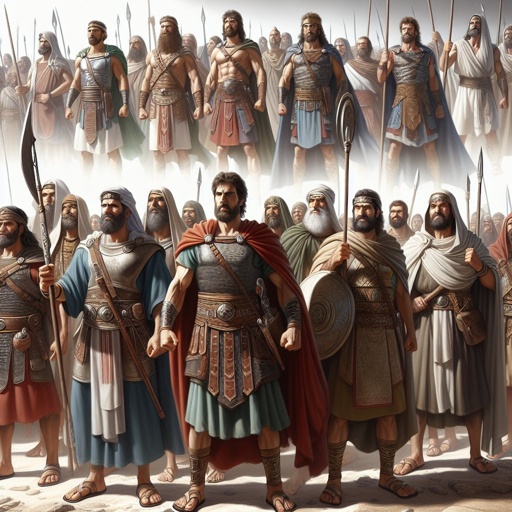
1 Chronicles 7:5 - "And their brethren among all the families of Issachar were valiant men of might, reckoned in all by their genealogies fourscore and seven thousand."

1 Chronicles 5:5 - "Micah his son, Reaia his son, Baal his son,"

1 Chronicles 1:7 - "And the sons of Javan; Elishah, and Tarshish, Kittim, and Dodanim."

1 Chronicles 8:5 - "And Gera, and Shephuphan, and Huram."

1 Chronicles 14:5 - "And Ibhar, and Elishua, and Elpalet,"

1 Chronicles 14:7 - "And Elishama, and Beeliada, and Eliphalet."

1 Chronicles 3:7 - "And Nogah, and Nepheg, and Japhia,"

1 Chronicles 2:5 - "The sons of Pharez; Hezron, and Hamul."

1 Chronicles 5:19 - "And they made war with the Hagarites, with Jetur, and Nephish, and Nodab."

1 Chronicles 23:7 - "¶ Of the Gershonites were, Laadan, and Shimei."

2 Chronicles 5:7 - "And the priests brought in the ark of the covenant of the LORD unto his place, to the oracle of the house, into the most holy place, even under the wings of the cherubims:"

1 Chronicles 5:4 - "The sons of Joel; Shemaiah his son, Gog his son, Shimei his son,"

1 Chronicles 1:5 - "¶ The sons of Japheth; Gomer, and Magog, and Madai, and Javan, and Tubal, and Meshech, and Tiras."

1 Chronicles 9:5 - "And of the Shilonites; Asaiah the firstborn, and his sons."

1 Chronicles 7:39 - "And the sons of Ulla; Arah, and Haniel, and Rezia."

1 Chronicles 7:38 - "And the sons of Jether; Jephunneh, and Pispah, and Ara."

1 Chronicles 12:7 - "And Joelah, and Zebadiah, the sons of Jeroham of Gedor."

1 Peter 5:7

1 Chronicles 7:1 - "Now the sons of Issachar were, Tola, and Puah, Jashub, and Shimron, four."

1 Chronicles 12:5 - "Eluzai, and Jerimoth, and Bealiah, and Shemariah, and Shephatiah the Haruphite,"

1 Chronicles 6:5 - "And Abishua begat Bukki, and Bukki begat Uzzi,"

1 Chronicles 7:6 - "¶ The sons of Benjamin; Bela, and Becher, and Jediael, three."

1 Chronicles 4:7 - "And the sons of Helah were, Zereth, and Jezoar, and Ethnan."

1 Chronicles 7:34 - "And the sons of Shamer; Ahi, and Rohgah, Jehubbah, and Aram."

1 Chronicles 6:7 - "Meraioth begat Amariah, and Amariah begat Ahitub,"

1 Chronicles 5:15 - "Ahi the son of Abdiel, the son of Guni, chief of the house of their fathers."

1 Chronicles 7:37 - "Bezer, and Hod, and Shamma, and Shilshah, and Ithran, and Beera."

1 Chronicles 7:27 - "Non his son, Jehoshua his son."