What does 1 Chronicles 6:52 mean?
“Meraioth his son, Amariah his son, Ahitub his son,” — 1 Chronicles 6:52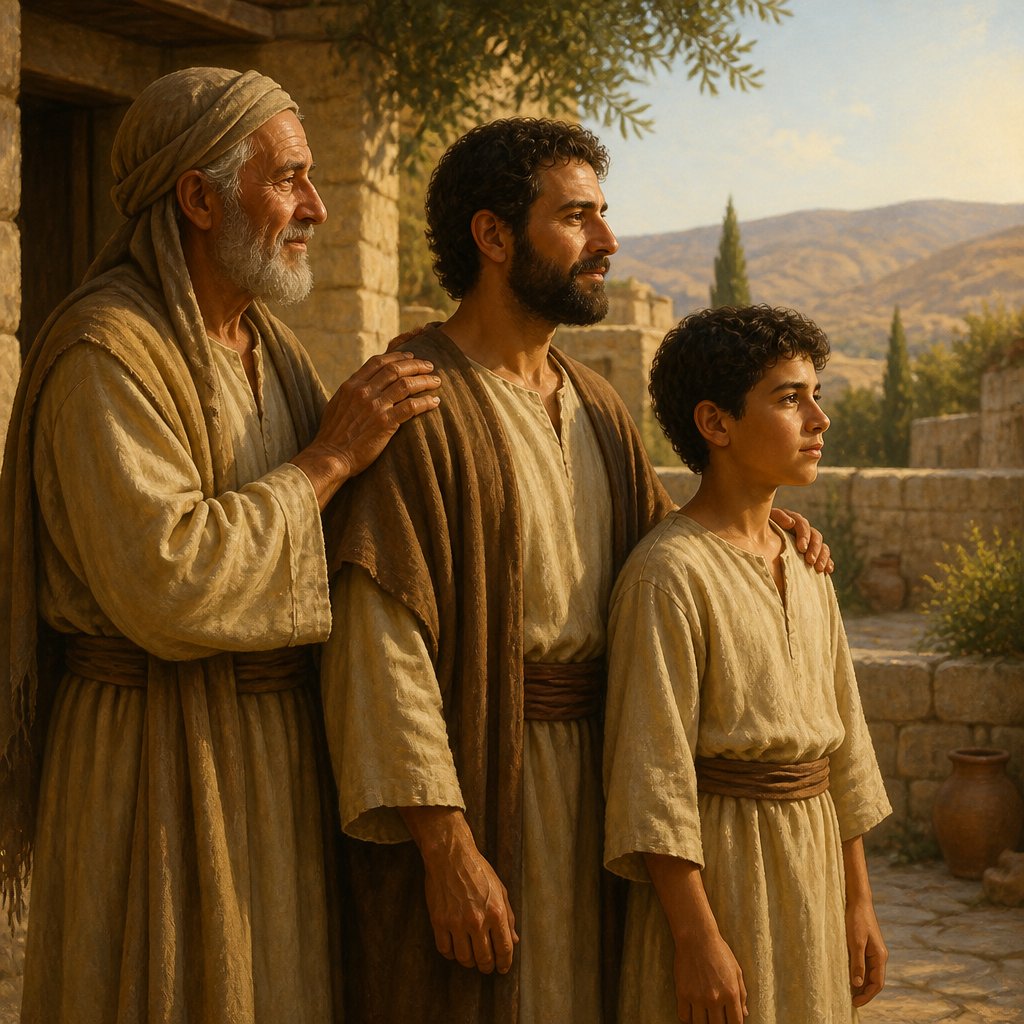
1 Chronicles 6:52 (KJV) - "And Ahiron, with the Levites that were left in the city of refuge, reigned over Reubenites and Gadites and half the tribe of Manasseh, with all manner of instruments of war for the battle."
The book of 1 Chronicles is a historical account of the genealogy of the Israelites, beginning with Adam and tracing the lineage of the tribes of Israel. This verse comes from a section that documents the line of Aaron, who was a Levite and the brother of Moses. The Levites were a tribe within the Israelites that were designated to serve as priests in the temple and to assist with religious duties. In this particular verse, the focus is on Ahiron, a descendant of Aaron, and the Levites who were left in the city of refuge.
The city of refuge was a concept in ancient Israelite culture where certain cities were designated as places of sanctuary and protection for individuals who accidentally committed manslaughter. This provision allowed for the protection of those who may have otherwise been at risk of retaliation from the family of the deceased. The Levites who were left in the city of refuge were given the responsibility of overseeing and maintaining its functions, and Ahiron is mentioned as reigning over the Reubenites, Gadites, and half the tribe of Manasseh, who were the inheritors of the cities of refuge in their respective territories.
Symbolically, this verse can be interpreted as a reminder of the importance of justice, mercy, and the provision of safe havens for those in need. Just as the city of refuge provided a place of safety and protection for individuals in a time of distress, it serves as a representation of God's grace and protection for His people. The appointment of Ahiron and the Levites to reign over the tribes in the city of refuge also speaks to the authority and responsibility given to those who serve in positions of leadership and oversight.
In a broader context, this verse reflects the theme of God's faithfulness and provision for His people. Throughout the history of the Israelites, God demonstrated His commitment to caring for and guiding His chosen nation, even in times of trouble and uncertainty. The mention of "all manner of instruments of war for the battle" also underscores the reality of the Israelites' existence in a world filled with conflict and struggle, and the need for readiness and preparation in the face of adversity.
Furthermore, the inclusion of this verse within the broader genealogical record of 1 Chronicles serves to emphasize the significance of the Levites and their role in the religious and social structure of Israel. It highlights the specific duties and responsibilities assigned to this tribe and their ongoing contribution to the welfare and functioning of the nation as a whole.
In conclusion, 1 Chronicles 6:52 from the King James Version offers a glimpse into the historical and cultural context of the ancient Israelites, while also conveying timeless spiritual truths about God's provision, justice, and the roles of leadership and service. The themes of sanctuary, protection, and the faithful stewardship of responsibilities are reflected in this verse, providing a rich foundation for further reflection and application in the lives of believers today.
Get our apps


Artwork for 1 Chronicles 6:52

1 Chronicles 6:52 - "Meraioth his son, Amariah his son, Ahitub his son,"
"Meraioth his son, Amariah his son, Ahitub his son," - 1 Chronicles 6:52

1 Chronicles 1:52 - "Duke Aholibamah, duke Elah, duke Pinon,"

1 Chronicles 2:52 - "And Shobal the father of Kirjath-jearim had sons; Haroeh, and half of the Manahethites."
"Duke Aholibamah, duke Elah, duke Pinon," - 1 Chronicles 1:52
"And Shobal the father of Kirjath-jearim had sons; Haroeh, and half of the Manahethites." - 1 Chronicles 2:52

Mark 6:52 - "For they considered not the miracle of the loaves: for their heart was hardened."

Psalms 52:6 - "The righteous also shall see, and fear, and shall laugh at him:"

1 Chronicles 6:6 - "And Uzzi begat Zerahiah, and Zerahiah begat Meraioth,"

1 Chronicles 1:6 - "And the sons of Gomer; Ashchenaz, and Riphath, and Togarmah."

1 Chronicles 6:1 - "The sons of Levi; Gershon, Kohath, and Merari."

Jeremiah 52:16

Psalm 52:5

1 Chronicles 14:6 - "And Nogah, and Nepheg, and Japhia,"

"For they considered not the miracle of the loaves: for their heart was hardened." - Mark 6:52

Jeremiah 52:6 - "And in the fourth month, in the ninth day of the month, the famine was sore in the city, so that there was no bread for the people of the land."

1 Chronicles 3:6 - "Ibhar also, and Elishama, and Eliphelet,"

1 Chronicles 6:25 - "And the sons of Elkanah; Amasai, and Ahimoth."

1 Chronicles 6:16 - "¶ The sons of Levi; Gershom, Kohath, and Merari."

1 Chronicles 6:17 - "And these be the names of the sons of Gershom; Libni, and Shimei."
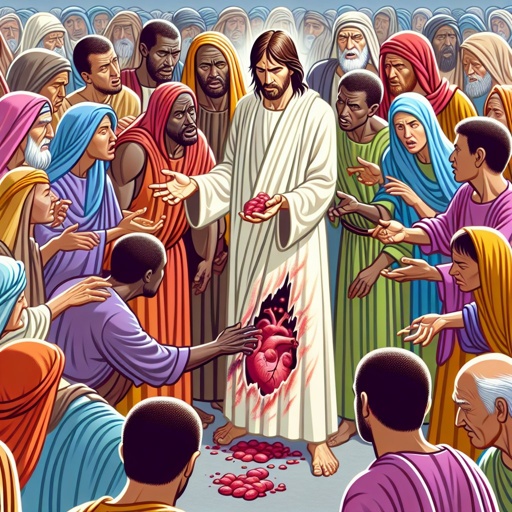
John 6:52 - "The Jews therefore strove among themselves, saying, How can this man give us his flesh to eat?"

1 Chronicles 6:28 - "And the sons of Samuel; the firstborn Vashni, and Abiah."

1 Corinthians 15:51-52

1 Corinthians 15:51-52

1 Corinthians 15:51-52

1 Corinthians 15:51-52

1 Chronicles 6:58 - "And Hilen with her suburbs, Debir with her suburbs,"

1 Chronicles 6:12 - "And Ahitub begat Zadok, and Zadok begat Shallum,"

1 Chronicles 6:45 - "The son of Hashabiah, the son of Amaziah, the son of Hilkiah,"

1 Chronicles 6:11 - "And Azariah begat Amariah, and Amariah begat Ahitub,"