What does 1 Chronicles 6:7 mean?
“Meraioth begat Amariah, and Amariah begat Ahitub,” — 1 Chronicles 6:7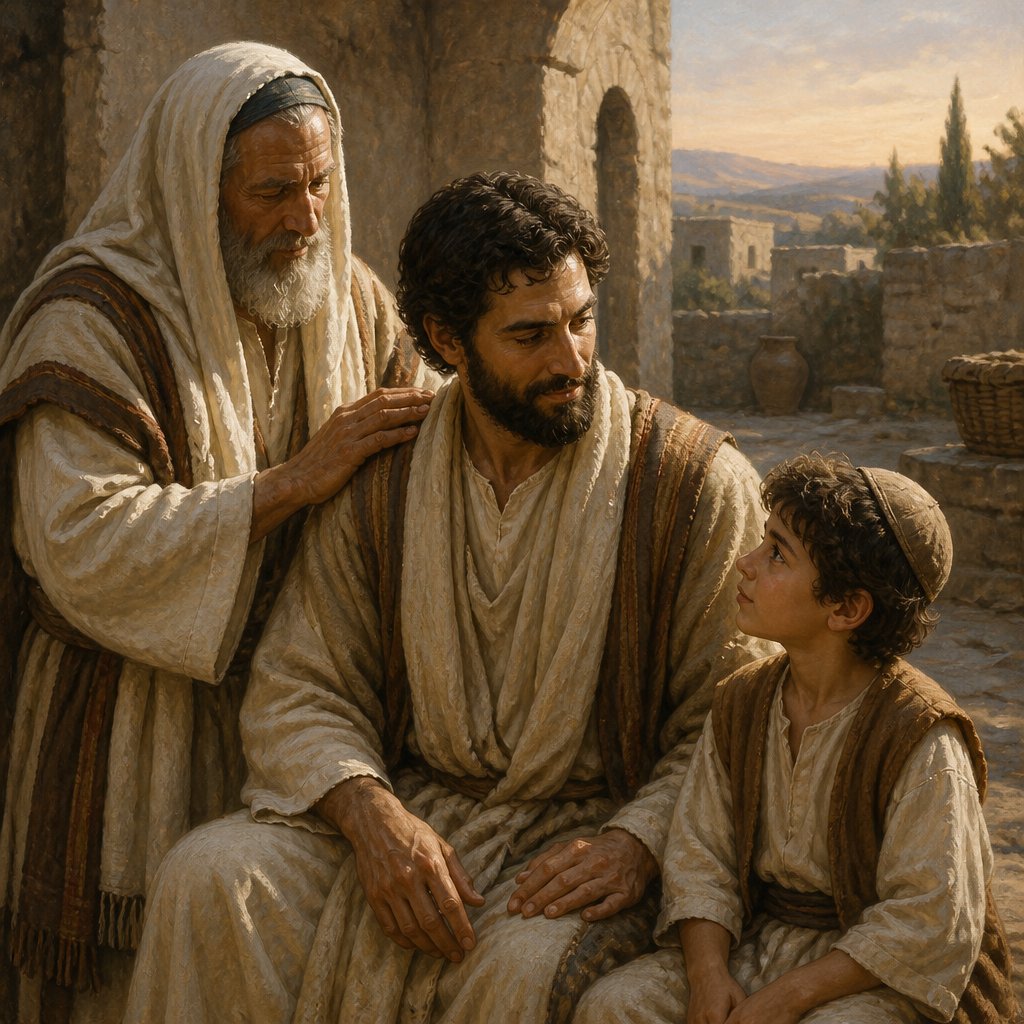
The verse 1 Chronicles 6:7 in the King James Version of the Bible reads, "Meraioth, Amariah, Ahitub,". This verse is part of a genealogy found in the book of 1 Chronicles, which traces the lineage of the descendants of Levi, one of the twelve sons of Jacob. The genealogy is significant in the context of the book, as it serves to establish the historical and religious legitimacy of the priesthood in ancient Israel.
The book of 1 Chronicles is part of the Hebrew Bible and the Christian Old Testament. It is believed to have been written by the prophet Ezra, and its primary focus is on the history of the Israelite people, particularly the genealogies of the tribes of Israel and the establishment of the Davidic monarchy. This genealogy serves to connect the present-day priests and Levites with their ancient ancestors, thereby legitimizing and reinforcing their authority and status within the community.
In terms of themes, this verse is part of a larger theme of genealogy and lineage that runs throughout the book of 1 Chronicles. This theme is not merely a record of names and relationships, but serves to underscore the continuity and stability of the Israelite people, their religious traditions, and their connection to the promises and covenant of God. The genealogy is a reminder that the priesthood and the worship of God are rooted in the history and identity of the Israelites, and that they have been called and chosen by God to fulfill this important role.
The context of this verse is important to understand its significance. In the preceding verses, the genealogy traces the lineage of the High Priestly line from Levi through to Aaron, the brother of Moses. The names mentioned in this verse - Meraioth, Amariah, and Ahitub - are all significant figures in the priestly lineage. Understanding the broader context of the genealogy helps to emphasize the importance of these names and the roles they played in the history of Israel.
Symbolism can also be found in this verse, particularly in the names themselves. In the Bible, names are often significant and carry meaning. Meraioth, for example, means "rebellious" or "bitter", while Amariah means "whom God has promised" and Ahitub means "brother of goodness" or "my brother is goodness". These names can be seen as symbolic of the spiritual journey and character of the individuals who bore them, as well as the broader themes of faithfulness, promise, and the goodness of God that are woven throughout the text.
In conclusion, the verse from 1 Chronicles 6:7 may seem simple at first glance, but it is part of a larger narrative that is rich in meaning and significance. It serves as a reminder of the historical and religious legitimacy of the priesthood in ancient Israel, as well as the continuity and stability of the Israelite people and their connection to the promises and covenant of God. The genealogy also emphasizes the themes of lineage, continuity, and faithfulness, and the names themselves carry symbolic meaning. Ultimately, this verse is a small but essential piece of the larger story of God's faithfulness and the role of the priesthood in the history and identity of the Israelite people.
Get our apps


Artwork for 1 Chronicles 6:7

1 Chronicles 6:7 - "Meraioth begat Amariah, and Amariah begat Ahitub,"
"Meraioth begat Amariah, and Amariah begat Ahitub," - 1 Chronicles 6:7

1 Chronicles 7:6 - "¶ The sons of Benjamin; Bela, and Becher, and Jediael, three."
"¶ The sons of Benjamin; Bela, and Becher, and Jediael, three." - 1 Chronicles 7:6

1 Chronicles 6:6 - "And Uzzi begat Zerahiah, and Zerahiah begat Meraioth,"

1 Chronicles 1:6 - "And the sons of Gomer; Ashchenaz, and Riphath, and Togarmah."

1 Chronicles 6:1 - "The sons of Levi; Gershon, Kohath, and Merari."

2 Chronicles 6:7 - "Now it was in the heart of David my father to build an house for the name of the LORD God of Israel."

1 Chronicles 1:7 - "And the sons of Javan; Elishah, and Tarshish, Kittim, and Dodanim."

1 Chronicles 14:6 - "And Nogah, and Nepheg, and Japhia,"

1 Chronicles 14:7 - "And Elishama, and Beeliada, and Eliphalet."

1 Chronicles 3:7 - "And Nogah, and Nepheg, and Japhia,"

1 Chronicles 3:6 - "Ibhar also, and Elishama, and Eliphelet,"

1 Chronicles 6:25 - "And the sons of Elkanah; Amasai, and Ahimoth."

1 Chronicles 23:7 - "¶ Of the Gershonites were, Laadan, and Shimei."

1 Chronicles 6:16 - "¶ The sons of Levi; Gershom, Kohath, and Merari."

1 Chronicles 6:17 - "And these be the names of the sons of Gershom; Libni, and Shimei."

1 Chronicles 7:39 - "And the sons of Ulla; Arah, and Haniel, and Rezia."

1 Chronicles 7:38 - "And the sons of Jether; Jephunneh, and Pispah, and Ara."

1 Chronicles 12:7 - "And Joelah, and Zebadiah, the sons of Jeroham of Gedor."

1 Chronicles 6:28 - "And the sons of Samuel; the firstborn Vashni, and Abiah."

1 Chronicles 7:1 - "Now the sons of Issachar were, Tola, and Puah, Jashub, and Shimron, four."

1 Chronicles 6:58 - "And Hilen with her suburbs, Debir with her suburbs,"

1 Chronicles 6:12 - "And Ahitub begat Zadok, and Zadok begat Shallum,"

1 Chronicles 6:45 - "The son of Hashabiah, the son of Amaziah, the son of Hilkiah,"

1 Chronicles 6:11 - "And Azariah begat Amariah, and Amariah begat Ahitub,"

1 Chronicles 6:14 - "And Azariah begat Seraiah, and Seraiah begat Jehozadak,"

1 Chronicles 6:53 - "Zadok his son, Ahimaaz his son."

1 Chronicles 6:5 - "And Abishua begat Bukki, and Bukki begat Uzzi,"

1 Chronicles 6:9 - "And Ahimaaz begat Azariah, and Azariah begat Johanan,"