What does 1 Chronicles 6:9 mean?
“And Ahimaaz begat Azariah, and Azariah begat Johanan,” — 1 Chronicles 6:9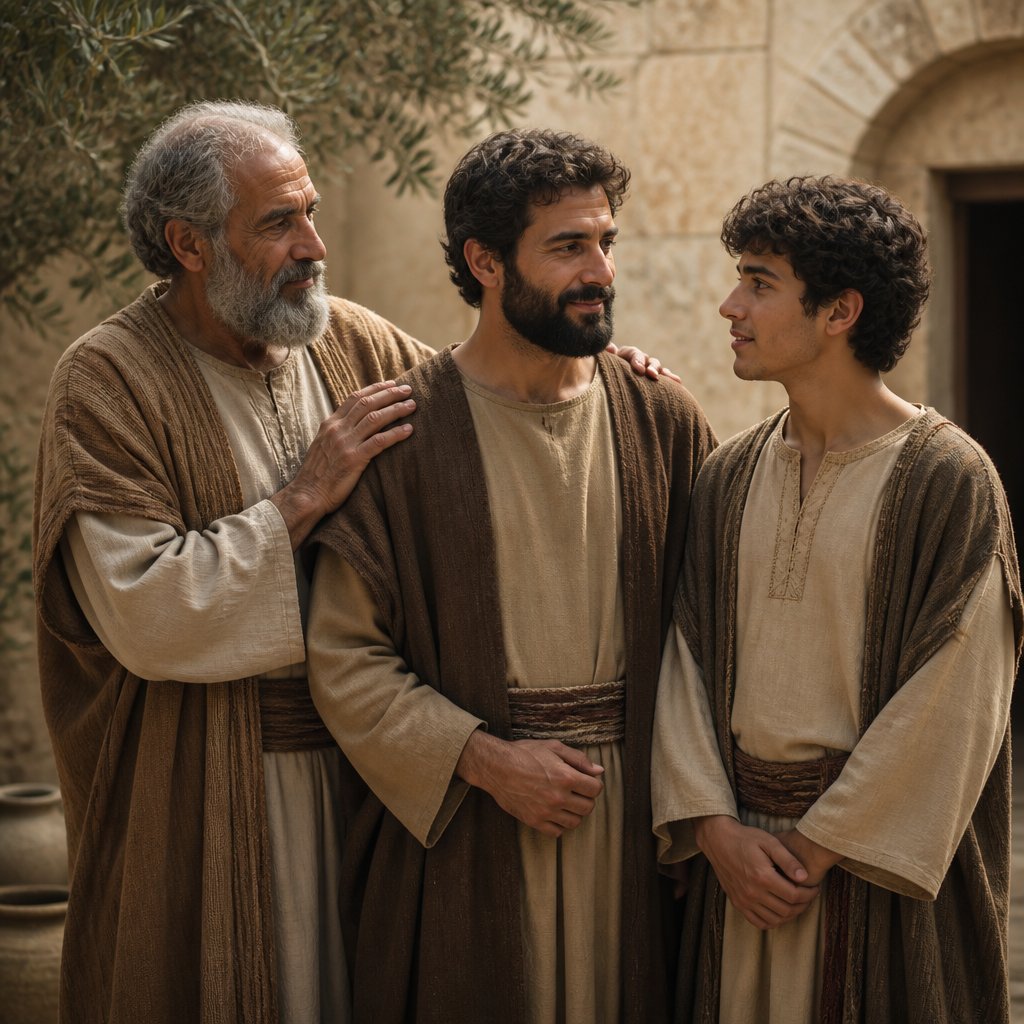
1 Chronicles 6:9 (KJV) "And Ahimaaz begat Azariah, and Azariah begat Johanan,"
The book of 1 Chronicles is a part of the Hebrew Bible, also known as the Old Testament in Christian Bibles. It is a record of genealogies from Adam to the time of the Babylonian captivity and the return to Jerusalem. The verse 1 Chronicles 6:9 is a part of this genealogical record and it lists the descendants of Ahimaaz.
In order to understand the full meaning of this verse, it is important to look at its context within the broader narrative of 1 Chronicles and within the historical and cultural context in which it was written. This verse forms a part of the genealogy of the priestly line of Levi, which is mentioned in 1 Chronicles 6. The genealogy traces the lineage of the priests through several generations, highlighting the importance of their role in religious rituals and maintaining the cultic practices of the Israelites.
The genealogy in 1 Chronicles served several important purposes for the ancient Hebrew people. First, it established a historical connection between the priestly families and the ancient patriarchs, such as Levi. This connection was important for the priests to legitimize their position and authority within the community. The genealogy also ensured that the lineage of the priests remained pure and untainted, as only those with the proper heritage could serve in the priestly roles.
In its specific context, the verse 1 Chronicles 6:9 is a part of a genealogy that traces the succession of priests from one generation to the next. It highlights the importance of maintaining a record of one's familial line and the passing down of religious traditions and practices from one generation to the next.
The verse also carries a broader thematic significance of the continuity and perpetuation of the priesthood. It underscores the idea that the priestly office is passed down through generations, ensuring the preservation of religious customs and rituals within the community. This theme of continuity and lineage is emphasized throughout the book of 1 Chronicles as it seeks to establish a connection between the ancient patriarchs and the contemporary priests and Levites.
Symbolically, the genealogy in 1 Chronicles 6:9 signifies the importance of heritage and the passing down of religious and cultural traditions. It underscores the idea of a lineage that carries with it the responsibility of upholding sacred duties and maintaining the connection with the divine. The genealogy also serves as a symbolic representation of the continuity of the covenant between God and the people of Israel, as the priests are the mediators of this covenant.
In conclusion, the verse 1 Chronicles 6:9, within the broader context of the book of 1 Chronicles, serves as a testament to the importance of genealogy and lineage in preserving the traditions and practices of the ancient Hebrew people. It emphasizes the continuity of the priesthood and the passing down of religious responsibilities from one generation to the next. Symbolically, it represents the enduring connection between God and his chosen people, as manifested through the priestly line of Levi.
Get our apps


Artwork for 1 Chronicles 6:9

1 Chronicles 6:9 - "And Ahimaaz begat Azariah, and Azariah begat Johanan,"
"And Ahimaaz begat Azariah, and Azariah begat Johanan," - 1 Chronicles 6:9

1 Chronicles 9:6 - "And of the sons of Zerah; Jeuel, and their brethren, six hundred and ninety."
"And of the sons of Zerah; Jeuel, and their brethren, six hundred and ninety." - 1 Chronicles 9:6

1 Chronicles 6:6 - "And Uzzi begat Zerahiah, and Zerahiah begat Meraioth,"

1 Chronicles 1:6 - "And the sons of Gomer; Ashchenaz, and Riphath, and Togarmah."

1 Chronicles 6:1 - "The sons of Levi; Gershon, Kohath, and Merari."

1 Chronicles 14:6 - "And Nogah, and Nepheg, and Japhia,"

1 Chronicles 9:37 - "And Gedor, and Ahio, and Zechariah, and Mikloth."

1 Chronicles 9:10 - "¶ And of the priests; Jedaiah, and Jehoiarib, and Jachin,"

1 Chronicles 24:9 - "The fifth to Malchijah, the sixth to Mijamin,"

1 Chronicles 9:5 - "And of the Shilonites; Asaiah the firstborn, and his sons."

1 Chronicles 3:6 - "Ibhar also, and Elishama, and Eliphelet,"

1 Chronicles 6:25 - "And the sons of Elkanah; Amasai, and Ahimoth."

2 Chronicles 6:9 - "Notwithstanding thou shalt not build the house; but thy son which shall come forth out of thy loins, he shall build the house for my name."

1 Chronicles 9:30 - "And some of the sons of the priests made the ointment of the spices."

1 Chronicles 12:9 - "Ezer the first, Obadiah the second, Eliab the third,"

1 Chronicles 6:16 - "¶ The sons of Levi; Gershom, Kohath, and Merari."

1 Chronicles 6:17 - "And these be the names of the sons of Gershom; Libni, and Shimei."

1 Chronicles 6:28 - "And the sons of Samuel; the firstborn Vashni, and Abiah."

1 Chronicles 14:9 - "And the Philistines came and spread themselves in the valley of Rephaim."

1 Chronicles 1:9 - "And the sons of Cush; Seba, and Havilah, and Sabta, and Raamah, and Sabtecha. And the sons of Raamah; Sheba, and Dedan."

1 Chronicles 26:9 - "And Meshelemiah had sons and brethren, strong men, eighteen."

1 Chronicles 9:41 - "And the sons of Micah were, Pithon, and Melech, and Tahrea, and Ahaz."

1 Chronicles 21:9 - "¶ And the LORD spake unto Gad, David's seer, saying,"

1 Chronicles 6:58 - "And Hilen with her suburbs, Debir with her suburbs,"

1 Chronicles 6:12 - "And Ahitub begat Zadok, and Zadok begat Shallum,"

1 Chronicles 6:45 - "The son of Hashabiah, the son of Amaziah, the son of Hilkiah,"

1 Chronicles 6:11 - "And Azariah begat Amariah, and Amariah begat Ahitub,"

1 Chronicles 6:14 - "And Azariah begat Seraiah, and Seraiah begat Jehozadak,"