What does 1 Chronicles 7:8 mean?
“And the sons of Becher; Zemira, and Joash, and Eliezer, and Elioenai, and Omri, and Jerimoth, and Abiah, and Anathoth, and Alameth. All these are the sons of Becher.” — 1 Chronicles 7:8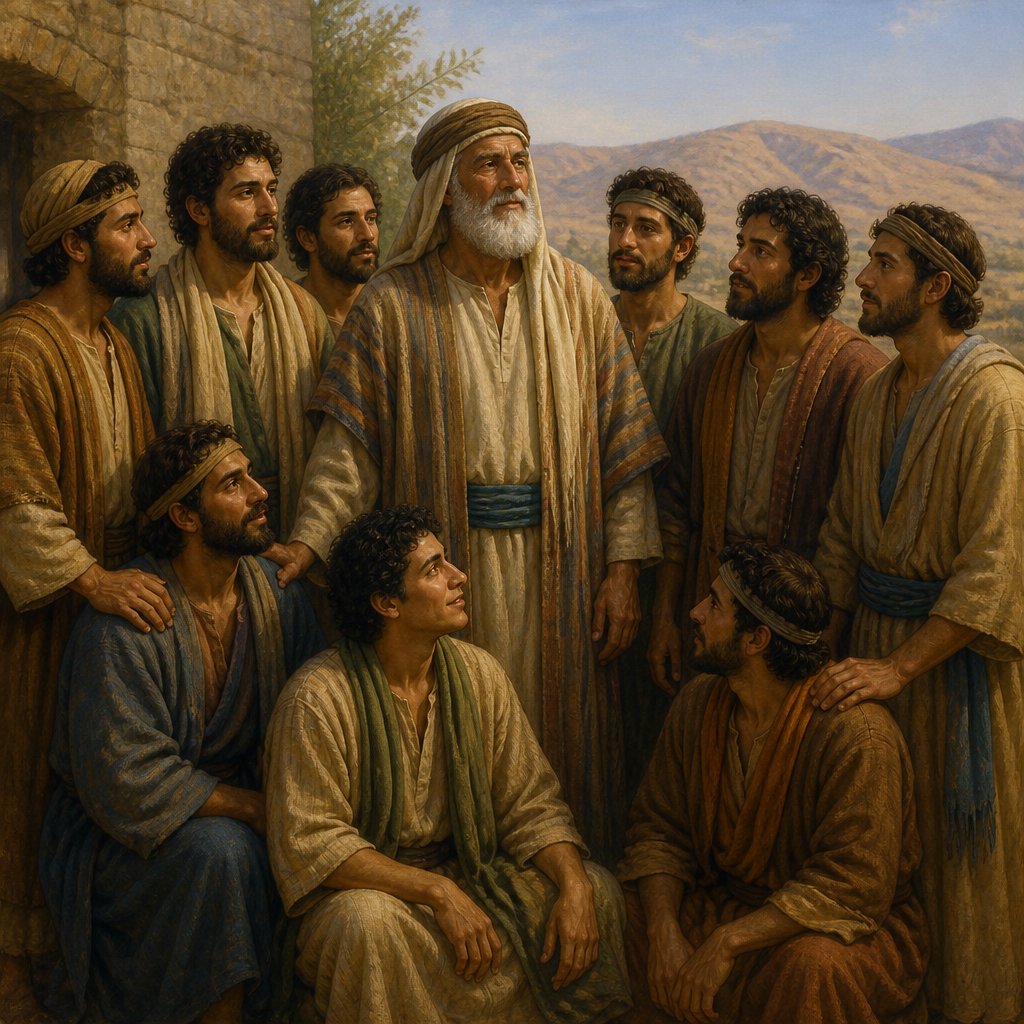
1 Chronicles 7:8 (KJV) states: "And the sons of Becher; Zemira, and Joash, and Eliezer, and Elioenai, and Omri, and Jerimoth, and Abiah, and Anathoth, and Alameth. All these are the sons of Becher."
The book of 1 Chronicles is a historical record of the genealogy of Israel, tracing the lineage of the nation from Adam to the time of King David. This particular verse comes from a section that lists the descendants of the tribes of Israel, specifically focusing on the lineage of the tribe of Manasseh. Within this context, the verse serves to provide a detailed record of the descendants of Becher, a son of Ephraim and grandson of Joseph, who was one of the twelve sons of Jacob.
In the broader context of the Bible, genealogical records are given great significance. They not only serve to provide historical documentation, but they also emphasize the continuity of God's covenant with the nation of Israel. The detailed recording of lineages was important for establishing tribal identity and inheritance rights within the community. It also had religious significance, as the lineage of King David, and ultimately Jesus Christ, was traced through the genealogies in the Old Testament.
The repetition of the phrase "the sons of Becher" in the verse highlights the importance placed on lineage and, by extension, the preservation of family and tribal identity. Through the meticulous listing of names, the verse emphasizes the continuity and cohesion of the tribe of Manasseh, reaffirming the ancestral heritage and shared bond of the descendants of Becher.
Additionally, the names themselves carry symbolic and thematic significance. Zemira means "song" or "joyful melody", Joash means "whom Jehovah bestowed or given", Eliezer means "God is help", Elioenai means "unto God are my eyes", Omri means "long life", Jerimoth means "heights" or "elevations", Abiah means "my father is Yahweh", Anathoth refers to a city in the tribe of Benjamin, and Alameth means "concealment" or "covering". These names, reflecting attributes, aspirations, and the faith of the individuals, not only provide a glimpse into the character of the descendants of Becher but also highlight faith in God and the hope and blessings bestowed upon them.
Furthermore, the verse underscores the significance of individual identity within the collective. Each individual mentioned has a unique name and, by extension, a unique place within the tribe. This highlights the value of each person within the community and emphasizes the importance of recognizing and preserving individuality within the context of the larger family and tribe. This emphasis on the individual within the collective is a recurring theme throughout the Bible and serves as a reminder of the inherent worth and purpose of each person in the eyes of God.
In conclusion, 1 Chronicles 7:8, with its detailed listing of the descendants of Becher, serves as a reminder of the importance of lineage and familial identity within the history of Israel. The verse emphasizes the continuity and cohesion of the tribe of Manasseh, the significance of individual names and identities, and ultimately highlights the faith and blessings passed down through the generations. It is a testament to the value of preserving and honoring the shared heritage and individuality of each member within the community.
Get our apps


Artwork for 1 Chronicles 7:8
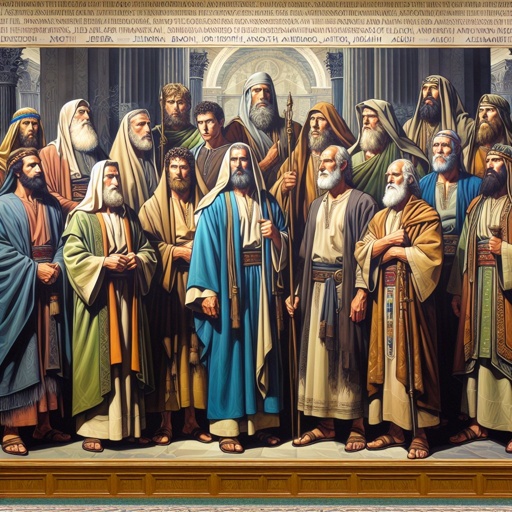
1 Chronicles 7:8 - "And the sons of Becher; Zemira, and Joash, and Eliezer, and Elioenai, and Omri, and Jerimoth, and Abiah, and Anathoth, and Alameth. All these are the sons of Becher."
"And the sons of Becher; Zemira, and Joash, and Eliezer, and Elioenai, and Omri, and Jerimoth, and Abiah, and Anathoth, and Alameth. All these are the sons of Becher." - 1 Chronicles 7:8

1 Chronicles 8:7 - "And Naaman, and Ahiah, and Gera, he removed them, and begat Uzza, and Ahihud."
"And Naaman, and Ahiah, and Gera, he removed them, and begat Uzza, and Ahihud." - 1 Chronicles 8:7

1 Chronicles 1:8 - "¶ The sons of Ham; Cush, and Mizraim, Put, and Canaan."

1 chronicles 12:8

1 Chronicles 8:31 - "And Gedor, and Ahio, and Zacher."

1 Chronicles 8:20 - "And Elienai, and Zilthai, and Eliel,"

1 Chronicles 8:19 - "And Jakim, and Zichri, and Zabdi,"

1 Chronicles 8:24 - "And Hananiah, and Elam, and Antothijah,"

1 Chronicles 1:7 - "And the sons of Javan; Elishah, and Tarshish, Kittim, and Dodanim."

1 Chronicles 8:5 - "And Gera, and Shephuphan, and Huram."

1 Chronicles 8:26 - "And Shamsherai, and Shehariah, and Athaliah,"

1 Chronicles 8:22 - "And Ishpan, and Heber, and Eliel,"

1 Chronicles 8:14 - "And Ahio, Shashak, and Jeremoth,"

1 Chronicles 2:8 - "And the sons of Ethan; Azariah."

1 Chronicles 8:23 - "And Abdon, and Zichri, and Hanan,"

1 Chronicles 8:4 - "And Abishua, and Naaman, and Ahoah,"

1 Chronicles 8:15 - "And Zebadiah, and Arad, and Ader,"

2 Chronicles 8:7 - "¶ As for all the people that were left of the Hittites, and the Amorites, and the Perizzites, and the Hivites, and the Jebusites, which were not of Israel,"

1 Chronicles 14:7 - "And Elishama, and Beeliada, and Eliphalet."

1 Chronicles 3:7 - "And Nogah, and Nepheg, and Japhia,"

1 Chronicles 8:2 - "Nohah the fourth, and Rapha the fifth."

1 Chronicles 3:8 - "And Elishama, and Eliada, and Eliphelet, nine."

1 Chronicles 7:27 - "Non his son, Jehoshua his son."

1 Chronicles 8:17 - "And Zebadiah, and Meshullam, and Hezeki, and Heber,"

1 Chronicles 24:8 - "The third to Harim, the fourth to Seorim,"

1 Chronicles 8:25 - "And Iphedeiah, and Penuel, the sons of Shashak;"

1 Chronicles 23:7 - "¶ Of the Gershonites were, Laadan, and Shimei."

1 Chronicles 8:21 - "And Adaiah, and Beraiah, and Shimrath, the sons of Shimhi;"