What does 1 Corinthians 11:15 mean?
“But if a woman have long hair, it is a glory to her: for her hair is given her for a covering.” — 1 Corinthians 11:15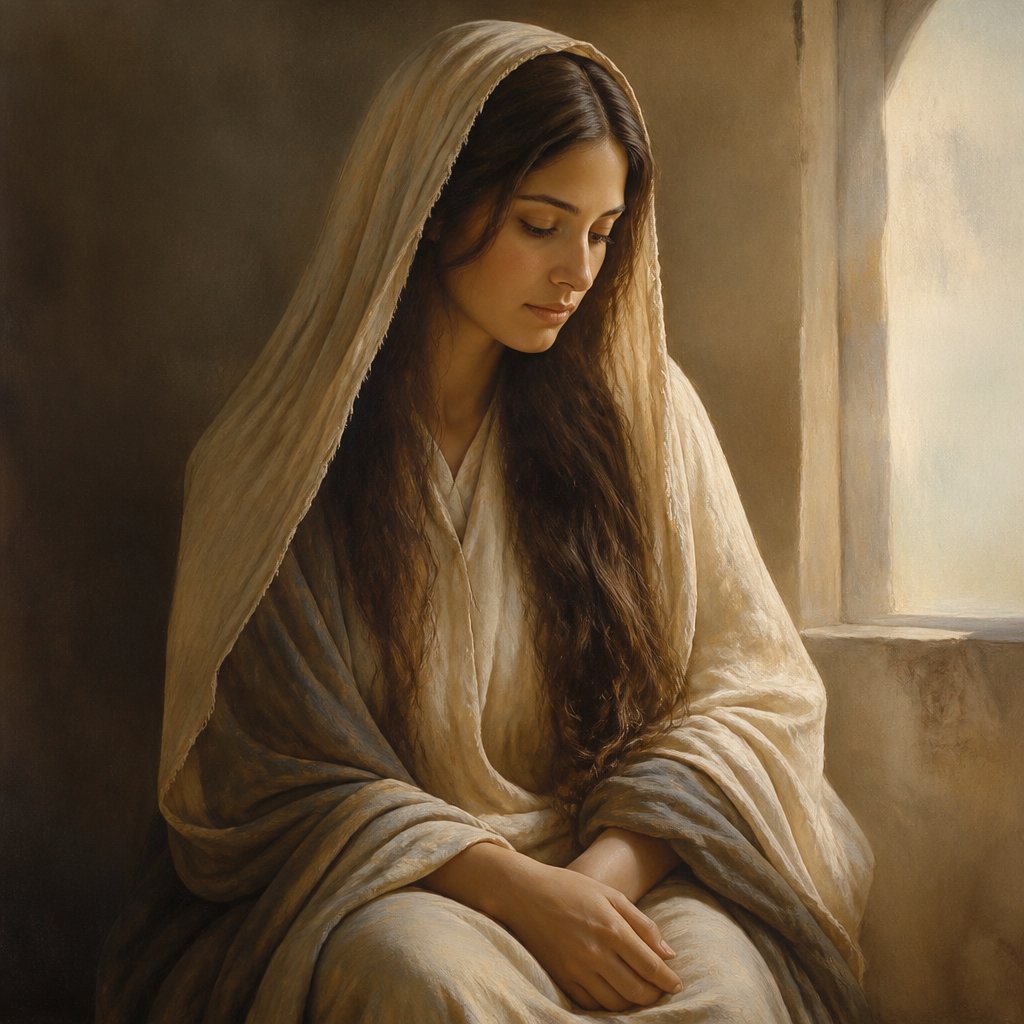
1 Corinthians 11:15 (KJV) states, "But if a woman have long hair, it is a glory to her: for her hair is given her for a covering."
One of the most debated and controversial passages in the New Testament, 1 Corinthians 11:15 has been interpreted in various ways over the centuries. In order to understand the full meaning and significance of this verse, it is essential to consider the historical and cultural context in which it was written, as well as the broader themes and symbolism present in the passage.
Contextually, the Apostle Paul is addressing the Corinthians about the order and structure of the church, particularly concerning the behavior and appearance of men and women during worship services. This passage is situated within a larger discussion about head coverings and gender roles within the church community. It is important to note that during the time of Paul's writing, cultural norms and expectations regarding gender and appearance were very different from those of today.
In the first part of 1 Corinthians 11, Paul establishes the hierarchical structure of authority within the church, stating that "the head of every man is Christ, and the head of the woman is man, and the head of Christ is God" (1 Corinthians 11:3, KJV). He goes on to discuss the appropriate attire for men and women during worship, emphasizing the importance of maintaining an outward appearance that aligns with the established social norms and spiritual order.
When Paul says, "But if a woman have long hair, it is a glory to her," he is acknowledging the cultural significance of hair as a symbol of femininity and beauty. In ancient Greek and Roman societies, long hair was often associated with a woman's virtue, purity, and societal role. By using the term "glory," Paul is affirming the value and honor that society placed on a woman's long hair.
Paul continues by stating, "for her hair is given her for a covering." This has been widely interpreted as an indication that a woman's natural long hair serves as a symbol of her submission and respect for authority within the church. In this sense, her hair acts as a 'covering' in the same way that a physical headcovering or veil would symbolize her humility and submission to the established order.
The symbolism present in 1 Corinthians 11:15 ties into broader themes of submission, humility, and the spiritual significance of outward appearances. Paul's teachings emphasize the importance of upholding traditional gender roles and maintaining a sense of order and decorum within the church community. At the same time, this passage has been the subject of much debate and controversy, particularly in modern times, as attitudes towards gender roles and outward appearances have evolved.
In summary, 1 Corinthians 11:15 serves as a reflection of the cultural and societal norms of the time, as well as a reminder of the importance of humility, submission, and respecting established authority within the church community. When approaching this verse, it is crucial to consider the historical context in which it was written, as well as the broader themes and symbolism present in Paul's teachings. Ultimately, the interpretation and application of this passage will vary among individuals and denominations, but its enduring impact on discussions of gender, spirituality, and social expectations cannot be ignored.
Get our apps


Artwork for 1 Corinthians 11:15

1 Corinthians 11:15 - "But if a woman have long hair, it is a glory to her: for her hair is given her for a covering."

"But if a woman have long hair, it is a glory to her: for her hair is given her for a covering." - 1 Corinthians 11:15

1 Corinthians 15:8-11

1 Corinthians 15:11 - "Therefore whether it were I or they, so we preach, and so ye believed."

1 Corinthians 15:36

"Therefore whether it were I or they, so we preach, and so ye believed." - 1 Corinthians 15:11

1 Corinthians 15:13 - "But if there be no resurrection of the dead, then is Christ not risen:"

1 Corinthians 15:51-52

1 Corinthians 15:51-52

1 Corinthians 15:51-52

1 Corinthians 11:26-29

1 Corinthians 11:26-29

1 Corinthians 15:5 - "And that he was seen of Cephas, then of the twelve:"

1 Corinthians 15:16 - "For if the dead rise not, then is not Christ raised:"

1 Corinthians 15:26 - "The last enemy that shall be destroyed is death."

1 Corinthians 15:51-52

1 Corinthians 11:8 - "For the man is not of the woman; but the woman of the man."

2 Corinthians 11:15 - "Therefore it is no great thing if his ministers also be transformed as the ministers of righteousness; whose end shall be according to their works."

1 Corinthians 11:1 - "Be ye followers of me, even as I also am of Christ."

1 Corinthians 15:7 - "After that, he was seen of James; then of all the apostles."

1 Corinthians 11:11 - "Nevertheless neither is the man without the woman, neither the woman without the man, in the Lord."

1 Corinthians 1:15 - "Lest any should say that I had baptized in mine own name."

1 Corinthians 15:30 - "And why stand we in jeopardy every hour?"

1 Corinthians 15:56 - "The sting of death is sin; and the strength of sin is the law."

1 Corinthians 15:48 - "As is the earthy, such are they also that are earthy: and as is the heavenly, such are they also that are heavenly."

1 Corinthians 15:33 - "Be not deceived: evil communications corrupt good manners."

1 Corinthians 15:18 - "Then they also which are fallen asleep in Christ are perished."

1 Corinthians 15:36 - "Thou fool, that which thou sowest is not quickened, except it die:"

1 Corinthians 15:42 - "So also is the resurrection of the dead. It is sown in corruption; it is raised in incorruption:"

1 Corinthians 11:9 - "Neither was the man created for the woman; but the woman for the man."