What does 1 Corinthians 15:12-13 mean?
“Now if Christ be preached that he rose from the dead, how say some among you that there is no resurrection of the dead? But if there be no resurrection of the dead, then is Christ not risen:” — 1 Corinthians 15:12-13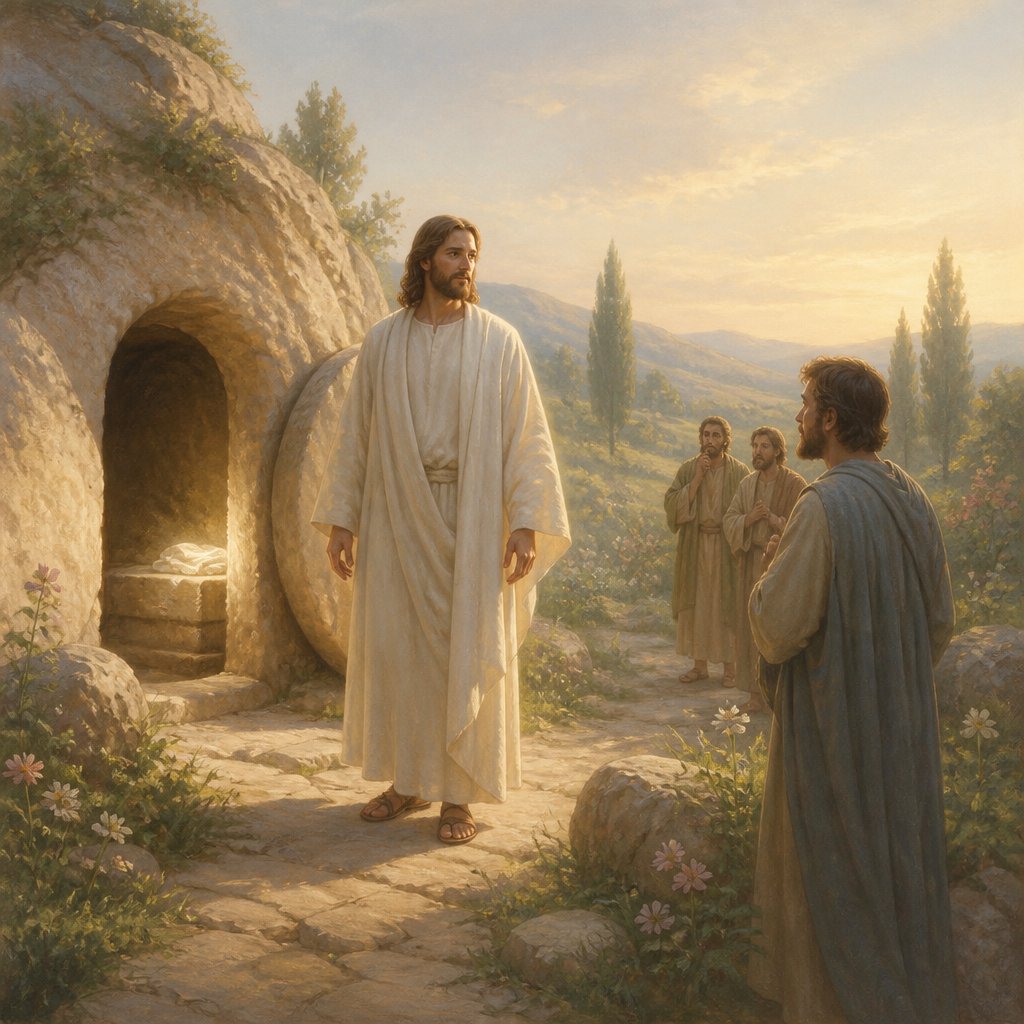
1 Corinthians 15:12-13 (KJV) states:
"Now if Christ be preached that he rose from the dead, how say some among you that there is no resurrection of the dead? But if there be no resurrection of the dead, then is Christ not risen."
This passage from the first letter of Paul to the Corinthians addresses a debate within the early Christian community regarding the resurrection of the dead, particularly in the context of Christ's resurrection. The themes of resurrection, faith, and the centrality of the resurrection to the Christian faith are central to this passage.
In order to understand the significance of this passage, it is important to consider the broader context in which it is situated. The first letter to the Corinthians was written by the apostle Paul to address various issues and conflicts that had arisen in the church in Corinth. The Corinthians were struggling with issues of division, immorality, and spiritual gifts, among other things. In chapter 15, Paul specifically addresses the issue of the resurrection of the dead, a topic that was causing disagreement and confusion among the Corinthians.
The passage begins with the statement, "Now if Christ be preached that he rose from the dead," emphasizing the central Christian belief in the resurrection of Jesus Christ. Paul reminds the Corinthians that the preaching of Christ's resurrection is central to the Christian faith. He then questions how some among them can deny the resurrection of the dead when they have already accepted the resurrection of Christ. This highlights the inconsistency in the Corinthians' beliefs and the need for them to affirm the resurrection as a fundamental aspect of their faith.
Paul then presents a logical argument to demonstrate the essential nature of the resurrection to the Christian faith. He asserts that if there is no resurrection of the dead, then Christ has not been raised from the dead. This presents a direct challenge to those who deny the resurrection, as it suggests that their denial undermines the very basis of their faith. If Christ has not been raised, then the Christian faith is in vain and devoid of meaning.
The passage from 1 Corinthians 15:12-13 underscores the central importance of the resurrection to the Christian faith. It emphasizes the interconnectedness of Christ's resurrection and the hope of resurrection for believers. It also highlights the significance of the resurrection as evidence of Christ's victory over sin and death, and as the basis for the hope of eternal life for believers.
In addition to its theological significance, this passage also carries a message of encouragement and exhortation for believers. It reminds them of the certainty of the resurrection and the hope that it brings, even in the face of doubt and skepticism. By affirming the reality of the resurrection, Paul seeks to strengthen the Corinthians' faith and to remind them of the transformative power of Christ's resurrection in their lives.
In terms of symbolism, the resurrection serves as a powerful symbol of new life, transformation, and the defeat of death. It represents the fulfillment of God's promises and the hope of eternal life for believers. The denial of the resurrection, as discussed in this passage, symbolizes a rejection of the core message of the Christian faith and the loss of hope for the future.
In conclusion, 1 Corinthians 15:12-13 is a poignant reminder of the central importance of the resurrection to the Christian faith. It addresses the doubts and denials of the Corinthians, challenging them to affirm the reality of the resurrection and its significance for their faith. Through this passage, Paul underscores the transformative power of Christ's resurrection and the hope that it brings to believers. It serves as a timeless reminder of the centrality of the resurrection to the Christian faith and the hope that it holds for all who believe.
Get our apps


Artwork for 1 Corinthians 15:12-13

1 Corinthians 15:12-13 - "Now if Christ is proclaimed as raised from the dead, how can some of you say there is no resurrection of the dead? If there is no resurrection of the dead, then Christ has not been raised."
"Now if Christ is proclaimed as raised from the dead, how can some of you say there is no resurrection of the dead? If there is no resurrection of the dead, then Christ has not been raised." - 1 Corinthians 15:12-13

1 Corinthians 12:12-13

1 Corinthians 15:13 - "But if there be no resurrection of the dead, then is Christ not risen:"

1 Corinthians 12:3-13
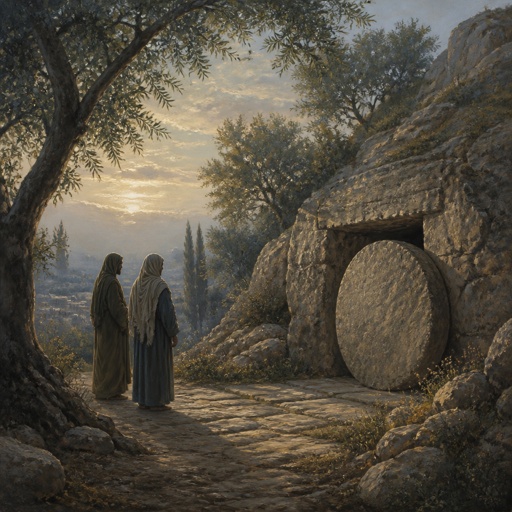
"But if there be no resurrection of the dead, then is Christ not risen:" - 1 Corinthians 15:13

1 Corinthians 13:12 – "For now we see only a reflection as in a mirror; then we shall see face to face."

1 Corinthians 13:12 – "For now we see only a reflection as in a mirror; then we shall see face to face."

1 Corinthians 13:12 – "For now we see only a reflection as in a mirror; then we shall see face to face."

1 Corinthians 12:15 - "If the foot shall say, Because I am not the hand, I am not of the body; is it therefore not of the body?"

1 Corinthians 15:12 - "Now if Christ be preached that he rose from the dead, how say some among you that there is no resurrection of the dead?"

1 Corinthians 13:12 – "For now we see only a reflection as in a mirror; then we shall see face to face."

1 Corinthians 13:12 – "For now we see only a reflection as in a mirror; then we shall see face to face."
![1 Corinthians 13:13
1 Corinthians 13:13
[13] So now faith, hope, and love abide, these three; but the greatest of these is love. (ESV)](https://media.bible.art/3da57222-9f49-4158-a2a3-7a49b5dc4437-thumbnail.jpg)
1 Corinthians 13:13 1 Corinthians 13:13 [13] So now faith, hope, and love abide, these three; but the greatest of these is love. (ESV)

2 Corinthians 13:12 - "Greet one another with an holy kiss."

1 corinthians 13: 12 - create an image of a young man looking into the face of jesus which is filled with love

"For now we see through a glass, darkly; but then face to face: now I know in part; but then shall I know even as also I am known." - 1 Corinthians 13:12

"For now we see through a glass, darkly; but then face to face: now I know in part; but then shall I know even as also I am known." - 1 Corinthians 13:12

1 Corinthians 13:13

1 Corinthians 13 :13

1 Corinthians 13:12 - "For now we see through a glass, darkly; but then face to face: now I know in part; but then shall I know even as also I am known."

1 Corinthians 12:12

1 corinthians 2:12

1 corinthians 2:12

1 Corinthians 15:36

1 corinthians 13: 12 - create an image of a young woman walking towards jesus, jesus has outstretched arms and a welcoming face

1 Corinthians 12:13 - "For by one Spirit are we all baptized into one body, whether we be Jews or Gentiles, whether we be bond or free; and have been all made to drink into one Spirit."

1 corinthians 2:12

1 corinthians 2:12

1 Corinthians 13:4-6