What does 1 Corinthians 15:28 mean?
“And when all things shall be subdued unto him, then shall the Son also himself be subject unto him that put all things under him, that God may be all in all.” — 1 Corinthians 15:28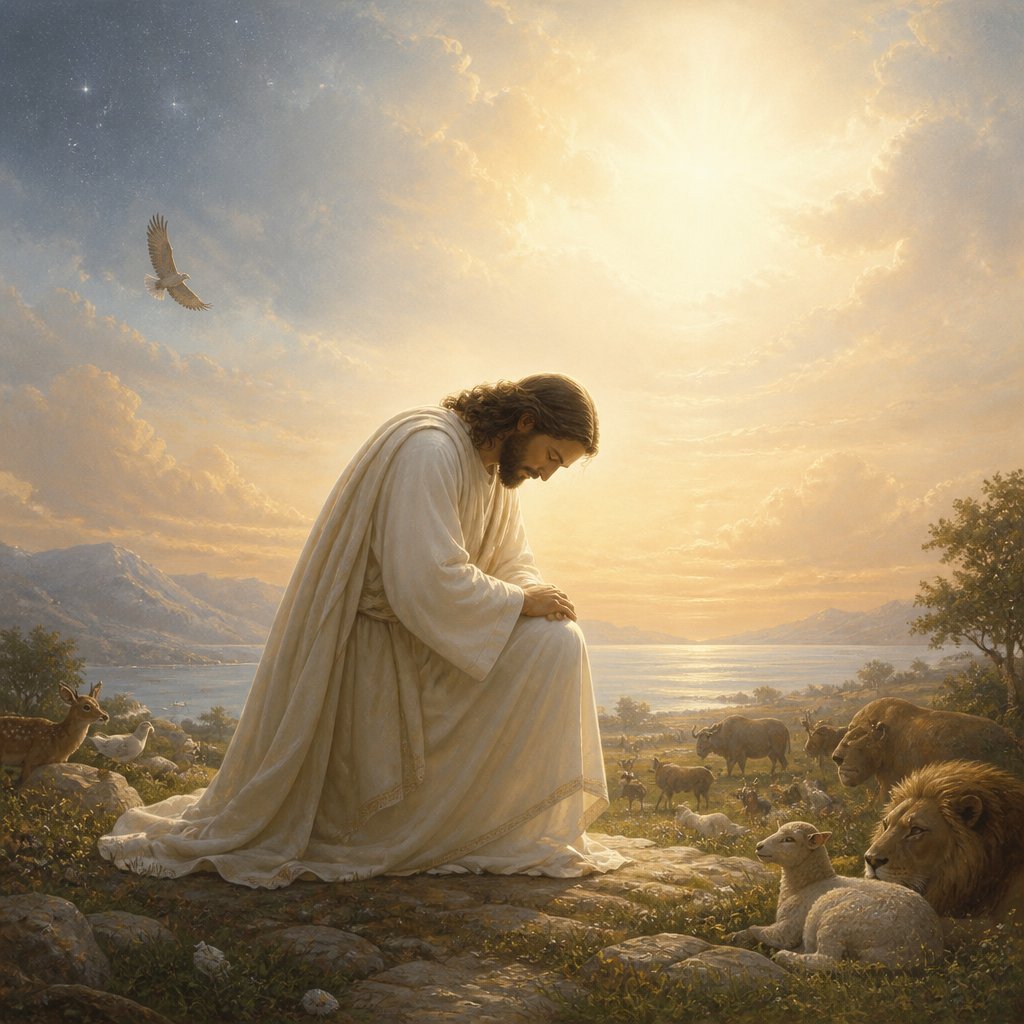
1 Corinthians 15:28 (KJV) says, "And when all things shall be subdued unto him, then shall the Son also himself be subject unto him that put all things under him, that God may be all in all."
This verse is part of the larger context of 1 Corinthians 15, which is often described as the "resurrection chapter" of the Bible. In this chapter, the Apostle Paul discusses the resurrection of Christ, the resurrection of believers, and the victory over death that comes through Christ. 1 Corinthians 15:28 specifically deals with the subjection of all things to Christ and ultimately to God.
When examining the deeper meaning and commentary of 1 Corinthians 15:28, it is important to consider the broader themes of the chapter and the historical and cultural context in which it was written.
First and foremost, the verse highlights the ultimate authority and sovereignty of God. It suggests that all things will be subjected to Christ, and ultimately to God, indicating that God's divine power and control are above all else. This theme of divine sovereignty is a consistent thread throughout the Bible, emphasizing the unchanging and all-powerful nature of God.
Additionally, the verse speaks to the concept of submission and humility. It portrays Christ as willingly subjecting himself to the will of God, emphasizing the humility and obedience of Christ as the ultimate example for believers. This theme of humility and submission echoes throughout the New Testament, with numerous passages calling believers to follow Christ's example of selflessness and obedience.
Furthermore, the verse underscores the unity and harmony within the Godhead. It speaks to the seamless relationship between the Father and the Son, highlighting their perfect alignment and mutual submission. This concept of unity within the Trinity is a foundational belief in Christian theology, illustrating the close relationship and shared purpose within the Godhead.
In addition to these themes, 1 Corinthians 15:28 also holds significant symbolic value. The verse serves as a reminder of the redemptive work of Christ and the ultimate victory that is achieved through his death and resurrection. It symbolizes the complete restoration and reconciliation of all things to God, highlighting the transformative power of Christ's sacrifice.
From a historical and cultural context, it is important to note that the church in Corinth was dealing with various divisions and conflicts. This verse would have served as a unifying message, reminding believers of the ultimate authority of God and the importance of humility and submission, regardless of their personal differences.
In conclusion, 1 Corinthians 15:28 embodies profound theological significance, emphasizing themes of divine sovereignty, humility, unity within the Godhead, and the redemptive work of Christ. Its historical and cultural context further enhances the depth of its message, offering a timeless reminder of the unchanging power and authority of God, and the transformative impact of Christ's sacrifice.
Get our apps


Artwork for 1 Corinthians 15:28

1 Corinthians 15:28 - "And when all things shall be subdued unto him, then shall the Son also himself be subject unto him that put all things under him, that God may be all in all."
"And when all things shall be subdued unto him, then shall the Son also himself be subject unto him that put all things under him, that God may be all in all." - 1 Corinthians 15:28

1 Corinthians 15:36

1 Corinthians 15:13 - "But if there be no resurrection of the dead, then is Christ not risen:"

1 Corinthians 15:51-52

1 Corinthians 15:51-52

1 Corinthians 15:51-52

1 Samuel 28:15

Exodus 28:15-30

1 Corinthians 15:5 - "And that he was seen of Cephas, then of the twelve:"

1 Corinthians 15:16 - "For if the dead rise not, then is not Christ raised:"

1 Corinthians 15:26 - "The last enemy that shall be destroyed is death."

1 Corinthians 15:51-52

1 Corinthians 1:28 - "And base things of the world, and things which are despised, hath God chosen, yea, and things which are not, to bring to nought things that are:"

1 Corinthians 15:8-11

1 Corinthians 11:28 - "But let a man examine himself, and so let him eat of that bread, and drink of that cup."

1 Corinthians 14:28 - "But if there be no interpreter, let him keep silence in the church; and let him speak to himself, and to God."

1 Corinthians 15:7 - "After that, he was seen of James; then of all the apostles."

1 Corinthians 1:15 - "Lest any should say that I had baptized in mine own name."

1 Samuel 28:15-20

1 Samuel 28:15-19

1 Corinthians 15:30 - "And why stand we in jeopardy every hour?"

1 Corinthians 15:48 - "As is the earthy, such are they also that are earthy: and as is the heavenly, such are they also that are heavenly."

1 Corinthians 15:56 - "The sting of death is sin; and the strength of sin is the law."

1 Corinthians 15:33 - "Be not deceived: evil communications corrupt good manners."

1 Corinthians 15:18 - "Then they also which are fallen asleep in Christ are perished."

1 Corinthians 15:36 - "Thou fool, that which thou sowest is not quickened, except it die:"

1 Corinthians 15:42 - "So also is the resurrection of the dead. It is sown in corruption; it is raised in incorruption:"

1 Samuel 28:15 Saul is desperate

1 Corinthians 1:28-29 - "God chose what is low and despised in the world, even things that are not, to bring to nothing things that are, so that no human being might boast in the presence of God."