What does 1 Corinthians 15:32 mean?
“If after the manner of men I have fought with beasts at Ephesus, what advantageth it me, if the dead rise not? let us eat and drink; for to morrow we die.” — 1 Corinthians 15:32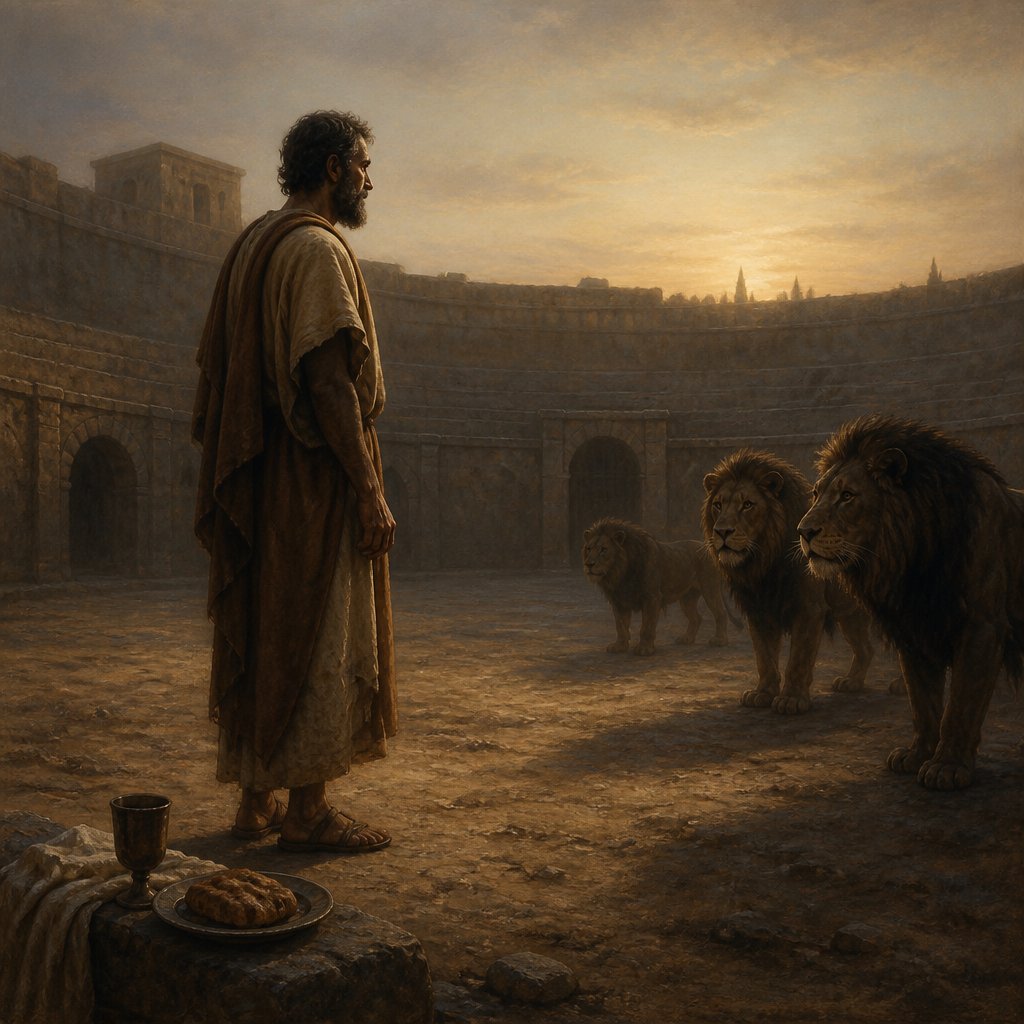
1 Corinthians 15:32 (KJV) says, "If after the manner of men I have fought with beasts at Ephesus, what advantageth it me, if the dead rise not? let us eat and drink; for to morrow we die."
This verse is part of the larger context of 1 Corinthians 15, where the apostle Paul addresses the topic of the resurrection of the dead. In this particular verse, Paul is expressing his distress at the prospect of persecution and death, and questioning the purpose and significance of enduring such hardship if there is no hope of life after death.
The verse begins with Paul's reference to his experience in Ephesus, where he metaphorically speaks of fighting with beasts. It is unclear whether Paul is referring to a literal animal fight or using the phrase as a metaphor for the intense opposition and persecution he faced in the city. Regardless, the imagery conveys the danger and struggle he endured for the sake of his faith and ministry.
Paul then raises a thought-provoking question: "What advantageth it me, if the dead rise not?" This rhetorical question emphasizes the futility of enduring suffering and persecution if there is no hope of resurrection and eternal life. Paul is essentially asking, what is the point of sacrificing and laboring for the sake of the gospel if there is no ultimate reward in the afterlife?
The verse concludes with a seemingly nihilistic statement: "let us eat and drink; for to morrow we die." This phrase reflects the perspective of someone who sees no purpose in striving for righteousness and self-denial if there is no hope beyond this life. It echoes the sentiment of "eat, drink, and be merry, for tomorrow we die," which reflects a hedonistic and pleasure-seeking mindset.
In this verse, Paul uses vivid and poignant language to convey the despair and hopelessness that would result if there were no hope of resurrection. His words serve to highlight the central importance of the resurrection in the Christian faith and the significance of eternal life in shaping one's perspective on suffering and persecution.
The themes present in this verse are the reality of suffering and persecution for the sake of faith, the hope of resurrection and eternal life, and the contrast between worldly despair and the assurance of a future hope. It also touches on the concept of living for the present versus living for an eternal purpose.
The broader context of 1 Corinthians 15 provides further insight into the significance of the resurrection in the Christian faith. Paul goes on to elaborate on the transformative power of the resurrection, the victory over death and sin, and the assurance of a future hope for believers. He emphasizes the centrality of the resurrection to the Christian gospel and the profound implications it has for the lives of believers.
In terms of symbolism, the reference to fighting with beasts at Ephesus can be seen as representing the intense spiritual warfare and opposition that believers face in the world. The metaphor of beasts may symbolize the forces of evil and persecution that seek to undermine and destroy the faith of Christians. Paul's questioning of the purpose of enduring such trials without the hope of resurrection symbolizes the struggle to find meaning and purpose in the face of suffering and adversity.
Overall, 1 Corinthians 15:32 serves as a powerful reminder of the significance of the resurrection in the Christian faith and the hope it provides in the midst of suffering and persecution. It challenges believers to live with an eternal perspective and to find strength and purpose in the assurance of life beyond the grave.
Get our apps


Artwork for 1 Corinthians 15:32
1 Corinthians 15:32 - "If after the manner of men I have fought with beasts at Ephesus, what advantageth it me, if the dead rise not? let us eat and drink; for to morrow we die."
"If after the manner of men I have fought with beasts at Ephesus, what advantageth it me, if the dead rise not? let us eat and drink; for to morrow we die." - 1 Corinthians 15:32

1 Corinthians 14:32 - "And the spirits of the prophets are subject to the prophets."

1 Corinthians 15:36

1 Corinthians 11:32 - "But when we are judged, we are chastened of the Lord, that we should not be condemned with the world."

1 Corinthians 10:32 - "Give none offence, neither to the Jews, nor to the Gentiles, nor to the church of God:"

"And the spirits of the prophets are subject to the prophets." - 1 Corinthians 14:32

1 Corinthians 15:13 - "But if there be no resurrection of the dead, then is Christ not risen:"

1 Corinthians 15:51-52

1 Corinthians 15:51-52

1 Corinthians 15:51-52

1 Corinthians 15:5 - "And that he was seen of Cephas, then of the twelve:"

1 Corinthians 15:16 - "For if the dead rise not, then is not Christ raised:"

1 Corinthians 15:26 - "The last enemy that shall be destroyed is death."

1 Corinthians 15:51-52

1 Corinthians 15:8-11

1 Corinthians 15:7 - "After that, he was seen of James; then of all the apostles."

1 Corinthians 1:15 - "Lest any should say that I had baptized in mine own name."

1 Kings 15:32 - "And there was war between Asa and Baasha king of Israel all their days."

1 Corinthians 15:30 - "And why stand we in jeopardy every hour?"

1 Corinthians 15:48 - "As is the earthy, such are they also that are earthy: and as is the heavenly, such are they also that are heavenly."

1 Corinthians 15:56 - "The sting of death is sin; and the strength of sin is the law."

1 Corinthians 15:33 - "Be not deceived: evil communications corrupt good manners."

1 Corinthians 15:18 - "Then they also which are fallen asleep in Christ are perished."

1 Corinthians 7:32 - "But I would have you without carefulness. He that is unmarried careth for the things that belong to the Lord, how he may please the Lord:"

1 Corinthians 15:36 - "Thou fool, that which thou sowest is not quickened, except it die:"

1 Corinthians 15:42 - "So also is the resurrection of the dead. It is sown in corruption; it is raised in incorruption:"

1 Corinthians 15:43 - "It is sown in dishonour; it is raised in glory: it is sown in weakness; it is raised in power:"

1 Corinthians 15:53 - "For this corruptible must put on incorruption, and this mortal must put on immortality."

1 Corinthians 15:47 - "The first man is of the earth, earthy: the second man is the Lord from heaven."