What does 1 Corinthians 1:26 mean?
“For ye see your calling, brethren, how that not many wise men after the flesh, not many mighty, not many noble, are called:” — 1 Corinthians 1:26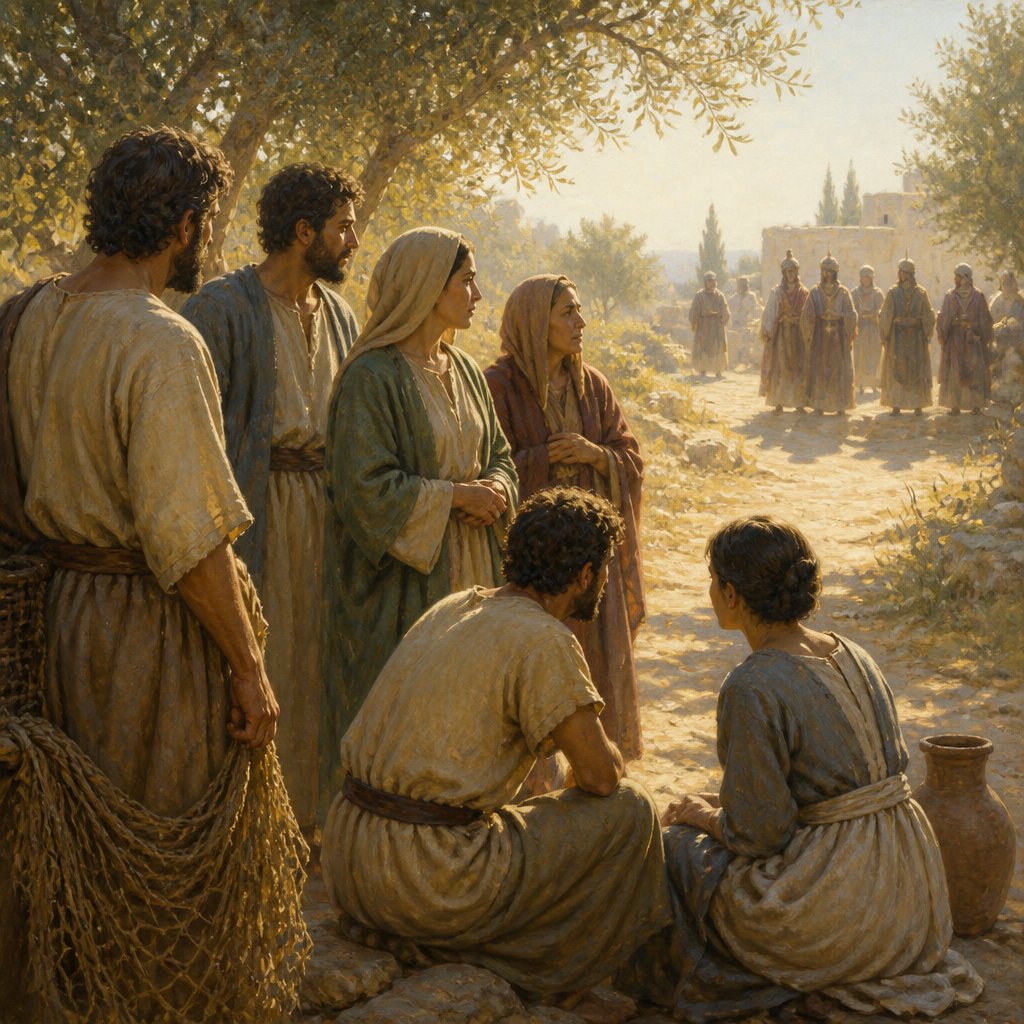
1 Corinthians 1:26 (KJV) states, "For ye see your calling, brethren, how that not many wise men after the flesh, not many mighty, not many noble, are called."
This verse is part of a larger passage in which the apostle Paul addresses the Corinthian church. In this particular section of his letter, Paul is emphasizing the paradoxical nature of the gospel message and how it stands in contrast to the wisdom of the world. He begins by reminding the Corinthians of their humble origins, highlighting that many of them were not considered wise, powerful, or of noble birth according to societal standards.
The underlying theme of this verse is the upside-down nature of the kingdom of God. In the eyes of the world, success and power are often associated with wisdom and nobility. However, Paul is pointing out that God's criteria for calling and using people in His kingdom are very different. He deliberately chooses those whom the world might consider unimportant or insignificant to accomplish His purposes.
This verse speaks to the inclusive nature of the gospel and the fact that God's call is not limited to a select few who are esteemed in the eyes of the world. It challenges the prevailing social hierarchy and reinforces the idea that all individuals are equally valued and have a role to play in God's plan.
The context in which this verse is situated is important for a full understanding of its message. In the preceding verses, Paul addresses the divisions and quarreling within the Corinthian church, pointing out that this behavior reflects a worldly mindset rather than the unity that should be characteristic of followers of Christ. He goes on to emphasize that it is God who calls and chooses individuals, and His criteria are not based on human standards of wisdom, power, or noble birth.
Symbolism is also present in this verse. The juxtaposition of "wise men after the flesh," "mighty," and "noble" with the calling of the Corinthian believers emphasizes the contrast between worldly values and God's values. The use of these descriptors serves to illustrate the countercultural nature of the gospel message, which disrupts human notions of success and worth.
Overall, 1 Corinthians 1:26 (KJV) carries a powerful message about the inclusive and countercultural nature of God's kingdom. It challenges the Corinthians, and by extension, all believers, to reevaluate their understanding of worth and importance. It reminds them that God's standards are not the same as the world's standards and that His call is not based on worldly wisdom or social status. This passage encourages humility and a recognition of the sovereignty of God in the calling and choosing of His people. It serves as a reminder that in God's eyes, everyone has value and a role to play in His kingdom, regardless of societal status or worldly achievements.
Get our apps


Artwork for 1 Corinthians 1:26

1 Corinthians 1:26 - "For ye see your calling, brethren, how that not many wise men after the flesh, not many mighty, not many noble, are called:"
"For ye see your calling, brethren, how that not many wise men after the flesh, not many mighty, not many noble, are called:" - 1 Corinthians 1:26

1 Corinthians 1:26-28 - "Brothers and sisters, think of what you were when you were called. Not many of you were wise by human standards; not many were influential; not many were of noble birth. But God chose the foolish things of the world to shame the wise; God chose the weak things of the world to shame the strong. God chose the lowly things of this world and the despised things—and the things that are not—to nullify the things that are."
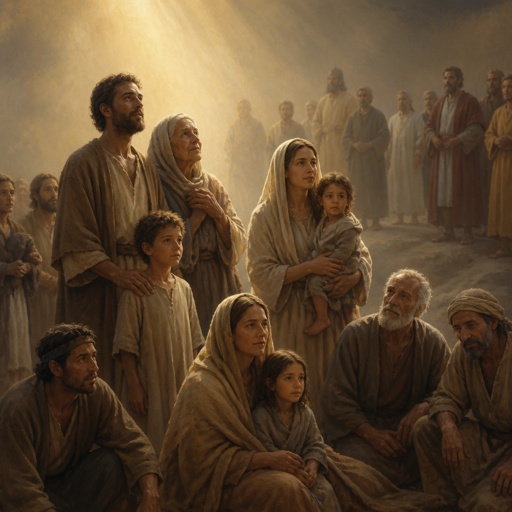
"Brothers and sisters, think of what you were when you were called. Not many of you were wise by human standards; not many were influential; not many were of noble birth. But God chose the foolish things of the world to shame the wise; God chose the weak things of the world to shame the strong. God chose the lowly things of this world and the despised things—and the things that are not—to nullify the things that are." - 1 Corinthians 1:26-28

1 Corinthians 14:26-33

1 Corinthians 10:26 - "For the earth is the Lord's, and the fulness thereof."

1 Corinthians 15:26 - "The last enemy that shall be destroyed is death."

1 Corinthians 11:26-29

1 Corinthians 11:26-29

1 Corinthians 7:26 - "I suppose therefore that this is good for the present distress, I say, that it is good for a man so to be."

1 Corinthians 9:26 - "I therefore so run, not as uncertainly; so fight I, not as one that beateth the air:"

"For the earth is the Lord's, and the fulness thereof." - 1 Corinthians 10:26

"The last enemy that shall be destroyed is death." - 1 Corinthians 15:26

1 Corinthians 12:26 - "And whether one member suffer, all the members suffer with it; or one member be honoured, all the members rejoice with it."

1 Corinthians 11:26 - "For as often as ye eat this bread, and drink this cup, ye do shew the Lord's death till he come."

1 Corinthians 10:26-27 - "for, 'The earth is the Lord’s, and everything in it.' If an unbeliever invites you to a meal and you want to go, eat whatever is put before you without raising questions of conscience."

1 Corinthians 1:19-20

1 Corinthians 1:19-20

1 Corinthians 1:19-20

1 Corinthians 1:19-20

1 Corinthians 1:19-20

1 Corinthians 1:19-20

1 Corinthians 1:19-20

1 Corinthians 1:19-20

1 Corinthians 1:19-20

1 Corinthians 1:19-20

1 Corinthians 14:26 - "How is it then, brethren? when ye come together, every one of you hath a psalm, hath a doctrine, hath a tongue, hath a revelation, hath an interpretation. Let all things be done unto edifying."
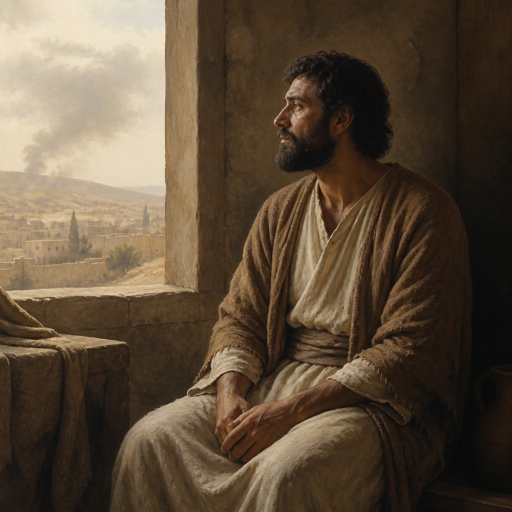
"I suppose therefore that this is good for the present distress, I say, that it is good for a man so to be." - 1 Corinthians 7:26

1 Corinthians 1:19-20

1 Corinthians 1:19-20