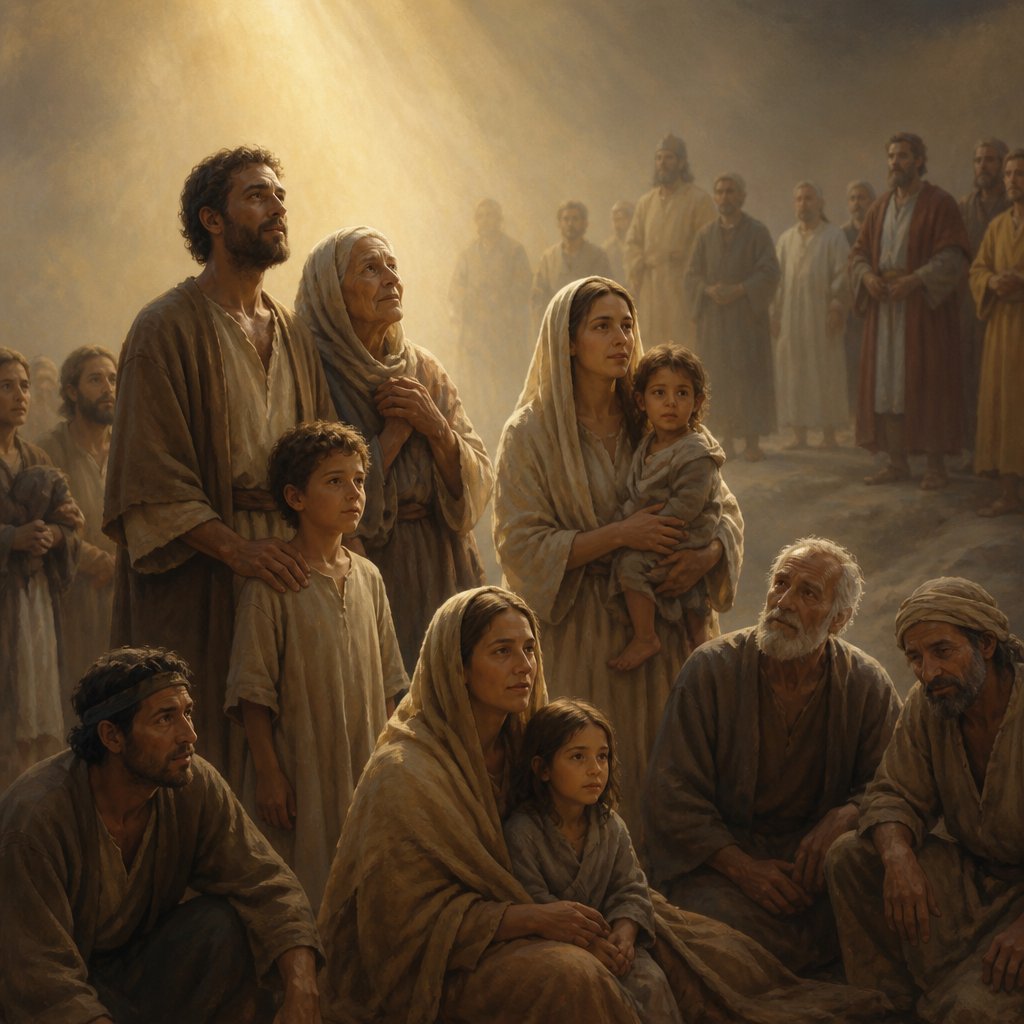
1 Corinthians 1:26-28 from the King James Version (KJV) of the Bible reads:
26 For ye see your calling, brethren, how that not many wise men after the flesh, not many mighty, not many noble, are called:
27 But God hath chosen the foolish things of the world to confound the wise; and God hath chosen the weak things of the world to confound the things which are mighty;
28 And base things of the world, and things which are despised, hath God chosen, yea, and things which are not, to bring to nought things that are:
This passage from the first letter to the Corinthians, written by the apostle Paul, addresses the Corinthian believers and emphasizes the unconventional and counterintuitive nature of God's selection and calling of his people. At first glance, this passage may be confusing and even seemingly paradoxical, but upon closer examination, it conveys profound truths about God's character and his ways.
The theme of the passage is centered around God's choice of the weak, foolish, and despised things of the world to accomplish his purposes. It challenges conventional wisdom and worldly standards of success and significance, highlighting God's propensity to work through the unlikeliest of individuals and circumstances.
The context of this passage is crucial to understanding its significance. The apostle Paul is addressing the Corinthian church, which was plagued by divisions and a preoccupation with human wisdom and status. In the preceding verses, Paul rebukes the Corinthians for their divisiveness and emphasizes that it is by God's doing that they are in Christ Jesus (1 Corinthians 1:30). He then goes on to elaborate on the nature of God's calling, specifically emphasizing that not many of those called are wise, mighty, or noble according to worldly standards.
In verse 27, Paul underscores the paradox of God's choice, stating that God has chosen the foolish and weak things of the world to confound the wise and mighty. This challenges the Corinthians' overdependence on human wisdom and power, reminding them that God's ways are not bound by human logic or standards.
The symbolism in this passage is profound and multifaceted. The "foolish," "weak," and "base" things that God has chosen represent the marginalized, the insignificant, and the lowly in the eyes of the world. This symbolism serves to demonstrate God's heart for the oppressed and downtrodden, as well as his ability to bring about transformation and redemption through unexpected and unconventional means.
Furthermore, the emphasis on God's choice of the "things which are not" to bring to nothing the things that are highlights the transformative power of God's kingdom. This symbolism points to the fact that God's kingdom operates on a different plane than the world's systems, and that his ways often confound human understanding.
In conclusion, 1 Corinthians 1:26-28 is a powerful reminder of God's transcendence and his propensity to work through the unconventional and unexpected. It challenges our preconceived notions of success and significance, calling us to embrace God's values and recognize his transformative power in the most unlikely of circumstances. This passage is a call to humility, a challenge to reevaluate our priorities, and an affirmation of God's ability to use even the most overlooked and despised elements of society to bring about his purposes.
Get our apps


Artwork for 1 Corinthians 1:26-28
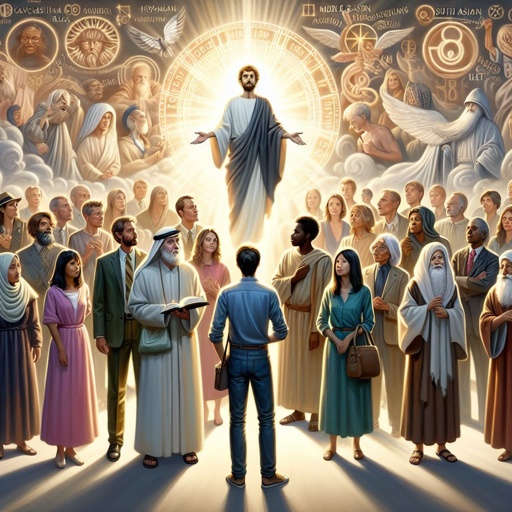
1 Corinthians 1:26-28 - "Brothers and sisters, think of what you were when you were called. Not many of you were wise by human standards; not many were influential; not many were of noble birth. But God chose the foolish things of the world to shame the wise; God chose the weak things of the world to shame the strong. God chose the lowly things of this world and the despised things—and the things that are not—to nullify the things that are."
"Brothers and sisters, think of what you were when you were called. Not many of you were wise by human standards; not many were influential; not many were of noble birth. But God chose the foolish things of the world to shame the wise; God chose the weak things of the world to shame the strong. God chose the lowly things of this world and the despised things—and the things that are not—to nullify the things that are." - 1 Corinthians 1:26-28

1 Corinthians 14:26-33

1 Corinthians 10:26 - "For the earth is the Lord's, and the fulness thereof."

1 Corinthians 15:26 - "The last enemy that shall be destroyed is death."

1 Corinthians 11:26-29

1 Corinthians 11:26-29

1 Corinthians 1:26 - "For ye see your calling, brethren, how that not many wise men after the flesh, not many mighty, not many noble, are called:"

1 Corinthians 1:28 - "And base things of the world, and things which are despised, hath God chosen, yea, and things which are not, to bring to nought things that are:"

1 Corinthians 11:28 - "But let a man examine himself, and so let him eat of that bread, and drink of that cup."

1 Corinthians 1:28-29 - "God chose what is low and despised in the world, even things that are not, to bring to nothing things that are, so that no human being might boast in the presence of God."

1 Corinthians 14:28 - "But if there be no interpreter, let him keep silence in the church; and let him speak to himself, and to God."

1 Corinthians 7:26 - "I suppose therefore that this is good for the present distress, I say, that it is good for a man so to be."

1 Corinthians 9:26 - "I therefore so run, not as uncertainly; so fight I, not as one that beateth the air:"

"For the earth is the Lord's, and the fulness thereof." - 1 Corinthians 10:26
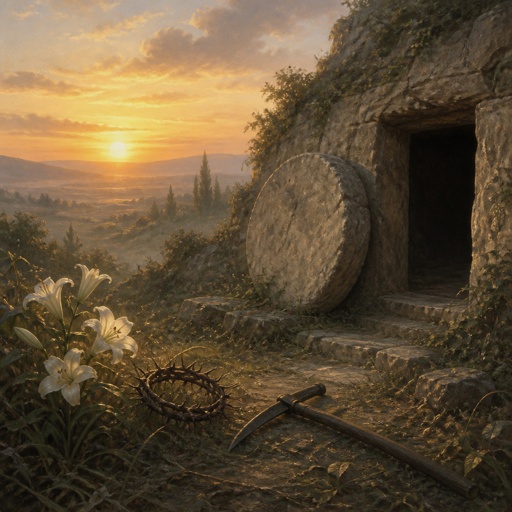
"The last enemy that shall be destroyed is death." - 1 Corinthians 15:26

1 Corinthians 12:26 - "And whether one member suffer, all the members suffer with it; or one member be honoured, all the members rejoice with it."

1 Corinthians 11:26 - "For as often as ye eat this bread, and drink this cup, ye do shew the Lord's death till he come."

1 Corinthians 7:28 - "But and if thou marry, thou hast not sinned; and if a virgin marry, she hath not sinned. Nevertheless such shall have trouble in the flesh: but I spare you."
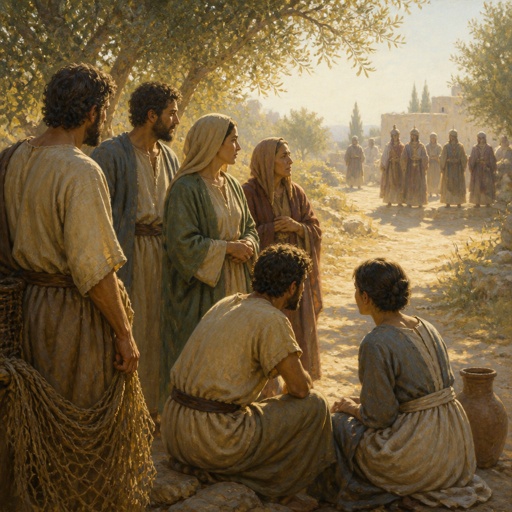
"For ye see your calling, brethren, how that not many wise men after the flesh, not many mighty, not many noble, are called:" - 1 Corinthians 1:26

1 Corinthians 10:28 - "But if any man say unto you, This is offered in sacrifice unto idols, eat not for his sake that shewed it, and for conscience sake: for the earth is the Lord's, and the fulness thereof:"
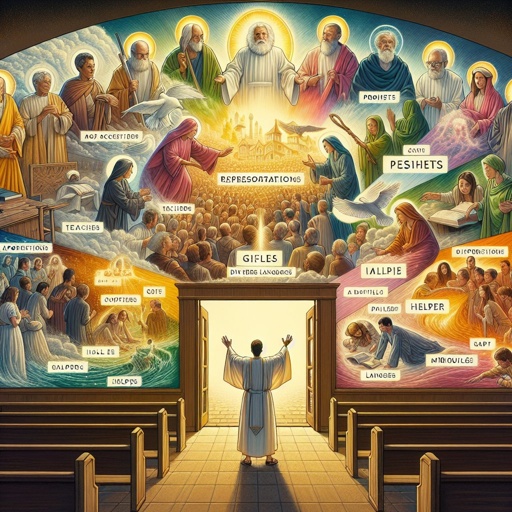
1 Corinthians 12:28 - "And God hath set some in the church, first apostles, secondarily prophets, thirdly teachers, after that miracles, then gifts of healings, helps, governments, diversities of tongues."
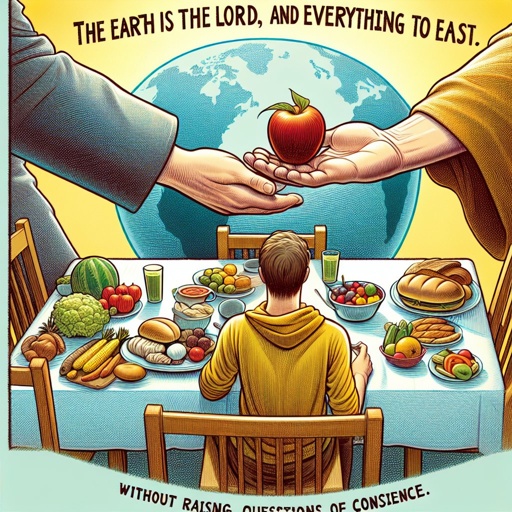
1 Corinthians 10:26-27 - "for, 'The earth is the Lord’s, and everything in it.' If an unbeliever invites you to a meal and you want to go, eat whatever is put before you without raising questions of conscience."

1 Corinthians 15:28 - "And when all things shall be subdued unto him, then shall the Son also himself be subject unto him that put all things under him, that God may be all in all."

"And base things of the world, and things which are despised, hath God chosen, yea, and things which are not, to bring to nought things that are:" - 1 Corinthians 1:28

1 Corinthians 1:19-20

1 Corinthians 1:19-20

1 Corinthians 1:19-20

1 Corinthians 1:19-20

1 Corinthians 1:19-20