What does 1 Corinthians 2:15 mean?
“But he that is spiritual judgeth all things, yet he himself is judged of no man.” — 1 Corinthians 2:15
1 Corinthians 2:15 (KJV) "But he that is spiritual judgeth all things, yet he himself is judged of no man."
The book of 1 Corinthians was written by the apostle Paul to the church in Corinth. In this particular verse, Paul is addressing the spiritual maturity of the believers in Corinth and the ability of those who are spiritual to discern and understand things that are beyond the natural mind.
The verse begins with "But he that is spiritual judgeth all things." Here, Paul is speaking to those who are led by the Spirit of God and have a deep understanding of spiritual matters. These individuals have a discerning spirit and are able to make wise judgments about various situations and people. This doesn't mean that they are passing judgment in a condemning or self-righteous way, but rather they have the ability to see beyond the surface and understand the true nature of things.
The second part of the verse says, "yet he himself is judged of no man." This is a reminder that those who are truly spiritual are not governed by the opinions or judgments of others. Their focus is on living in alignment with God's will and their lives are guided by His truth rather than the standards of the world. They are not easily swayed by the criticisms or judgments of others because their identity and worth are rooted in their relationship with God.
This verse also speaks to the concept of spiritual discernment. In the New Testament, the Greek word used for "judge" is "anakrino," which means to examine, investigate, question, or discern. Therefore, the ability to judge all things spiritually implies the believer's capability to discern and understand things from a spiritual perspective.
In the context of the letter to the Corinthians, Paul was addressing various issues within the church, including divisions, immorality, lawsuits, and questions about marriage and Christian liberty. In this verse, Paul is emphasizing the importance of spiritual wisdom and discernment in navigating these complex issues.
The themes present in this verse include spiritual maturity, discernment, and the relationship between believers and the world. It also touches on the idea of the believer's identity in Christ and their independence from the judgments of others.
Symbolically, this verse represents the contrast between spiritual wisdom and worldly judgment. It highlights the difference between looking at things through a natural, human perspective and viewing them through the lens of God's truth and wisdom. It also symbolizes the believer's freedom from being controlled or defined by the opinions and criticisms of others.
In summary, 1 Corinthians 2:15 (KJV) speaks to the spiritual maturity and discernment of believers, their independence from worldly judgments, and the importance of viewing things through a spiritual perspective. It emphasizes the need for believers to be rooted in God's truth and wisdom, rather than being swayed by the opinions of the world. This verse serves as a reminder to seek God's guidance in making judgments, and to live in alignment with His will rather than the standards of the world.
Get our apps


Artwork for 1 Corinthians 2:15

1 Corinthians 2:15 - "But he that is spiritual judgeth all things, yet he himself is judged of no man."
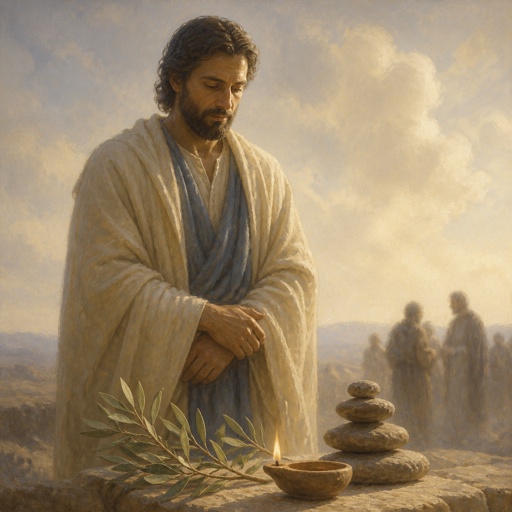
"But he that is spiritual judgeth all things, yet he himself is judged of no man." - 1 Corinthians 2:15

2 Corinthians 1:15 - "And in this confidence I was minded to come unto you before, that ye might have a second benefit;"

1 corinthians 2:12

1 corinthians 2:12

1 corinthians 2:12

1 corinthians 2:12

1 Corinthians 15:36

1 Corinthians 15:2 - "By which also ye are saved, if ye keep in memory what I preached unto you, unless ye have believed in vain."

1 Corinthians 15:13 - "But if there be no resurrection of the dead, then is Christ not risen:"

2 Corinthians 2:15 - "For we are unto God a sweet savour of Christ, in them that are saved, and in them that perish:"

1 Corinthians 15:51-52

1 Corinthians 15:51-52

1 Corinthians 15:51-52

1 Corinthians 15:5 - "And that he was seen of Cephas, then of the twelve:"

1 Corinthians 15:16 - "For if the dead rise not, then is not Christ raised:"

1 Corinthians 15:26 - "The last enemy that shall be destroyed is death."

1 Corinthians 15:51-52

2 Corinthians 9:15 - "Thanks be unto God for his unspeakable gift."

1 Corinthians 15:8-11

1 Corinthians 15:7 - "After that, he was seen of James; then of all the apostles."

1 Corinthians 1:15 - "Lest any should say that I had baptized in mine own name."

1 Corinthians 15:30 - "And why stand we in jeopardy every hour?"

1 Corinthians 15:56 - "The sting of death is sin; and the strength of sin is the law."

1 Corinthians 15:48 - "As is the earthy, such are they also that are earthy: and as is the heavenly, such are they also that are heavenly."

1 Corinthians 15:33 - "Be not deceived: evil communications corrupt good manners."

1 Corinthians 15:18 - "Then they also which are fallen asleep in Christ are perished."

1 Corinthians 15:36 - "Thou fool, that which thou sowest is not quickened, except it die:"

1 Corinthians 15:42 - "So also is the resurrection of the dead. It is sown in corruption; it is raised in incorruption:"

2 Corinthians 3:15 - "But even unto this day, when Moses is read, the vail is upon their heart."