What does 1 Corinthians 4:4 mean?
“For I know nothing by myself; yet am I not hereby justified: but he that judgeth me is the Lord.” — 1 Corinthians 4:4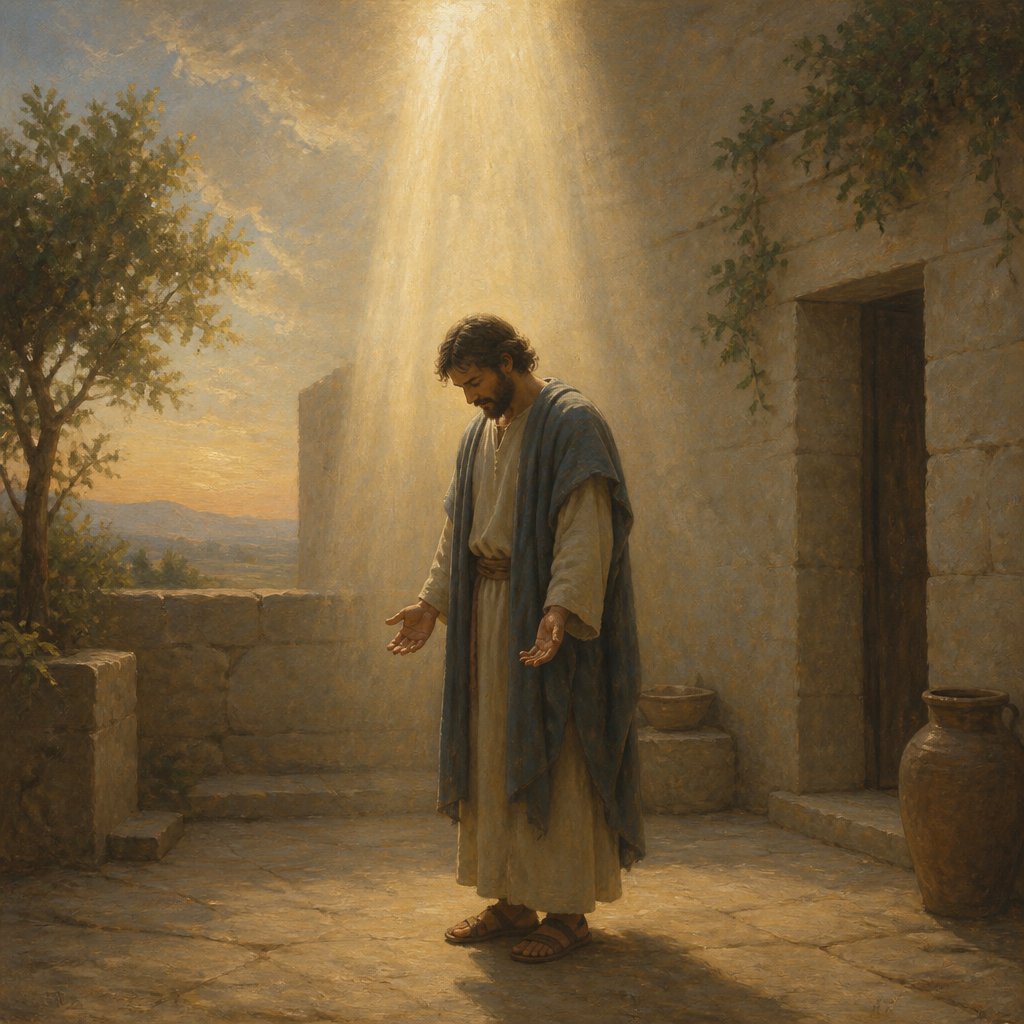
1 Corinthians 4:4 (KJV) states, "For I know nothing by myself; yet am I not hereby justified: but he that judgeth me is the Lord." This verse is part of a larger passage in which the apostle Paul is addressing the Corinthian church and discussing the role of God's servants and the importance of humility and faithfulness in their service to the Lord.
The verse begins with the phrase, "For I know nothing by myself," which can be interpreted as Paul acknowledging his own limitations and admitting that he is not able to fully understand or judge himself. This is an expression of humility and an acknowledgment of his own fallibility as a human being. It is a reminder that we are all subject to our own biases, limitations, and shortcomings, and that we are not capable of accurately judging ourselves or others without the guidance of God.
Paul goes on to say, "yet am I not hereby justified," indicating that despite his own lack of understanding and inability to judge himself, he is not thereby absolved of his responsibilities or sins. This is a powerful reminder that our own self-assessment and understanding of our actions are not enough to earn us salvation or righteousness in the eyes of God. Our own justification comes not from our own efforts or self-assessment, but from the grace and judgment of the Lord.
The verse concludes with the statement, "but he that judgeth me is the Lord," emphasizing the ultimate authority and judgment of God. This is a reminder that our ultimate accountability is to God, who sees and judges the motives and actions of our hearts. It is a call to rely on God's judgment and to seek His guidance and approval in all that we do.
In the larger context of the passage, Paul is addressing the issue of divisions and factions within the Corinthian church, and he is challenging the Corinthians to reevaluate their attitudes and behaviors. He is reminding them that their ultimate loyalty and accountability are to God, and that they should not be swayed by the opinions or judgments of others. This message is relevant to all believers, as it challenges us to prioritize our relationship with God above all else and to seek His approval in all that we do.
The themes of humility, accountability, and reliance on God are prominent in this verse. It serves as a reminder that we are all fallible and in need of God's grace and guidance. It also challenges us to prioritize our relationship with God and to seek His approval above all else. In a world where we are constantly bombarded with conflicting opinions and judgments, this verse is a powerful reminder to seek God's wisdom and discernment above all else.
In terms of symbolism, this verse represents the tension between human limitations and divine judgment. It serves as a reminder that we are not capable of accurately judging ourselves or others, and that our ultimate accountability is to God. This challenges us to rely on God's wisdom and discernment in all that we do, and to seek His approval above all else. It is a humbling and convicting message that reminds us of our need for God's grace and guidance in our lives.
Get our apps


Artwork for 1 Corinthians 4:4
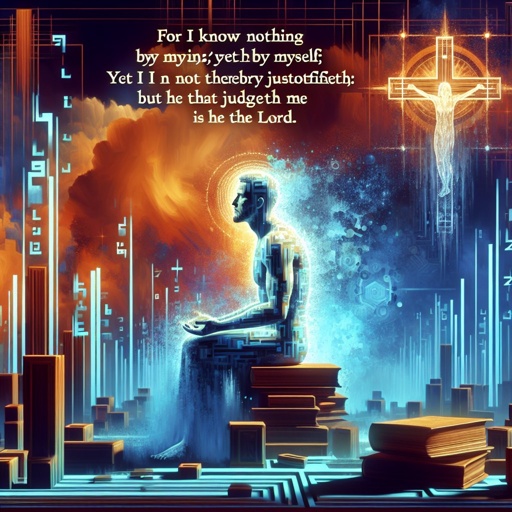
1 Corinthians 4:4 - "For I know nothing by myself; yet am I not hereby justified: but he that judgeth me is the Lord."
"For I know nothing by myself; yet am I not hereby justified: but he that judgeth me is the Lord." - 1 Corinthians 4:4

1 Corinthians 4:20

1 Corinthians 4:20

1 Corinthians 4:20

1 Corinthians 4:20

1 Corinthians 13:4-6

1 Corinthians 13:4-6

1 Corinthians 13:4-6

1 Corinthians 13:4-6

1 Corinthians 13:4-6

1 Corinthians 13:4-6

1 Corinthians 13:4-6

1 Corinthians 13:4-6

1 Corinthians 4:1-2

1 Corinthians 4:20 - "For the kingdom of God is not in word, but in power."

1 Corinthians 13:4-7

2 Corinthians 4:4

2 Corinthians 4:4

2 Corinthians 4:4

2 Corinthians 4:4

2 Corinthians 4:4

1 Corinthians 13:4-7

2 Corinthians 1:3-4

1 Corinthians 13:4-7

1 Corinthians 13:4-7

1 Corinthians 9:4 - "Have we not power to eat and to drink?"

2 Corinthians 4:4

2 Corinthians 4:4

1 Corinthians 12:4 - "Now there are diversities of gifts, but the same Spirit."