What does 1 Corinthians 6:3 mean?
“Know ye not that we shall judge angels? how much more things that pertain to this life?” — 1 Corinthians 6:3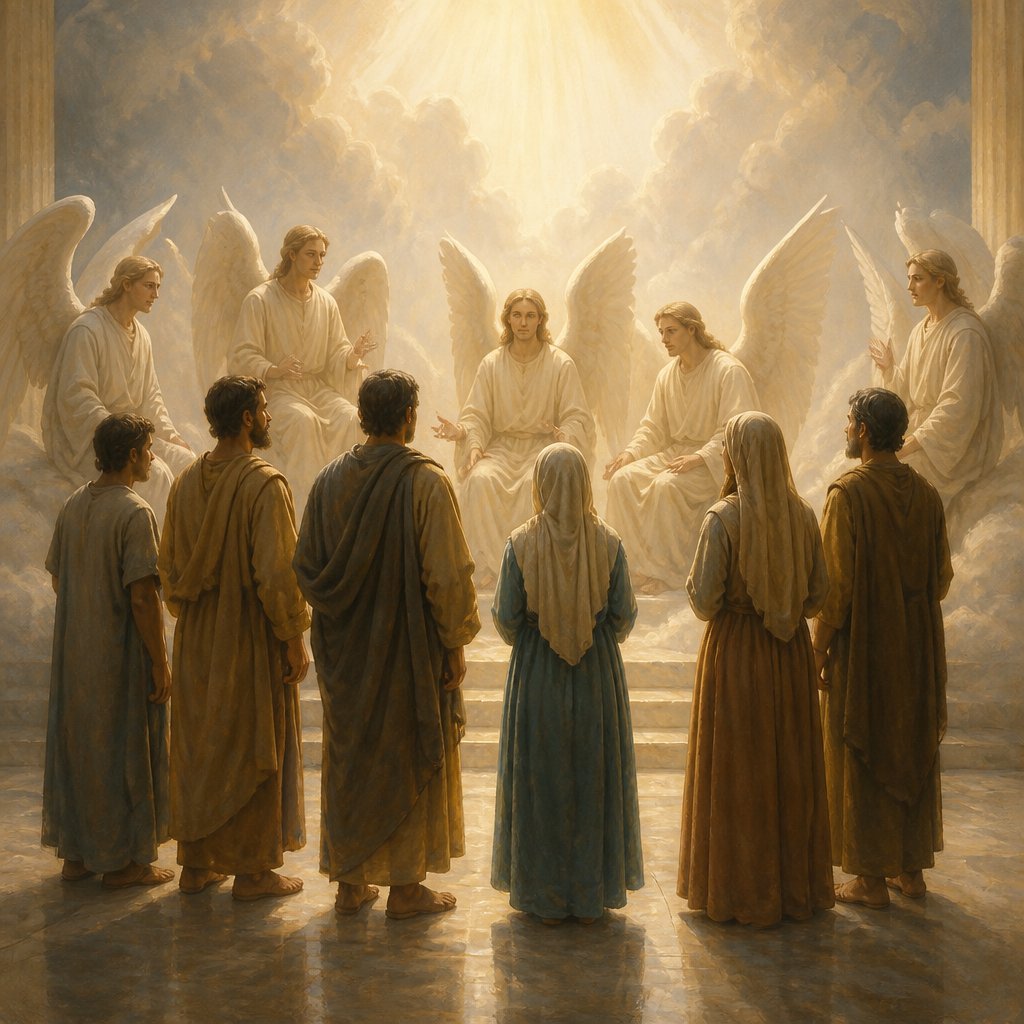
1 Corinthians 6:3 (KJV) states, "Know ye not that we shall judge angels? how much more things that pertain to this life?"
In this verse, Paul is addressing a controversy within the Corinthian church regarding the handling of disputes among believers. He begins by rebuking them for taking their disputes to secular courts. The believers were not only disgracing themselves and the church, but they were also failing to honor the authority and wisdom of their fellow believers. Instead of taking their disputes to the unsaved world, Paul urges the believers to recognize their capacity for judgment and discernment on spiritual matters, which extends even to the angels themselves.
The phrase "Know ye not" is used by Paul to draw attention to an important truth that the believers should already be aware of. He is essentially reminding them of their spiritual understanding and authority as followers of Christ. This suggests that the Corinthians were not acting in accordance with their spiritual identity and position in Christ. Paul is admonishing them for not living up to their calling and status as believers.
The phrase "we shall judge angels" is a powerful statement about the believers’ future role in the Kingdom of God. It suggests that believers will have authority over the angels, who are higher beings in the spiritual realm. This idea is supported by other passages in the New Testament, such as Revelation 20:4, which speaks of believers reigning and judging with Christ. It is important to note that this does not mean that believers are higher or more powerful than angels, but rather that they will have a role in the administration of God's judgment and justice.
Furthermore, the phrase "how much more things that pertain to this life?" highlights the discrepancy between the believers’ current behavior and their future responsibilities. If believers are going to judge angels and exercise authority in the spiritual realm, then they should be more than capable of handling disputes and conflicts among themselves. Paul is emphasizing the believers' ability and responsibility to judge matters of this life, which are of lesser importance compared to spiritual matters.
The context of this verse is crucial in understanding its full meaning. Paul is addressing the issue of believers taking their conflicts to secular judges rather than resolving them within the church. The Corinthians were failing to exercise discernment and judgment in their interactions with one another. By reminding them of their future role in judging angels, Paul is urging them to live according to their spiritual calling and to exercise wisdom and authority in resolving their disputes.
The theme of spiritual authority and discernment is central to this verse. Paul is reminding the believers of their elevated status as children of God and their future role in the Kingdom. This verse also emphasizes the believer's responsibility to handle conflicts and disputes within the church and to honor the authority and wisdom of their fellow believers.
The symbolism of judging angels points to the believers' future role in the administration of God's justice and judgment. It also underscores the believers' capacity for discernment and wisdom in spiritual matters. This verse encourages believers to live in a manner consistent with their future responsibilities and to exercise authority and discernment in resolving conflicts within the church.
In conclusion, 1 Corinthians 6:3 (KJV) is a powerful reminder of the believers' spiritual authority and responsibility. Paul admonishes the Corinthians for failing to exercise judgment and discernment in their interactions with one another. By reminding them of their future role in judging angels, Paul urges them to live according to their spiritual calling and to exercise wisdom and authority in resolving their disputes. This verse challenges believers to honor their spiritual identity and to handle conflicts in a manner consistent with their future responsibilities in the Kingdom of God.
Get our apps


Artwork for 1 Corinthians 6:3

1 Corinthians 6:3 - "Know ye not that we shall judge angels? how much more things that pertain to this life?"
"Know ye not that we shall judge angels? how much more things that pertain to this life?" - 1 Corinthians 6:3

1 Corinthians 3:6 - "I have planted, Apollos watered; but God gave the increase."
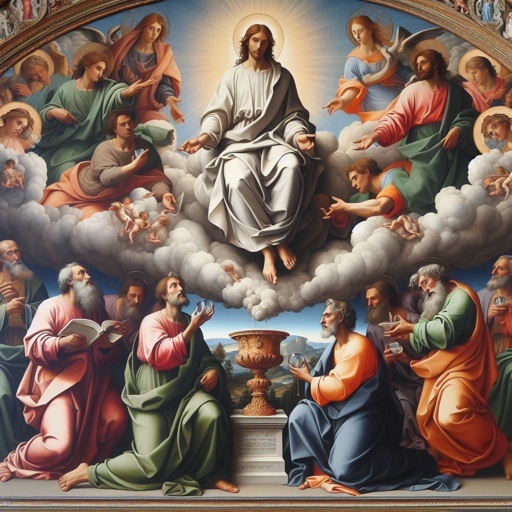
" Corinthians 3:6

2 Corinthians 6:3 - "Giving no offence in any thing, that the ministry be not blamed:"

2 Corinthians 3:6

2 Corinthians 3:6

1 Corinthians 6:19

1 Corinthians 6:19

1 Corinthians 6:19

1 Corinthians 3:6-7 - "I have planted, Apollos watered; but God gave the increase. So then neither is he that planteth anything, neither he that watereth; but God that giveth the increase."

"I have planted, Apollos watered; but God gave the increase." - 1 Corinthians 3:6

1 Corinthians 6:19

1 Corinthians 6:19

1 Corinthians 6:19

1 Corinthians 13:4-6

1 Corinthians 13:4-6

1 Corinthians 13:4-6

1 Corinthians 13:4-6

1 Corinthians 13:4-6

1 Corinthians 6:19-20

1 Corinthians 6:19-20
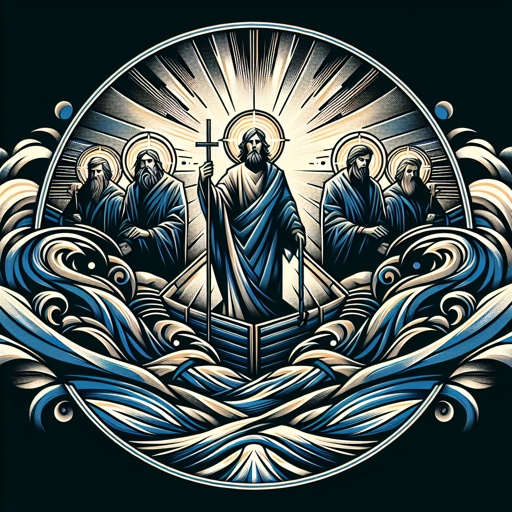
1 Corinthians 6:19-20

1 Corinthians 13:4-6

1 Corinthians 13:4-6

1 Corinthians 13:4-6

1 corinthians 3:16-17

1 Corinthians 6:19-20

1 Corinthians 6:6 - "But brother goeth to law with brother, and that before the unbelievers."

"Giving no offence in any thing, that the ministry be not blamed:" - 2 Corinthians 6:3