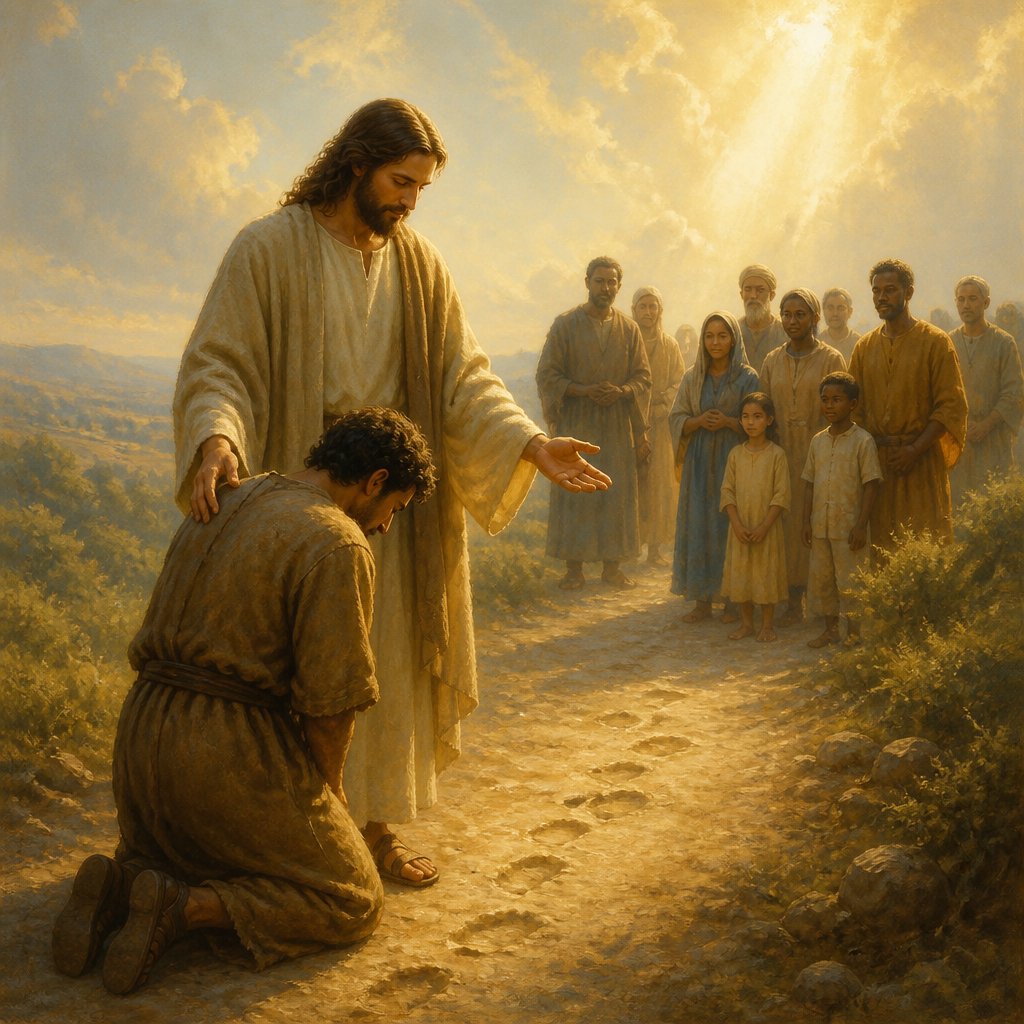
1 John 2:1-6 (KJV) says, "My little children, these things write I unto you, that ye sin not. And if any man sin, we have an advocate with the Father, Jesus Christ the righteous: And he is the propitiation for our sins: and not for ours only, but also for the sins of the whole world. And hereby we do know that we know him, if we keep his commandments. He that saith, I know him, and keepeth not his commandments, is a liar, and the truth is not in him. But whoso keepeth his word, in him verily is the love of God perfected: hereby know we that we are in him. He that saith he abideth in him ought himself also so to walk, even as he walked."
This verse from the First Epistle of John addresses the relationship between sin and righteousness, the role of Jesus as an advocate and propitiation for sin, and the importance of obedience to God's commandments.
The verse begins with John addressing his audience as "my little children," a term of endearment and affection. He then states that he is writing to them so that they may not sin. This reflects the overarching theme of the epistle, which is the distinction between light and darkness, righteousness and sin. John's primary concern is the spiritual well-being of his audience, encouraging them to live in obedience to God's commands.
John then introduces the concept of an advocate with the Father, identified as Jesus Christ the righteous. In the context of the New Testament, an advocate is someone who intercedes on behalf of another, particularly in a legal context. Jesus serves as the advocate for believers, standing before God to plead their case and provide redemption for their sins. The term "propitiation" refers to an atoning sacrifice that turns away the wrath of God and appeases His righteous judgment. Jesus is the propitiation for our sins, meaning that through His sacrificial death on the cross, He has satisfied the demands of justice and reconciled us to God. This concept reflects the foundational Christian belief in the atonement and the redemptive work of Christ.
John emphasizes that Jesus's advocacy and propitiation extend not only to the immediate audience but to the sins of the whole world. This universal scope of Jesus's work conveys the inclusive nature of salvation, available to all who believe in Him and accept His atoning sacrifice.
The following verses underscore the inseparable link between knowing God and keeping His commandments. John asserts that genuine knowledge of God is demonstrated by obedience to His Word. This echoes the teachings of Jesus, who proclaimed that those who love Him will keep His commandments (John 14:15). Conversely, claiming to have a relationship with God while disregarding His commandments is an act of deception, as it contradicts the truth of God's Word and the evidence of genuine faith.
The passage concludes with a call to imitation, urging believers to walk in the same manner as Jesus walked. This exhortation highlights the ethical dimension of Christian discipleship, emphasizing the need to model one's life after the example set by Jesus. Followers of Christ are called to embody His love, humility, and obedience as they navigate their journey of faith.
Thematically, 1 John 2:1-6 underscores the transformative power of Christ's atonement, the necessity of obedience as evidence of genuine faith, and the ethical imperative of imitating Christ. The broader context of the epistle addresses issues such as false teaching, moral conduct, love for one another, and assurance of salvation. The verse serves as a clarion call to righteousness and an exhortation to abide in the truth as revealed in Jesus Christ.
Symbolically, Jesus serves as the ultimate mediator between God and humanity, offering Himself as the perfect sacrifice for sin. His advocacy and propitiation provide access to God's grace and forgiveness, offering a path to reconciliation and eternal life. The call to obedience reflects the concept of the Christian life as a journey of sanctification, marked by an ongoing commitment to walk in the footsteps of Christ and grow in conformity to His image.
In conclusion, 1 John 2:1-6 encapsulates profound theological truths regarding sin, righteousness, redemption, and discipleship. The passage invites believers to embrace the transformative power of Christ's atonement, exhibit obedience as evidence of authentic faith, and emulate the character of Jesus in their daily lives. It ultimately affirms the central message of the Gospel, which proclaims the redemptive work of Christ as the foundation of salvation and the source of new life in Him.
Get our apps


Artwork for 1 John 2:1-6

1 John 2:1-6 - "My little children, these things write I unto you, that ye sin not. And if any man sin, we have an advocate with the Father, Jesus Christ the righteous: And he is the propitiation for our sins: and not for ours only, but also for the sins of the whole world. And hereby we do know that we know him, if we keep his commandments. He that saith, I know him, and keepeth not his commandments, is a liar, and the truth is not in him. But whoso keepeth his word, in him verily is the love of God perfected: hereby know we that we are in him. He that saith he abideth in him ought himself also so to walk, even as he walked."
"My little children, these things write I unto you, that ye sin not. And if any man sin, we have an advocate with the Father, Jesus Christ the righteous: And he is the propitiation for our sins: and not for ours only, but also for the sins of the whole world. And hereby we do know that we know him, if we keep his commandments. He that saith, I know him, and keepeth not his commandments, is a liar, and the truth is not in him. But whoso keepeth his word, in him verily is the love of God perfected: hereby know we that we are in him. He that saith he abideth in him ought himself also so to walk, even as he walked." - 1 John 2:1-6
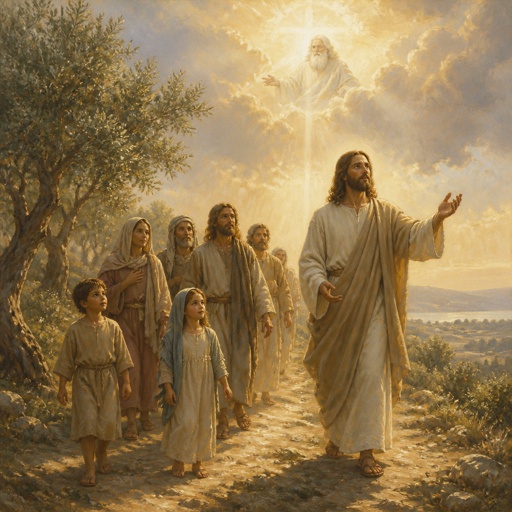
"My little children, these things write I unto you, that ye sin not. And if any man sin, we have an advocate with the Father, Jesus Christ the righteous: And he is the propitiation for our sins: and not for ours only, but also for the sins of the whole world. And hereby we do know that we know him, if we keep his commandments. He that saith, I know him, and keepeth not his commandments, is a liar, and the truth is not in him. But whoso keepeth his word, in him verily is the love of God perfected: hereby know we that we are in him. He that saith he abideth in him ought himself also so to walk, even as he walked." - 1 John 2:1-6

2 John 1:6 – "And this is love: that we walk in obedience to his commands."

2 John 1:6 – "And this is love: that we walk in obedience to his commands."

1 John 2:1 - "My little children, these things write I unto you, that ye sin not. And if any man sin, we have an advocate with the Father, Jesus Christ the righteous:"

1 John 2:6 - "He that saith he abideth in him ought himself also so to walk, even as he walked."

John 21:6

John 1:6 - "¶ There was a man sent from God, whose name was John."

John 21:6

2 John 1:6 - "And this is love, that we walk after his commandments. This is the commandment, That, as ye have heard from the beginning, ye should walk in it."

1 John 2:27

John 1:1-2

John 1:1-2

1 John 2:27

1 John 2:27

John 1:1-2

1 John 2:27

1 John 2:14

1 John 2:14

John 1:1-2

John 1:1-2

1 John 1:6 - "If we say that we have fellowship with him, and walk in darkness, we lie, and do not the truth:"

"¶ There was a man sent from God, whose name was John." - John 1:6

John 1:2 - "The same was in the beginning with God."

1 John 2:1-2 - "My little children, these things write I unto you, that ye sin not. And if any man sin, we have an advocate with the Father, Jesus Christ the righteous: And he is the propitiation for our sins: and not for ours only, but also for the sins of the whole world."

John 6:1 - "After these things Jesus went over the sea of Galilee, which is the sea of Tiberias."

John 14:1-2

2 John 1:2 - "For the truth's sake, which dwelleth in us, and shall be with us for ever."
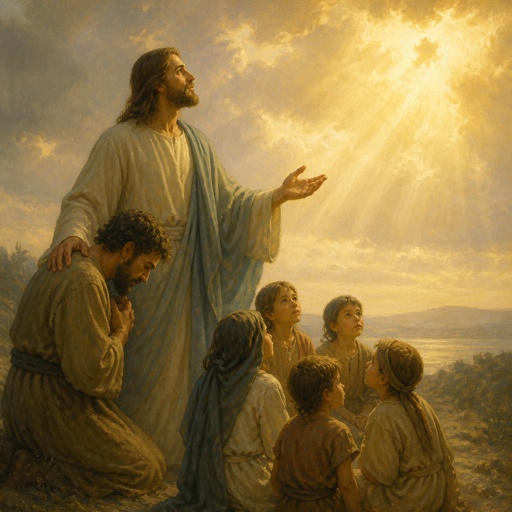
"My little children, these things write I unto you, that ye sin not. And if any man sin, we have an advocate with the Father, Jesus Christ the righteous:" - 1 John 2:1