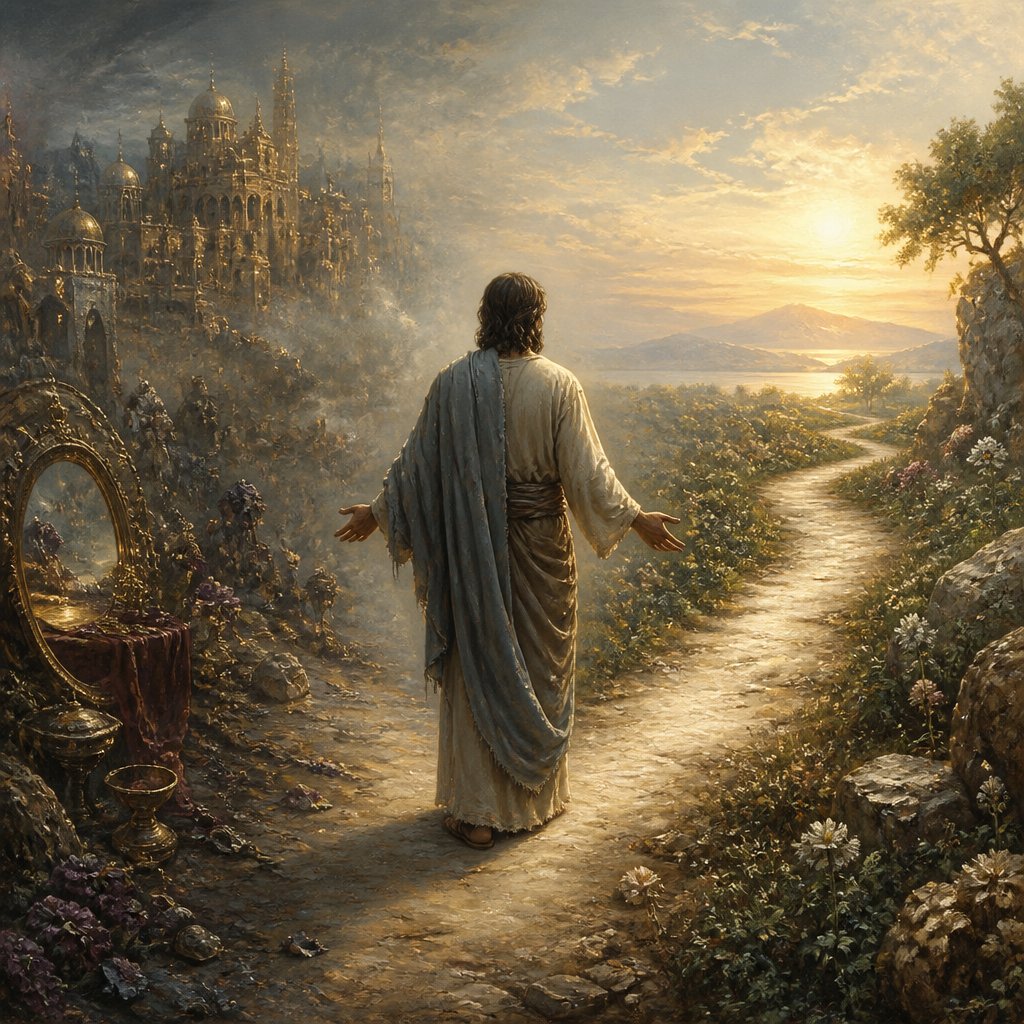
1 John 2:15-17 in the King James Version of the Bible reads, "Love not the world, neither the things that are in the world. If any man love the world, the love of the Father is not in him. For all that is in the world, the lust of the flesh, and the lust of the eyes, and the pride of life, is not of the Father, but is of the world. And the world passeth away, and the lust thereof: but he that doeth the will of God abideth forever."
This passage from the First Epistle of John contains deep and profound meanings that have been pondered and interpreted by theologians and scholars for centuries. The themes present in these verses include the contrast between worldly desires and the love of God, the transient nature of the world versus the eternal nature of God, and the idea of living according to God's will.
The context of this passage is important to understand its meaning. The author, traditionally believed to be the apostle John, is writing to a community of believers who are facing challenges from false teachings and the pressures of living in a society that does not align with Christian values. In this context, the passage serves as a reminder to the believers to remain steadfast in their faith and to not be seduced by the allure of the world.
The first verse admonishes believers to "love not the world, neither the things that are in the world." This does not mean that Christians are to hate the physical world or the people in it, but rather to not become attached to the values and pursuits that are contrary to God's will. The love of the world is framed as being in opposition to the love of the Father, indicating that one cannot fully embrace both simultaneously. This echoes the words of Jesus in the Gospel of Matthew, "No man can serve two masters: for either he will hate the one, and love the other; or else he will hold to the one, and despise the other. Ye cannot serve God and mammon" (Matthew 6:24).
The following verse identifies three specific aspects of the world that are not aligned with God's will: "the lust of the flesh, and the lust of the eyes, and the pride of life." These are often understood as representing the sinful desires and pursuits that are prevalent in the world. The lust of the flesh refers to the base and physical desires that lead to sin, the lust of the eyes to the covetousness and desire for material possessions, and the pride of life to the arrogance and self-centeredness that leads one away from God.
The passage concludes by emphasizing the ephemeral nature of the world and its desires, contrasting it with the eternal nature of God and those who do His will. This serves as a reminder that the pursuit of worldly pleasures and ambitions ultimately lead to emptiness and futility, as the world itself is passing away. In contrast, those who align themselves with God and His will abide forever, enjoying eternal life in His presence.
The symbolism present in this passage is rich and powerful. The "world" can be understood not only as the physical world we inhabit, but also as the system of values, pursuits, and priorities that are contrary to God. It represents the transient and perishable in contrast to the eternal and immutable nature of God. The "love of the Father" represents the love and devotion that believers are called to have for God, which necessarily requires a disavowal of the world and its values.
Overall, 1 John 2:15-17 serves as a powerful exhortation for believers to remain steadfast in their faith and to resist the temptations and allure of the world. It reminds us of the fleeting nature of worldly pursuits and the enduring nature of aligning ourselves with God's will. The passage calls us to reevaluate our priorities and to ensure that we are living in accordance with the values of the Kingdom of God rather than the values of the world. It is a timeless message that continues to resonate with believers today, urging us to live with an eternal perspective rather than being ensnared by the passing pleasures of the world.
Get our apps


Artwork for 1 John 2:15-17

1 John 2:15-17 - "Do not love the world or anything in the world. If anyone loves the world, love for the Father is not in them. For everything in the world—the lust of the flesh, the lust of the eyes, and the pride of life—comes not from the Father but from the world. The world and its desires pass away, but whoever does the will of God lives forever."
"Do not love the world or anything in the world. If anyone loves the world, love for the Father is not in them. For everything in the world—the lust of the flesh, the lust of the eyes, and the pride of life—comes not from the Father but from the world. The world and its desires pass away, but whoever does the will of God lives forever." - 1 John 2:15-17

1 John 2:15 - "Love not the world, neither the things that are in the world. If any man love the world, the love of the Father is not in him."

1 John 2:27

1 John 2:14

1 John 2:14

1 John 2:27

1 John 2:27

1 John 2:27

1 John 2:17 - "And the world passeth away, and the lust thereof: but he that doeth the will of God abideth for ever."
"Love not the world, neither the things that are in the world. If any man love the world, the love of the Father is not in him." - 1 John 2:15

1 John 2:15-16 - "Do not love the world or anything in the world. If anyone loves the world, love for the Father is not in them. For everything in the world—the lust of the flesh, the lust of the eyes, and the pride of life—comes not from the Father but from the world."

John 15:17 - "These things I command you, that ye love one another."

John 1:17

John 1:17

John 1:17

John 15:5

1 John 2:26 - "These things have I written unto you concerning them that seduce you."

John 17:15 - "I pray not that thou shouldest take them out of the world, but that thou shouldest keep them from the evil."

Acts 17:15

Provers 15:17

John 15:1-8

John 15:26 NLT

John 14:15-21

1 John 2:20 - "But ye have an unction from the Holy One, and ye know all things."

1 John 2:3 - "And hereby we do know that we know him, if we keep his commandments."

1 Samuel 1:15-17

1 John 2:25 - "And this is the promise that he hath promised us, even eternal life."

1 John 2:12 - "I write unto you, little children, because your sins are forgiven you for his name's sake."

1 John 5:17 - "All unrighteousness is sin: and there is a sin not unto death."