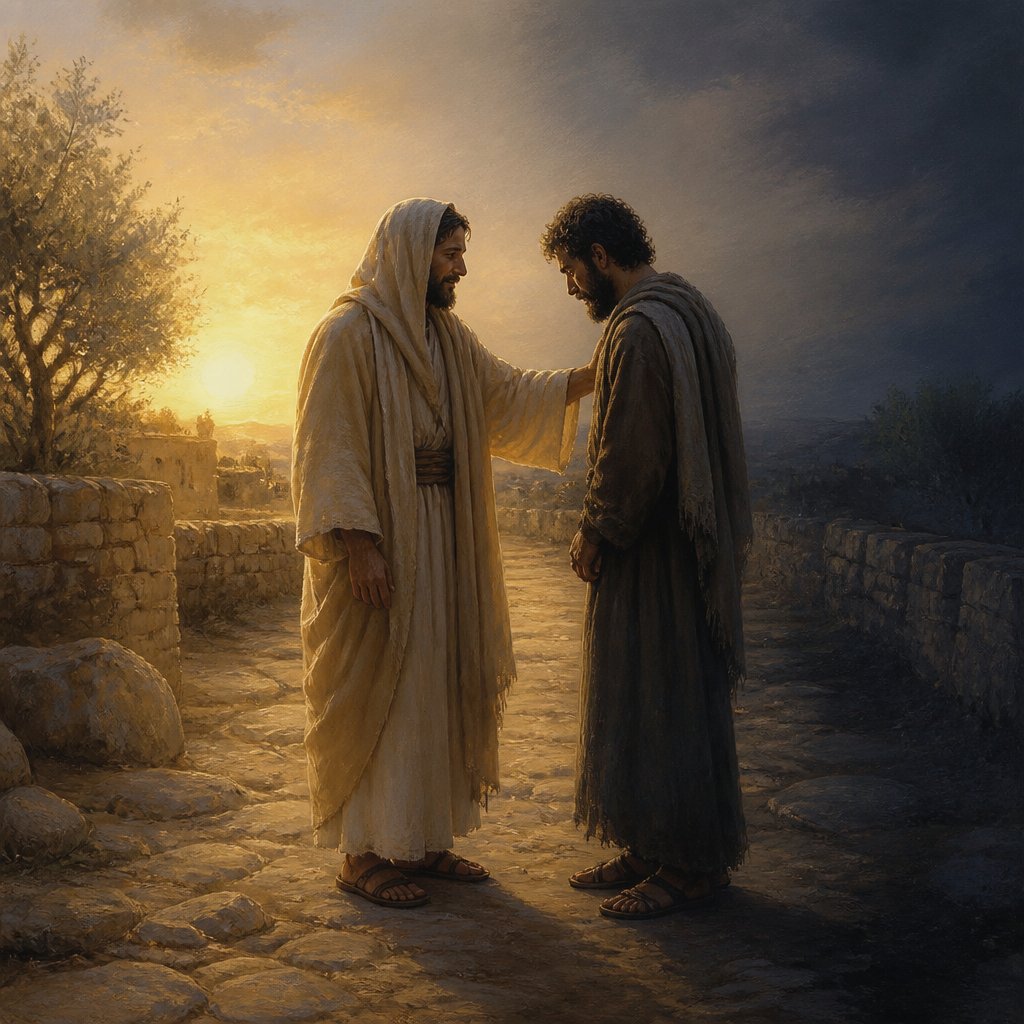
1 John 2:7-11 in the King James Version (KJV) reads:
"7 Brethren, I write no new commandment unto you, but an old commandment which ye had from the beginning. The old commandment is the word which ye have heard from the beginning. 8 Again, a new commandment I write unto you, which thing is true in him and in you: because the darkness is past, and the true light now shineth. 9 He that saith he is in the light, and hateth his brother, is in darkness even until now. 10 He that loveth his brother abideth in the light, and there is none occasion of stumbling in him. 11 But he that hateth his brother is in darkness, and walketh in darkness, and knoweth not whither he goeth, because that darkness hath blinded his eyes."
The passage from 1 John 2:7-11 contains important teachings about love, light, and the commandments of God. Through a deeper analysis of this passage, we can understand its meaning and significance in the context of the entire book of 1 John and the broader message of the Bible.
In verse 7, the apostle John addresses the members of the Christian community as "Brethren," emphasizing the familial bond and unity among believers. He states that he is not writing a new commandment but an old one, which the recipients of his letter have known from the beginning. This "old commandment" refers to the teaching of love and righteousness found in the Old Testament and reiterated by Jesus in the New Testament. This love is a foundational principle of the Christian faith, encapsulated in Jesus' commandment to love God with all one's heart, soul, and mind, and to love one's neighbor as oneself (Matthew 22:37-39).
In verse 8, John introduces a new commandment, which he declares to be true in Jesus Christ and in the believers. This new commandment is the embodiment of truth and love, ushering in a new era characterized by the victory of light over darkness. The arrival of Jesus Christ, the true light, has dispelled the darkness of sin and ignorance, illuminating the path of righteousness and salvation for humanity.
Verse 9 presents a stark contrast between those who claim to be in the light but harbor hatred towards their brothers and those who genuinely abide in the light through love for one another. John emphasizes that genuine adherence to the light of Christ necessitates a transformation of the heart, leading to love for others. The presence of hatred towards one's brother is indicative of dwelling in darkness, contradicting one's professed allegiance to the light.
Continuing in verse 10, John reiterates the connection between love and abiding in the light. Those who love their brothers demonstrate their alignment with the light and righteousness of God, devoid of any stumbling blocks in their conduct. The act of loving one's brother reflects a state of spiritual maturity and obedience to the commandments of Christ.
Finally, in verse 11, John underscores the consequences of harboring hatred towards one's brother. Such individuals are characterized by darkness, symbolizing spiritual blindness and moral confusion. The presence of hatred blinds individuals to the direction and purpose of their lives, ultimately leading to their eternal separation from God.
The overarching theme of this passage is the transformative power of love and light in the lives of believers. The commandment to love one another is foundational to the Christian faith, reflecting God's nature and His redemptive plan for humanity. Love serves as the litmus test for genuine fellowship with God and fellow believers, exposing the contrast between light and darkness, righteousness and sin.
The context of 1 John as a whole reveals the apostle's concern for the spiritual well-being of the recipients, urging them to discern and uphold the truth amidst false teachings and moral compromises. John emphasizes the essential qualities of love and obedience as hallmarks of authentic Christian discipleship, challenging believers to emulate the character of Christ in their conduct and relationships.
Symbolically, light represents the presence of God, truth, and righteousness, dispelling the darkness of sin and deception. Love serves as the driving force behind genuine fellowship and unity among believers, reflecting the sacrificial love of Christ and His redemptive work on the cross. Conversely, darkness symbolizes spiritual blindness, moral depravity, and the absence of God's presence, leading to division and hostility.
In conclusion, 1 John 2:7-11 encapsulates the timeless message of love, light, and obedience to the commandments of God. The passage provides a moral compass for believers, highlighting the inseparable connection between love and fellowship with God, while cautioning against the devastating effects of hatred and spiritual darkness. As we internalize the teachings of this passage, may we be inspired to walk in the light, embodying the transformative power of love in our lives and relationships, to the glory of God.
Get our apps


Artwork for 1 John 2:7-11
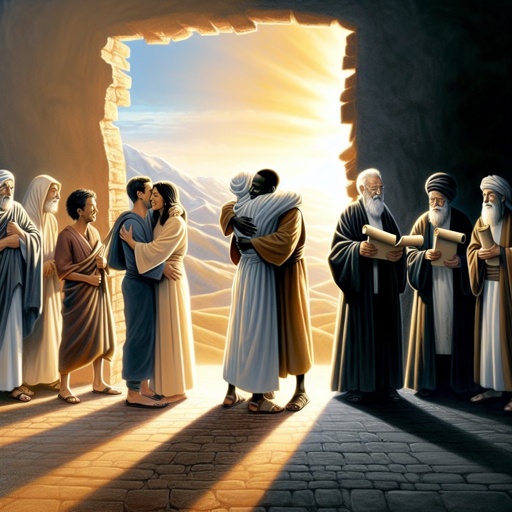
1 John 2:7-11 - "Brethren, I write no new commandment unto you, but an old commandment which ye had from the beginning. The old commandment is the word which ye have heard from the beginning. Again, a new commandment I write unto you, which thing is true in him and in you: because the darkness is past, and the true light now shineth. He that saith he is in the light, and hateth his brother, is in darkness even until now. He that loveth his brother abideth in the light, and there is none occasion of stumbling in him. But he that hateth his brother is in darkness, and walketh in darkness, and knoweth not whither he goeth, because that darkness hath blinded his eyes."
"Brethren, I write no new commandment unto you, but an old commandment which ye had from the beginning. The old commandment is the word which ye have heard from the beginning. Again, a new commandment I write unto you, which thing is true in him and in you: because the darkness is past, and the true light now shineth. He that saith he is in the light, and hateth his brother, is in darkness even until now. He that loveth his brother abideth in the light, and there is none occasion of stumbling in him. But he that hateth his brother is in darkness, and walketh in darkness, and knoweth not whither he goeth, because that darkness hath blinded his eyes." - 1 John 2:7-11

1 John 2:27

1 John 2:27

1 John 2:27

1 John 2:27

1 John 2:7 - "Brethren, I write no new commandment unto you, but an old commandment which ye had from the beginning. The old commandment is the word which ye have heard from the beginning."

1 John 2:14

1 John 2:14

2 John 1:11 - "For he that biddeth him God speed is partaker of his evil deeds."

2 John 1:7 - "For many deceivers are entered into the world, who confess not that Jesus Christ is come in the flesh. This is a deceiver and an antichrist."

"Brethren, I write no new commandment unto you, but an old commandment which ye had from the beginning. The old commandment is the word which ye have heard from the beginning." - 1 John 2:7

John 7:11 - "Then the Jews sought him at the feast, and said, Where is he?"

John 2:7 - "Jesus saith unto them, Fill the waterpots with water. And they filled them up to the brim."

1 John 2:26 - "These things have I written unto you concerning them that seduce you."

1 John 2:11 - "But he that hateth his brother is in darkness, and walketh in darkness, and knoweth not whither he goeth, because that darkness hath blinded his eyes."

John 11:7 - "Then after that saith he to his disciples, Let us go into Judaea again."

1 John 2:20 - "But ye have an unction from the Holy One, and ye know all things."

1 John 2:3 - "And hereby we do know that we know him, if we keep his commandments."

1 John 2:25 - "And this is the promise that he hath promised us, even eternal life."

John 7:38

1 John 2:12 - "I write unto you, little children, because your sins are forgiven you for his name's sake."

John 7:2 - "Now the Jews' feast of tabernacles was at hand."

1 John 2:10 - "He that loveth his brother abideth in the light, and there is none occasion of stumbling in him."

1 John 2:9 - "He that saith he is in the light, and hateth his brother, is in darkness even until now."

"For he that biddeth him God speed is partaker of his evil deeds." - 2 John 1:11

Psalm 24:7-11

1 John 2:23 - "Whosoever denieth the Son, the same hath not the Father: (but) he that acknowledgeth the Son hath the Father also."

1 John 2:6 - "He that saith he abideth in him ought himself also so to walk, even as he walked."

1 John 2:29 - "If ye know that he is righteous, ye know that every one that doeth righteousness is born of him."