What does 1 John 3:16-18 mean?
"Hereby perceive we the love, because he laid down his life for us: and we ought to lay down our lives for the brethren. But whoso hath this world’s good, and seeth his brother have need, and shutteth up his bowels of compassion from him, how dwelleth the love of God in him? My little children, let us not love in word, neither in tongue; but in deed and in truth." - 1 John 3:16-18
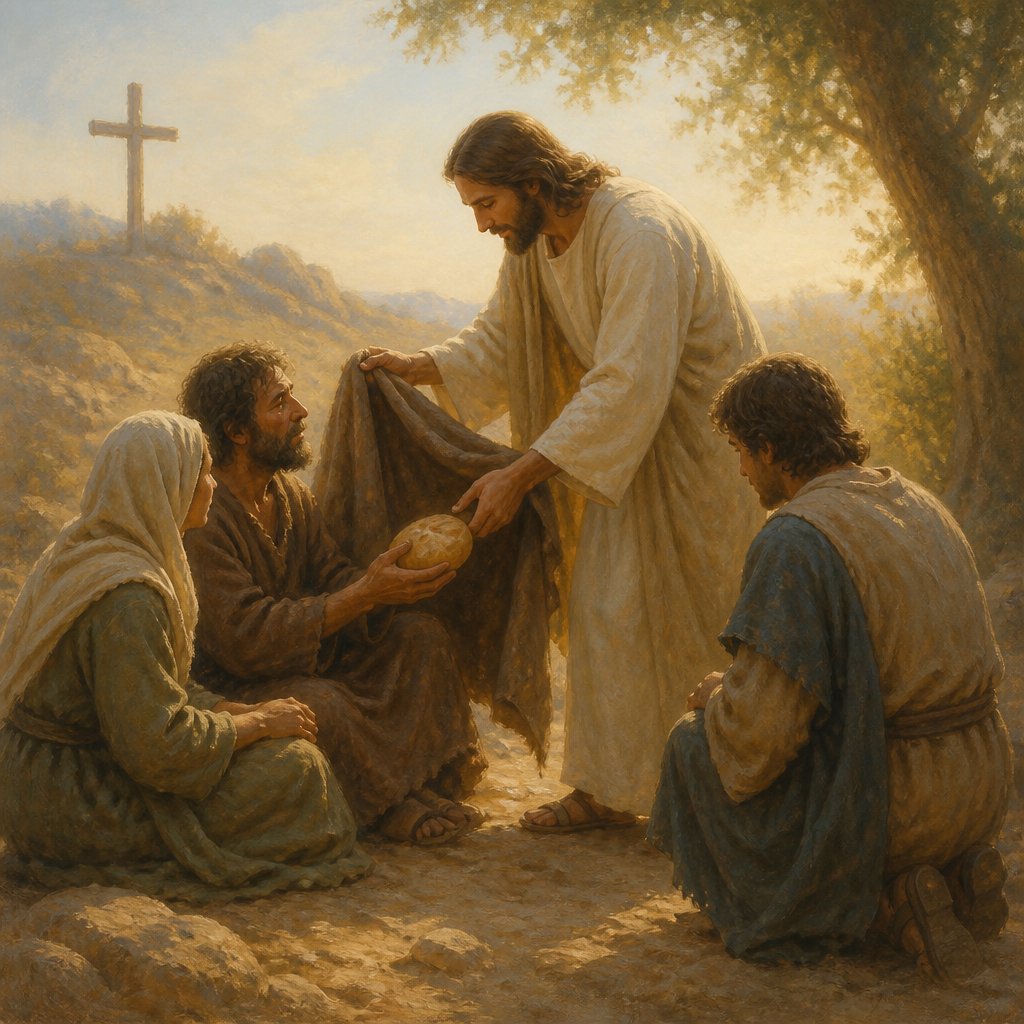
1 John 3:16-18 in the King James Version of the Bible states, "Hereby perceive we the love of God, because he laid down his life for us: and we ought to lay down our lives for the brethren. But whoso hath this world's good, and seeth his brother have need, and shutteth up his bowels of compassion from him, how dwelleth the love of God in him? My little children, let us not love in word, neither in tongue; but in deed and in truth."
This passage from the book of 1 John provides a powerful message about the nature of love and the actions that should spring from it. In this commentary, we will explore the themes, context, and symbolism of this verse to gain a deeper understanding of its meaning and significance.
The overarching theme of 1 John 3:16-18 is love, particularly the sacrificial and unconditional love that God has shown for humanity through the sacrifice of his Son, Jesus Christ. The passage begins by emphasizing the love of God, as demonstrated by the laying down of his life for humanity. This act of selflessness and sacrifice serves as the ultimate example of love, setting the standard for how believers should demonstrate their love for others.
The context of this passage is important to consider in understanding its significance. The book of 1 John was written by the apostle John, one of Jesus' closest disciples, to a community of believers dealing with issues of false teaching and moral challenges. Throughout the book, John emphasizes the importance of love, both in one's relationship with God and in how believers should treat one another. In the verses leading up to 1 John 3:16-18, John discusses the concept of love in action and contrasts it with mere words or lip service. He urges believers to love not only in speech but also in action and truth.
The symbolism in this passage lies in the profound significance of Jesus's sacrifice and the call for believers to emulate that same sacrificial love. The act of laying down one's life is a powerful symbol of selflessness and putting the needs of others before one's own. This symbolic gesture reflects the ultimate demonstration of love, as Jesus willingly gave up his life for the salvation of humanity. Thus, the laying down of one's life can be understood as an expression of sacrificial love in action.
Furthermore, the imagery of having "this world's good" and seeing a brother in need speaks to the responsibility that believers have towards one another. The term "shutteth up his bowels of compassion" paints a vivid picture of someone closing off their heart and refusing to show empathy and kindness to a brother in need. This serves as a stark contrast to the love of God, which is characterized by compassion, selflessness, and action.
In the final verse of the passage, John urges his readers to love not just in word or speech but in deed and truth. This emphasizes the importance of genuine, tangible expressions of love that are rooted in truth and authenticity. The call to love in both deed and truth reinforces the idea that love is not merely a sentiment or emotion, but a concrete and practical demonstration of care, compassion, and selflessness.
In conclusion, 1 John 3:16-18 delivers a powerful message about the nature of love, inspired by the sacrificial love of God as demonstrated through the sacrifice of Jesus Christ. The passage challenges believers to embody this same sacrificial love in their actions towards others, particularly towards their brothers and sisters in Christ. The call to love in deed and truth emphasizes the importance of genuine, tangible expressions of love that are rooted in authenticity and selflessness. As such, 1 John 3:16-18 serves as a profound reminder of the transformative power of love and the significant impact it can have on the lives of believers and the world around them.
Have questions about 1 John 3:16-18?
Dive deeper into this scripture with Bible Chat — an AI-powered tool for exploring God's Word through conversation. Ask questions, get context, and grow in your understanding of the Bible.
Get Our Apps


1 John 3:16-18 Artwork

1 John 3:16-18 - "This is how we know what love is: Jesus Christ laid down his life for us. And we ought to lay down our lives for our brothers and sisters. If anyone has material possessions and sees a brother or sister in need but has no pity on them, how can the love of God be in that person? Dear children, let us not love with words or speech but with actions and in truth."
"This is how we know what love is: Jesus Christ laid down his life for us. And we ought to lay down our lives for our brothers and sisters. If anyone has material possessions and sees a brother or sister in need but has no pity on them, how can the love of God be in that person? Dear children, let us not love with words or speech but with actions and in truth." - 1 John 3:16-18

John 3:16

John 3:16

John 3:16

John 3:16

John 3-16

John 3:16

John 3:16

1 John 3:16 - "Hereby perceive we the love of God, because he laid down his life for us: and we ought to lay down our lives for the brethren."

John 3:16

John 3:16

john 3:16

John 3:16

John 3:16

John 3:16

John 3:16

john 3:16

John 3:16

John 3:16

1 John 3:18 - "My little children, let us not love in word, neither in tongue; but in deed and in truth."

John 3:16

John 3:16

John 3:16

John 3:16

John 3:16

John 3:16

John 3:16

John 3:16

john 3:16