What does 1 John 3:17-18 mean?
“But whoso hath this world’s good, and seeth his brother have need, and shutteth up his bowels of compassion from him, how dwelleth the love of God in him? My little children, let us not love in word, neither in tongue; but in deed and in truth.” — 1 John 3:17-18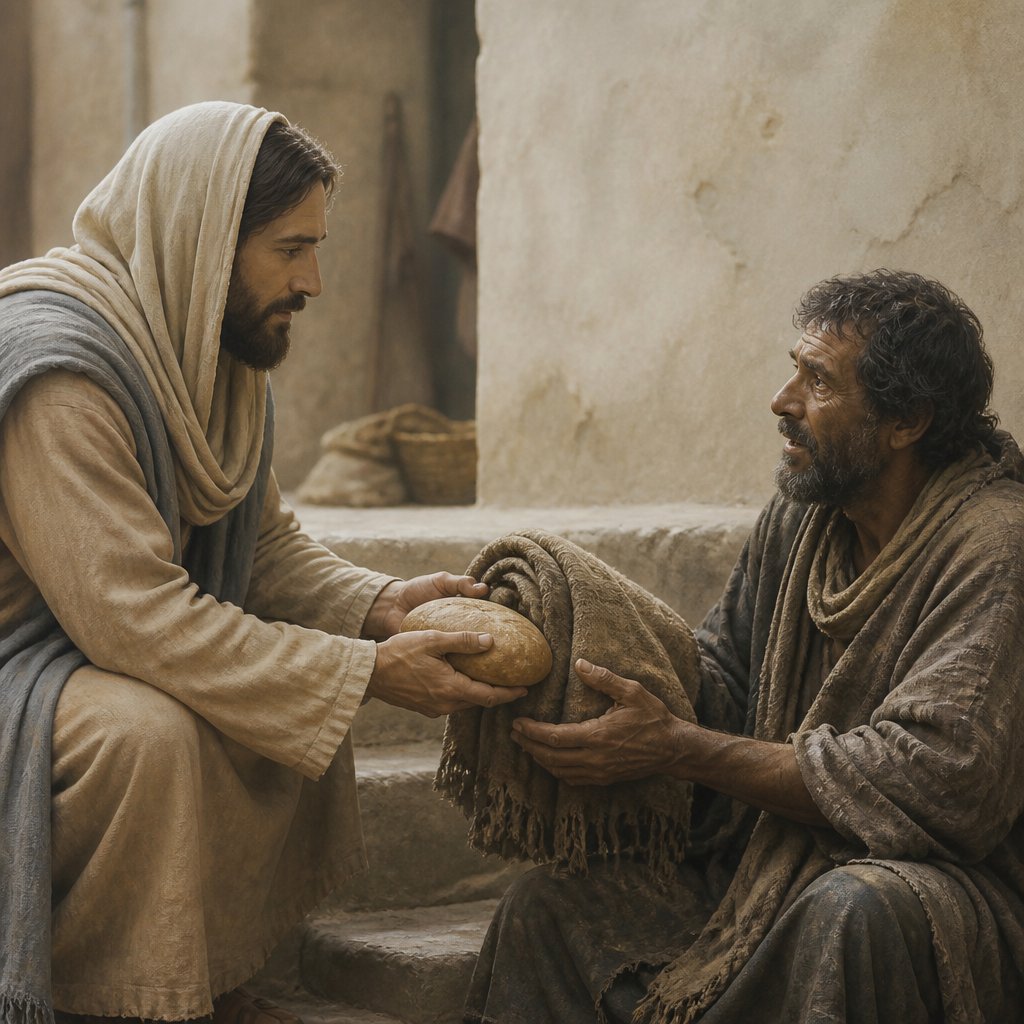
1 John 3:17-18 (KJV) says, "But whoso hath this world's good, and seeth his brother have need, and shutteth up his bowels of compassion from him, how dwelleth the love of God in him? My little children, let us not love in word, neither in tongue; but in deed and in truth."
This passage from the First Epistle of John emphasizes the importance of demonstrating love through actions rather than just through words. The Apostle John, the author of this epistle, uses vivid imagery to convey the idea that true love is not merely an abstract concept but is instead reflected in tangible acts of kindness and compassion.
The verse begins with the phrase, "But whoso hath this world's good, and seeth his brother have need," which sets the stage for the central message of this passage. The term "this world's good" refers to material possessions or wealth that one may possess. John is addressing those who are able to meet the needs of others because of their abundance. He challenges them to consider the plight of their brothers and sisters who may be lacking the basic necessities of life. This sets the stage for a call to action and compassion.
John then paints a vivid picture of a person who has the means to help a brother in need but "shutteth up his bowels of compassion from him." This language illustrates the act of turning a blind eye to the suffering of others, withholding assistance out of selfishness or indifference. The metaphor of shutting up one's bowels, in the King James Version, communicates the idea of closing off one's innermost feelings of empathy and mercy.
In questioning how the love of God could possibly dwell in a person who acts in such a callous manner, John challenges the very foundation of their faith. This rhetorical question serves to highlight the inconsistency between genuine love and the lack of compassion for those in need. The implication is that true believers cannot simply profess to love God while neglecting to demonstrate love for their fellow human beings.
John addresses his audience as "My little children," an endearing term that conveys his deep care and concern for their spiritual growth. He urges them to move beyond mere words and verbal professions of love, emphasizing that authentic love is expressed "in deed and in truth." Love that is genuine and rooted in truth is not merely expressed through empty platitudes but is manifested through practical acts of kindness, generosity, and empathy.
The broader context of this passage is rooted in the overarching theme of love that permeates the entire epistle. Throughout 1 John, the author emphasizes the importance of love as a defining characteristic of the Christian faith. In 1 John 3:11, he states, "For this is the message that ye heard from the beginning, that we should love one another." This verse serves as a foundational principle that is expounded upon in subsequent passages, including 1 John 3:17-18.
Symbolism is also present in this passage, particularly in the imagery of "shutteth up his bowels of compassion." The bowels were often associated with deep emotions and feelings in ancient Greco-Roman culture. By invoking the bowels, John emphasizes the need for a sincere, heartfelt response to the needs of others. This symbolic language underscores the profound nature of the love that Christians are called to demonstrate.
In conclusion, 1 John 3:17-18 serves as a powerful reminder to believers that genuine love is not simply a matter of words or emotions, but rather a reflection of tangible acts of compassion and selfless giving. It challenges us to examine the depth of our love for others and to ensure that our actions align with the truth of our faith. The passage encapsulates the fundamental principle that love is not complete without deeds, and it ultimately serves as a call to live out our faith in practical expressions of love and kindness towards those in need.
Get our apps


Artwork for 1 John 3:17-18

1 John 3:17-18 - "But if anyone has the world's goods and sees his brother in need, yet closes his heart against him, how does God's love abide in him? Little children, let us not love in word or talk but in deed and in truth."
"But if anyone has the world's goods and sees his brother in need, yet closes his heart against him, how does God's love abide in him? Little children, let us not love in word or talk but in deed and in truth." - 1 John 3:17-18

1 John 3:17 - "But whoso hath this world's good, and seeth his brother have need, and shutteth up his bowels of compassion from him, how dwelleth the love of God in him?"
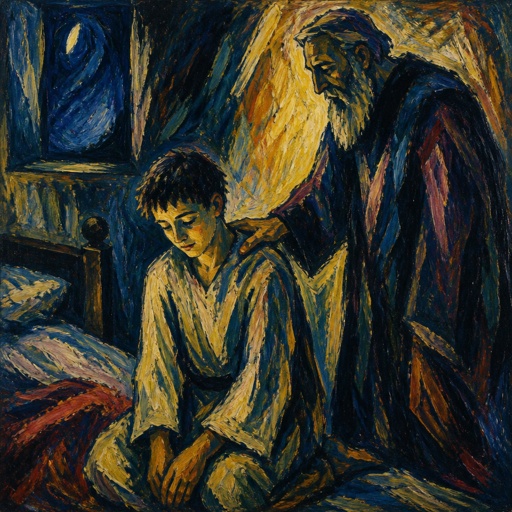
1 Samuel 3:17-18

John 7:17-18

John 7:17-18

John 7:17-18

John 7:17-18

1 John 3:18 - "My little children, let us not love in word, neither in tongue; but in deed and in truth."

1 John 3:1-3
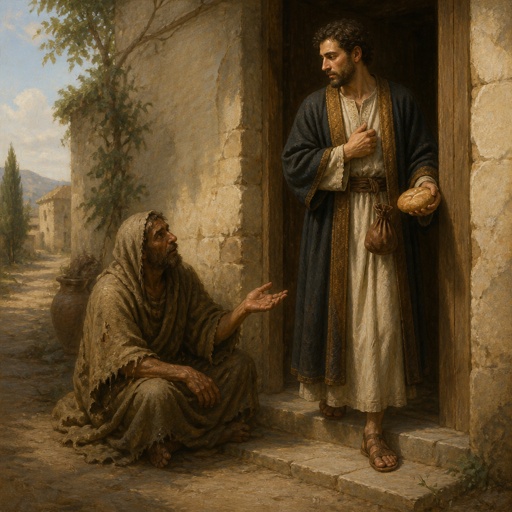
"But whoso hath this world's good, and seeth his brother have need, and shutteth up his bowels of compassion from him, how dwelleth the love of God in him?" - 1 John 3:17

John 1:17

John 1:17

John 1:17

John 17:18 - "As thou hast sent me into the world, even so have I also sent them into the world."

1 John 3:18-19 - "My little children, let us not love in word, neither in tongue; but in deed and in truth. And hereby we know that we are of the truth, and shall assure our hearts before him."

John 3:3

1 John 5:18

1 John 4:18

1 John 4:18
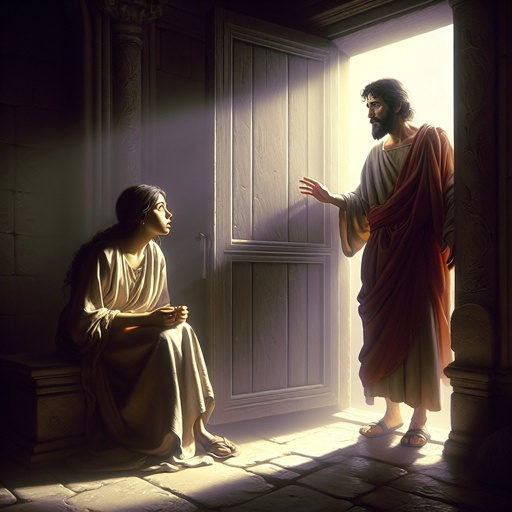
John 18:17 - "Then saith the damsel that kept the door unto Peter, Art not thou also one of this man's disciples? He saith, I am not."

John 3:3-8

John 3:17 - "For God sent not his Son into the world to condemn the world; but that the world through him might be saved."

"My little children, let us not love in word, neither in tongue; but in deed and in truth." - 1 John 3:18

Mark 3:17 - "And James the son of Zebedee, and John the brother of James; and he surnamed them Boanerges, which is, The sons of thunder:"

1 John 3:4 - "Whosoever committeth sin transgresseth also the law: for sin is the transgression of the law."

1 John 3:13 - "Marvel not, my brethren, if the world hate you."

John 3:14

John 3:16

John 1:3