What does 1 John 3:22 mean?
“And whatsoever we ask, we receive of him, because we keep his commandments, and do those things that are pleasing in his sight.” — 1 John 3:22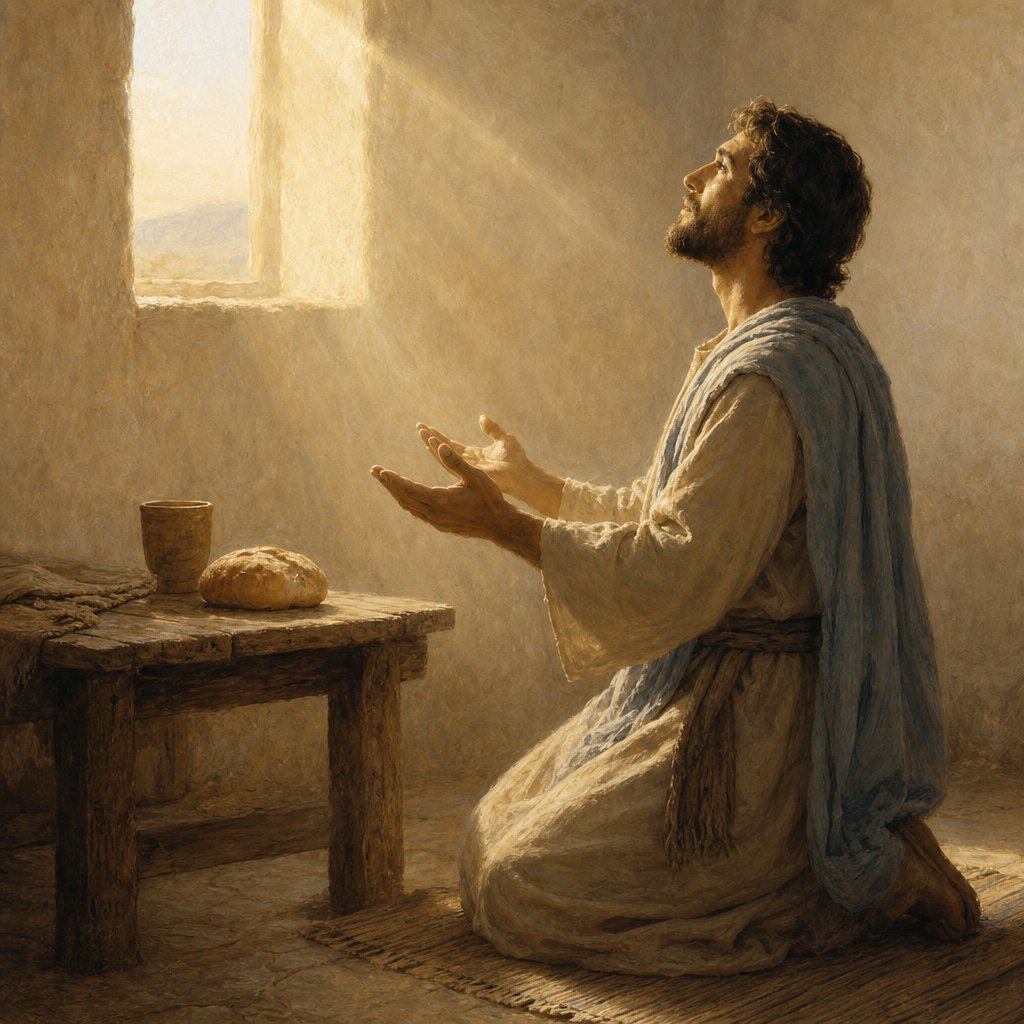
“And whatsoever we ask, we receive of him, because we keep his commandments, and do those things that are pleasing in his sight.” (1 John 3:22, KJV)
In its immediate setting, this sentence is not presented as a mechanical promise that any spoken request must be granted, but as the fruit of a certain kind of life before God: a life that “keep[s] his commandments” and habitually “do[es] those things that are pleasing in his sight.” The verse is the continuation of a line of thought that has already been speaking about the heart and conscience before God, about assurance in His presence, and about boldness in approaching Him. John has been drawing a picture of believers living openly before the “sight” of God, where inward condemnation is quieted not by self-justification but by a faith that rests in God’s greater knowledge and mercy. From that place of a settled heart, prayer becomes bold, and bold prayer is joined to obedience, so that asking and receiving are bound to a relationship rather than detached from it.
The themes that govern the meaning are fellowship, obedience, love, and confidence. John’s language assumes that the Christian is not merely a petitioner approaching a distant throne, but a child coming to a Father with whom there is real communion. That is why “we receive of him” is connected with “because we keep his commandments.” Obedience in this context is not a payment rendered to purchase answered prayer; it is the evidence of abiding fellowship. John’s epistle repeatedly returns to the idea that genuine knowledge of God shows itself in a life that keeps His word. When the will is being shaped by God’s commandments, the believer’s requests are increasingly aligned with what God delights to give. The verse therefore speaks of a harmony between the asker and the Giver: the one who prays is walking in a manner that pleases God, and so his petitions arise from a life already leaning toward God’s own purposes.
The immediate “commandment” emphasis in this portion of the epistle particularly points to what John has just been urging: love not in word only but “in deed and in truth,” and the command to believe on the name of God’s Son while loving one another. Thus, prayer in 1 John 3:22 is not separated from love for the brethren. The one who refuses love, or who hardens himself against a brother’s need, is not portrayed as standing in the same freedom and confidence as the one who walks in charity. John is pressing the idea that love is not a sentimental accessory to prayer but part of the moral atmosphere in which prayer properly lives. In that way, answered prayer is shown to be relational and covenantal: it belongs to those who are living as children in the household, not merely making requests at the door.
The symbolism and weight of John’s wording are also significant. “Whatsoever we ask” expresses breadth, yet it is a breadth framed by the rest of the verse. John is not granting an unlimited license for self-willed desires; he is describing the expansive liberty of a conscience and life oriented toward God. “We receive of him” keeps the direction of all gifts clear: the answers come “of him,” from God as the source, not from technique, merit, or human manipulation. “In his sight” brings the scene into the light of God’s presence. The Christian life, including prayer, happens coram Deo, before the face of God, where motives are exposed and where real pleasure is defined not by human opinion but by what pleases Him. That phrase quietly teaches reverence: it reminds the reader that prayer is not chiefly about getting God to notice us, but about living and asking while already under His gaze.
The verse also carries a pastoral purpose. John is strengthening assurance. He has been dealing with the problem of a condemning heart and the need for confidence toward God. By linking answered prayer to keeping God’s commandments and doing what pleases Him, John is not trying to drive tender consciences into fear, but to describe the normal shape of confident Christian experience: obedience nourishes confidence, confidence encourages prayer, and prayer is met by God’s responsive care. In other words, the promise is meant to steady the believer: if you are walking with God, seeking to please Him, you may ask with boldness and expect that God hears and gives.
In its full significance, 1 John 3:22 teaches that Christian prayer is not an isolated religious act but an expression of abiding. Requests are not detached wishes sent into the air; they are the speech of a life that is keeping God’s commandments and practicing what delights Him. The verse dignifies obedience by showing its connection to communion, and it dignifies prayer by placing it within a life of love and holiness. It portrays an integrated spirituality: a believer living in the light of God’s sight, loving in deed and truth, believing on the Son, and therefore asking with a confidence that is answered from the Father’s hand.
Get our apps


Artwork for 1 John 3:22

1 John 3:22 - "And whatsoever we ask, we receive of him, because we keep his commandments, and do those things that are pleasing in his sight."
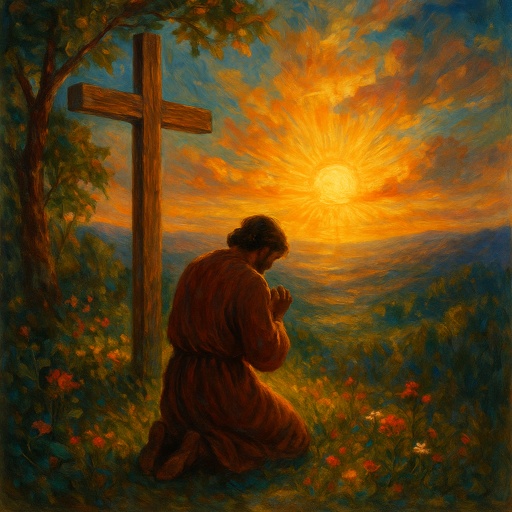
"And whatsoever we ask, we receive of him, because we keep his commandments, and do those things that are pleasing in his sight." - 1 John 3:22
"And whatsoever we ask, we receive of him, because we keep his commandments, and do those things that are pleasing in his sight." - 1 John 3:22

1 John 3:1-3

John 3:3

John 3:22 - "¶ After these things came Jesus and his disciples into the land of Judaea; and there he tarried with them, and baptized."

John 3:3-8

1 John 3:4 - "Whosoever committeth sin transgresseth also the law: for sin is the transgression of the law."

1 John 3:21-22 - "Beloved, if our heart does not condemn us, we have confidence before God; and whatever we ask we receive from Him, because we keep His commandments and do the things that are pleasing in His sight."

1 John 3:13 - "Marvel not, my brethren, if the world hate you."

John 3:14

John 3:16

John 1:3

John 1:3

John 3:16

John 3:16

John 3:16

John 3-16

John 3:16

John 3:16

John 12:3

1 John 3:3 - "And every man that hath this hope in him purifieth himself, even as he is pure."

1 John 3:6 - "Whosoever abideth in him sinneth not: whosoever sinneth hath not seen him, neither known him."

"Marvel not, my brethren, if the world hate you." - 1 John 3:13

1 John 3:20 - "For if our heart condemn us, God is greater than our heart, and knoweth all things."

John 19:1-3

John 9:1-3

1 John 3:11 - "For this is the message that ye heard from the beginning, that we should love one another."

1 John 3:19 - "And hereby we know that we are of the truth, and shall assure our hearts before him."

Born again. John 3