What does 1 John 4:16 mean?
“And we have known and believed the love that God hath to us. God is love; and he that dwelleth in love dwelleth in God, and God in him.” — 1 John 4:16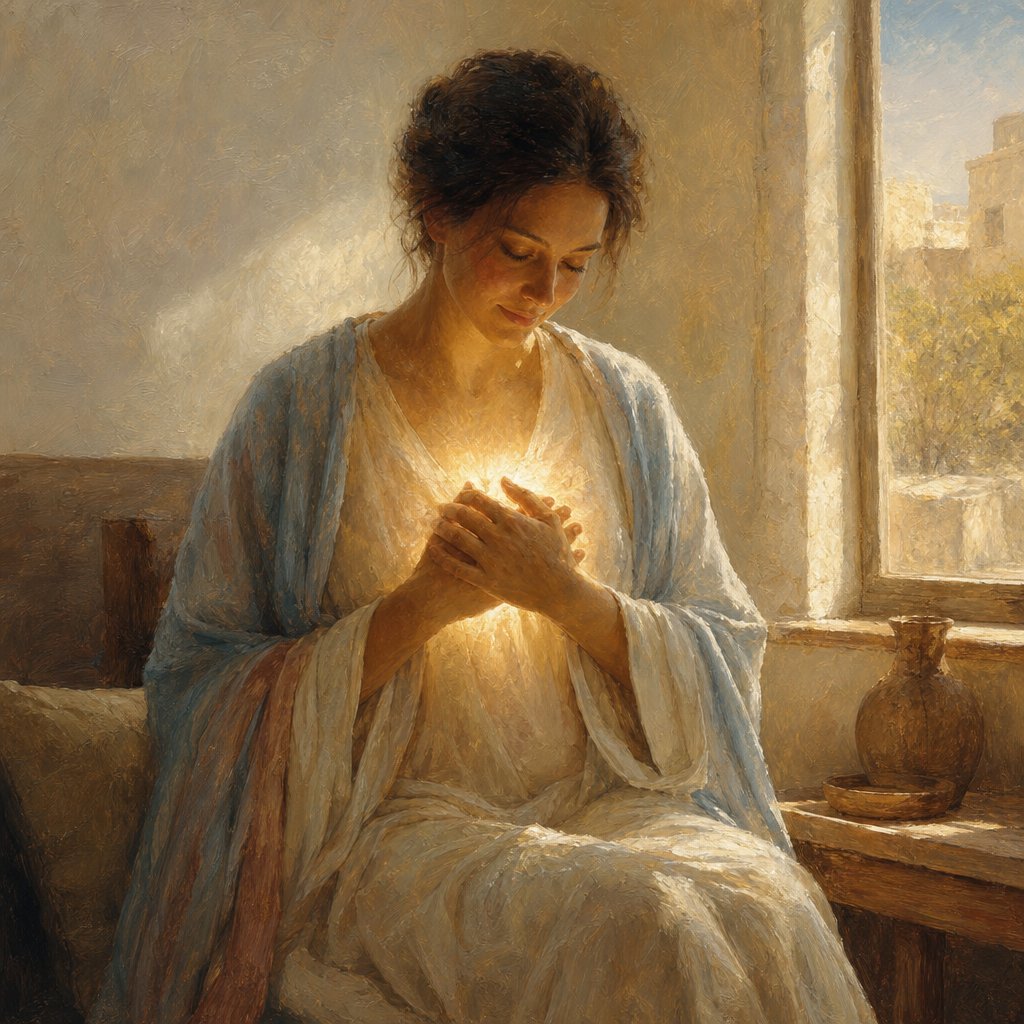
“1 John 4:16” in the King James Version reads, “And we have known and believed the love that God hath to us. God is love; and he that dwelleth in love dwelleth in God, and God in him.”
In its immediate context, this sentence stands near the heart of John’s long meditation on how the reality of God becomes visible and verifiable in the life of a believer. The verse gathers up what the apostle has been pressing: that the Christian life is not merely an argument about God, but a lived participation in what God is. When John says, “we have known and believed the love that God hath to us,” he joins experience and faith together. “Known” points to something received as real, encountered, proved in life and conscience, not simply heard as a report. “Believed” adds the personal trust by which that knowledge is embraced and rested upon. John is not describing a vague optimism, but a settled persuasion about “the love that God hath to us,” a love that, in the surrounding passage, is bound to God’s sending of His Son and the manifestation of divine love in history. The significance is that Christian assurance is rooted in God’s initiative: the love exists first in God, comes toward “us,” and is then known and believed.
Then John speaks the sentence that is both a theme and a theological anchor: “God is love.” He is not merely saying God loves, as though love were only one activity among others. He is stating that love belongs to God’s very nature and character. This does not reduce God to a human sentiment, nor does it mean that anything called “love” by men automatically equals God. Rather, it means that whatever true love is—pure, holy, self-giving, faithful, righteous—it is found in God as its fountain and definition. In the context of 1 John, this truth confronts cold religion, empty profession, and spiritual pride. If God’s nature is love, then fellowship with God cannot coexist with habitual hatred, malice, or indifference toward a brother; the letter repeatedly tests claims to “know” God by the presence or absence of love.
The verse then turns from what is true of God to what must be true in those who belong to Him: “and he that dwelleth in love dwelleth in God, and God in him.” The word “dwelleth” is rich with meaning. It is not the language of a passing visit, but of abiding, remaining, making a home. John’s symbolism is domestic and relational: love is not an occasional emotion a believer performs; it is the atmosphere in which the believer lives. To “dwell in love” is to live continually in the practice and posture of love as a settled way of being. In the logic of the verse, love is not presented as a ladder climbed to reach God, but as the evidence and expression of mutual indwelling: the person who abides in love abides in God, and God abides in that person. This mutuality is one of John’s signature notes. Fellowship with God is not merely closeness at a distance; it is communion. God remains God, yet He makes His presence real in the believer, and the believer’s life becomes marked by what God is.
The theme, therefore, is assurance through transformed life. John’s letter addresses the problem of how to discern truth from falsehood and genuine faith from empty claims. “We have known and believed” suggests a settled certainty, but John is careful to tether that certainty to the concrete fruit of love. In his world, rival teachers could claim superior knowledge; John’s test is simpler and deeper: does the life “dwell” in love? If it does, that abiding love is not merely human virtue but a sign of God’s own indwelling presence. Love functions as a kind of spiritual light, revealing where God is at work. It is also a safeguard against a purely intellectual religion, because it insists that real belief in God’s love results in a life that reflects that love toward others.
The verse also carries an implicit contrast between fear and security, estrangement and home. To say “God is love” and to speak of “dwelling” evokes safety, belonging, and rest. The believer is not pictured as hovering uncertainly at the edge of God’s acceptance, but as living within the reality of God’s love. Yet this is not sentimental security; it is moral and relational. The one who dwells in love does not merely enjoy the thought that God is loving; he participates in a life shaped by love, which includes patience, forgiveness, truthfulness, and sacrificial regard for others. In John’s thought, this is how the invisible God is made visible in the community of faith: God’s love, believed and known, becomes love expressed, and that expression testifies that God is truly “in him.”
In significance, then, 1 John 4:16 is both confession and criterion. It confesses the central reality that God’s nature toward His people is love, and it sets forth the criterion by which one may recognize genuine communion with God: abiding, settled, practiced love. It gathers theology, experience, and ethics into a single statement. To know and believe God’s love is to be drawn into an abiding relationship in which the believer lives in love, and in doing so, lives in God—while God, by His own presence, lives in the believer.
Get our apps


Artwork for 1 John 4:16

1 John 4:16 - "And we have known and believed the love that God hath to us. God is love; and he that dwelleth in love dwelleth in God, and God in him."
"And we have known and believed the love that God hath to us. God is love; and he that dwelleth in love dwelleth in God, and God in him." - 1 John 4:16

1 John 4:16-18 - "And so we know and rely on the love God has for us. God is love. Whoever lives in love lives in God, and God in them. This is how love is made complete among us so that we will have confidence on the day of judgment: In this world we are like Jesus. There is no fear in love. But perfect love drives out fear, because fear has to do with punishment. The one who fears is not made perfect in love."
"And we have known and believed the love that God hath to us. God is love; and he that dwelleth in love dwelleth in God, and God in him." - 1 John 4:16

"And so we know and rely on the love God has for us. God is love. Whoever lives in love lives in God, and God in them. This is how love is made complete among us so that we will have confidence on the day of judgment: In this world we are like Jesus. There is no fear in love. But perfect love drives out fear, because fear has to do with punishment. The one who fears is not made perfect in love." - 1 John 4:16-18

John 4:16

John 4:16

John 4:16

John 4:16

John 4:16

John 4:16

John 4:16

John 4:16

John 4:16

John 4:16

John 4:16

John 4:16

John 4:16

John 4:16

John 4:16

John 4:16

John 4:16

1 John 4:13

1 John 4:18

1 John 4:18

John 14:16

John 3:16

John 3:16

John 4:16 - "Jesus saith unto her, Go, call thy husband, and come hither."

1 John 4:19 - "We love him, because he first loved us."