What does 1 John 5:15 mean?
“And if we know that he hear us, whatsoever we ask, we know that we have the petitions that we desired of him.” — 1 John 5:15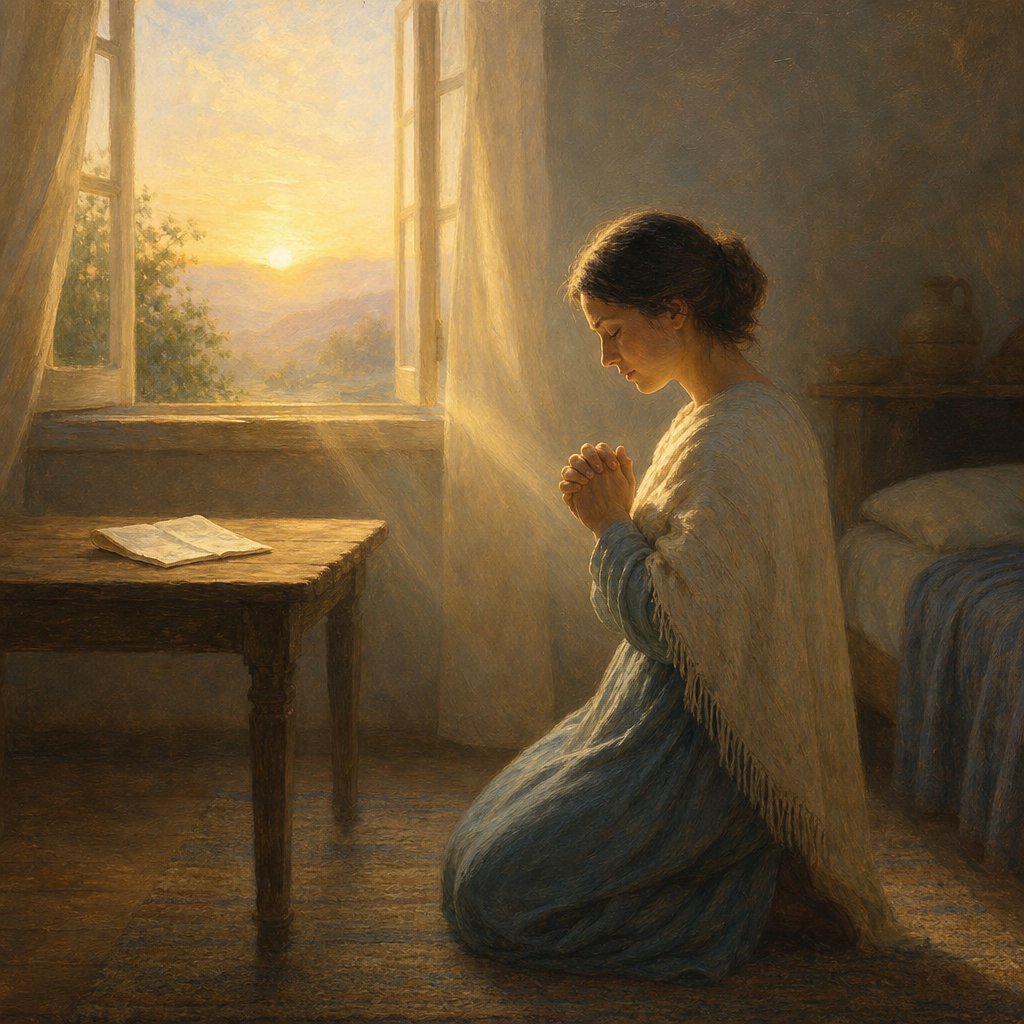
“And if we know that he hear us, whatsoever we ask, we know that we have the petitions that we desired of him.” (1 John 5:15, KJV)
In the closing movement of 1 John, this verse stands as the settled assurance of a believer’s access to God and the certainty of God’s fatherly attention. John has been writing to those who “believe on the name of the Son of God” so that they may “know that ye have eternal life” (1 John 5:13, KJV). The repeated word “know” is not casual; it is John’s chosen language for Christian confidence. 1 John 5:15 continues that theme by carrying assurance from salvation into prayer: the same certainty with which the believer is to rest in the Son is the certainty with which the believer is to pray to the Father.
The verse begins with a conditional that is meant to be pastoral rather than doubtful: “And if we know that he hear us.” John is not questioning whether God hears, but building on a truth he has already set before the reader. Immediately before, he has said, “And this is the confidence that we have in him, that, if we ask any thing according to his will, he heareth us” (1 John 5:14, KJV). Verse 15 is the next step in the same reasoning: if it is settled that God hears prayers offered “according to his will,” then it is also settled that those prayers do not fall to the ground unheard and unanswered. In John’s logic, the hearing of God is not mere awareness; it is receptive, purposeful attention. When Scripture speaks of God “hearing,” it often carries the sense of God inclining himself to act as the covenant Lord. To be heard by him is to be welcomed, not merely noticed.
John then says, “whatsoever we ask,” and in the context of verse 14 this “whatsoever” is not a blank check for every impulse of the human heart, but the broad liberty of asking within the boundaries of God’s will. The will of God is not presented as a cold restriction but as the safe channel in which true prayer runs. John’s readers are being taught that Christian prayer is not an attempt to bend God to us, but a communion in which our desires are progressively formed by what God has revealed and promised. This is consistent with the whole letter’s emphasis that fellowship with God produces likeness to God. As the believer “abideth in him” (1 John 2:27–28, KJV), the believer’s asking becomes less the voice of self and more the echo of God’s own purposes.
The heart of the verse is the movement from God’s hearing to the believer’s having: “we know that we have the petitions that we desired of him.” The word “petitions” gives prayer a humble shape. A petition is a request offered to a superior, and John preserves that reverence even while he speaks of “confidence.” The believer is not bargaining with God or demanding; the believer is bringing needs, intercessions, and desires to the Father in the name and merits of the Son, trusting God’s wisdom and goodness. Yet John also uses strikingly certain language: “we have.” This is the language of possession, but it is a possession rooted in God’s faithfulness rather than in the immediacy of visible results. John is teaching that when God hears prayer according to his will, the answer is already granted in the court of heaven even if its full appearance in time is still unfolding. The believer’s assurance does not rest on changing circumstances but on the unchanging character of the God who hears.
This verse also belongs to a wider context in which prayer is linked to life, obedience, and love. Earlier John has said, “And whatsoever we ask, we receive of him, because we keep his commandments, and do those things that are pleasing in his sight” (1 John 3:22, KJV). In that statement, answered prayer is not separated from a life that seeks to please God. It does not mean that obedience earns answers as wages, but that the life oriented toward God’s commandments is the life most aligned with God’s will, and thus most fitted to ask with spiritual accuracy. Prayer, in John’s vision, is not an isolated religious exercise; it is the breathing of a soul in fellowship with God.
The symbolism in 1 John 5:15 is quiet but profound. “Hearing” is relational language: it suggests nearness, attentiveness, and belonging. In human experience, to be heard is to be known and valued; John applies that comfort to God’s dealings with his children. “Petitions” symbolize dependence and trust, acknowledging that the believer’s life is not self-sustained. “Desired” reminds the reader that prayer engages the heart; God is not indifferent to the believer’s longings, yet he is also wise enough to purify and redirect them. The passage as a whole implies that the believer’s desires, when brought into the light of God’s will, become instruments of communion rather than engines of self-will.
The significance of 1 John 5:15, then, is that it anchors prayer in the certainty of God’s response without turning prayer into presumption. It offers a confident spirituality that is neither anxious nor arrogant. The verse teaches that the believer may approach God with real requests, and may rest in real assurance, because God truly hears and truly grants what accords with his will. In a letter written to fortify Christians against doubt, deception, and spiritual instability, this verse stands as a calm conclusion: the child of God is not left to shout into silence, but speaks to a Father who hears, and who, in hearing, gives.
Get our apps


Artwork for 1 John 5:15

1 John 5:15 - "And if we know that he hear us, whatsoever we ask, we know that we have the petitions that we desired of him."

"And if we know that he hear us, whatsoever we ask, we know that we have the petitions that we desired of him." - 1 John 5:15
"And if we know that he hear us, whatsoever we ask, we know that we have the petitions that we desired of him." - 1 John 5:15

John 15:5

John 15:5

1 John 5:18

John 5:15 - "The man departed, and told the Jews that it was Jesus, which had made him whole."

1 John 5:21 - "Little children, keep yourselves from idols. Amen."

1 John 5:17 - "All unrighteousness is sin: and there is a sin not unto death."

John 1:1-5

John 1:1-5

John 15:1-8

John 15:26 NLT

John 14:15-21

1 John 5:19 - "And we know that we are of God, and the whole world lieth in wickedness."

"Little children, keep yourselves from idols. Amen." - 1 John 5:21

1 John 5:5 - "Who is he that overcometh the world, but he that believeth that Jesus is the Son of God?"

1 John 5:14-15 - "And this is the confidence that we have toward him, that if we ask anything according to his will he hears us. And if we know that he hears us in whatever we ask, we know that we have the requests that we have asked of him."

1 John 5:12 - "He that hath the Son hath life; and he that hath not the Son of God hath not life."

John 15:1 - "I am the true vine, and my Father is the husbandman."

"The man departed, and told the Jews that it was Jesus, which had made him whole." - John 5:15

John 1:5 - "And the light shineth in darkness; and the darkness comprehended it not."

John 5:1 - "After this there was a feast of the Jews; and Jesus went up to Jerusalem."

1 John 5:3 - "For this is the love of God, that we keep his commandments: and his commandments are not grievous."

1 John 5:8 - "And there are three that bear witness in earth, the Spirit, and the water, and the blood: and these three agree in one."

Colossians 3:5-15

John 15:1 - "I am the true vine"

1 John 5:2 - "By this we know that we love the children of God, when we love God, and keep his commandments."

1 John 4:5 - "They are of the world: therefore speak they of the world, and the world heareth them."

John 1:15 - "¶ John bare witness of him, and cried, saying, This was he of whom I spake, He that cometh after me is preferred before me: for he was before me."