What does 1 Kings 11:22 mean?
“Then Pharaoh said unto him, But what hast thou lacked with me, that, behold, thou seekest to go to thine own country? And he answered, Nothing: howbeit let me go in any wise.” — 1 Kings 11:22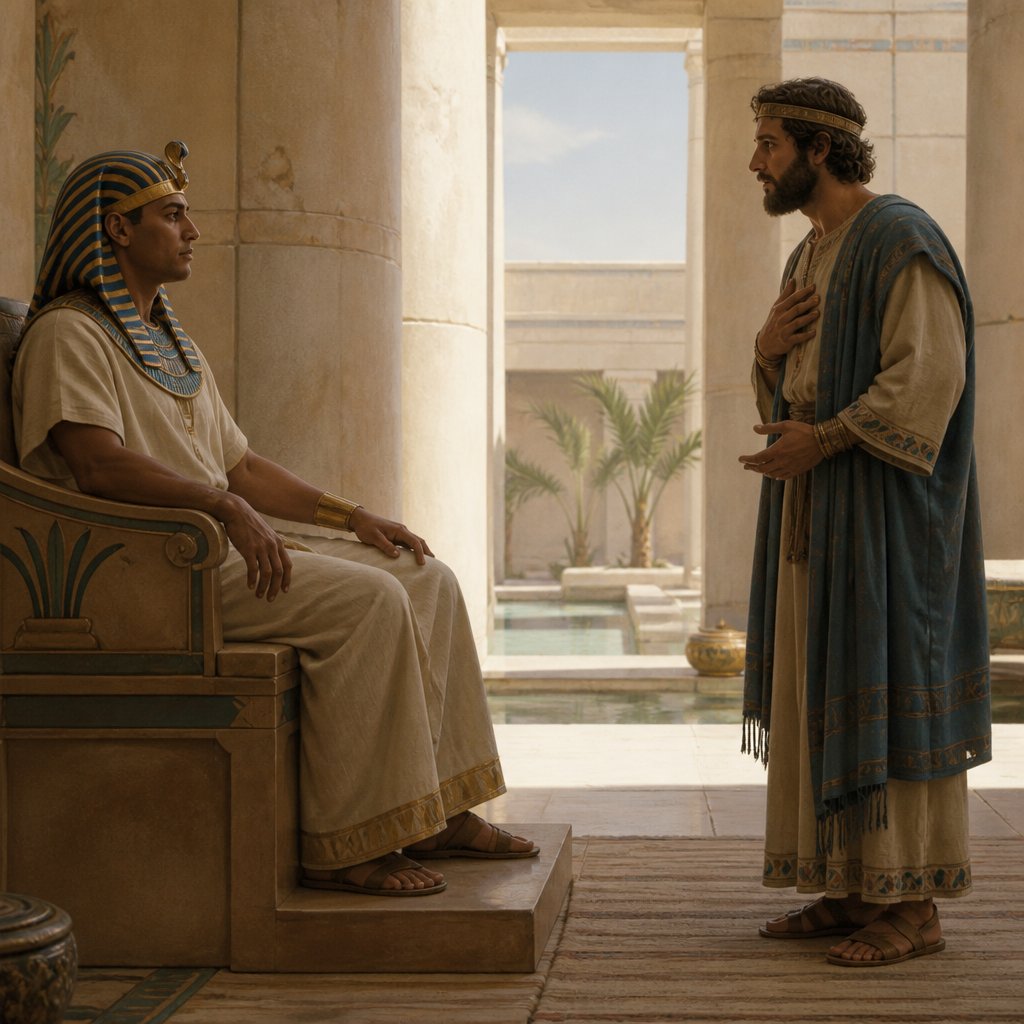
1 Kings 11:22 (KJV) reads, "Then Pharaoh said unto him, But what hast thou lacked with me, that, behold, thou seekest to go to thine own country? And he answered, Nothing: howbeit let me go in any wise."
This verse comes from the Old Testament and is a part of the narrative of King Solomon's reign in Israel. In this chapter, Solomon's downfall is documented, as he turns away from God and towards foreign wives and their idols. The verse specifically deals with the story of a man named Hadad, who had fled to Egypt for fear of Solomon, and is now seeking to return to his own country.
To truly understand the depth of this verse, it is important to consider the historical and cultural context of the time. The exchange between Pharaoh and Hadad is a reflection of the political and social dynamics of the ancient world. It illustrates the complex relationships between nations and the power struggles that were common during this time period.
The themes present in this verse are those of loyalty, power, and the consequences of turning away from God. Hadad's desire to return to his own country despite being well-treated by Pharaoh shows a longing for home and a sense of duty to his own people. Pharaoh's confusion at Hadad's request reflects the self-interest and manipulative nature often displayed by rulers of that era. Despite his apparent concern for Hadad's well-being, Pharaoh would likely be more interested in maintaining a strong relationship with Israel, particularly under the rule of the powerful King Solomon.
The symbolism in this verse is also significant. The journey back to one's own country can be seen as a metaphor for the spiritual journey of returning to God. Hadad's desire to leave the comforts of Egypt, a place of temporary security, and return to his homeland, speaks to the innate human desire for a deeper connection to one's roots and origin. In a similar vein, the verse can be interpreted as a reminder of the importance of remaining true to one's faith and not being swayed by the temptations of the world.
Furthermore, the exchange between Pharaoh and Hadad can also be seen as a cautionary tale about the consequences of prioritizing worldly power and relationships over loyalty to God. Solomon's alliances with foreign nations and his embrace of their idols ultimately led to the downfall of his kingdom. The verse serves as a reminder of the dangers of straying from God's will and seeking fulfillment in earthly desires.
In summary, 1 Kings 11:22 from the King James Version of the Bible offers a rich and profound commentary on the themes of loyalty, power, and the consequences of turning away from God. The historical and cultural context, as well as the symbolism present in the verse, provide ample material for meditation and reflection. It serves as a timeless reminder of the importance of remaining faithful to God and the potential dangers of prioritizing worldly desires over spiritual fulfillment.
Get our apps


Artwork for 1 Kings 11:22
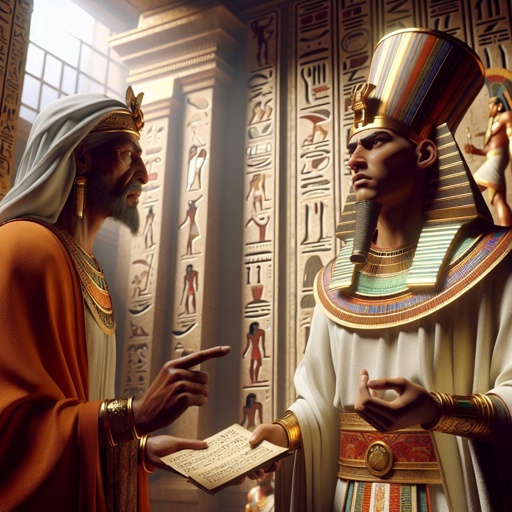
1 Kings 11:22 - "Then Pharaoh said unto him, But what hast thou lacked with me, that, behold, thou seekest to go to thine own country? And he answered, Nothing: howbeit let me go in any wise."
"Then Pharaoh said unto him, But what hast thou lacked with me, that, behold, thou seekest to go to thine own country? And he answered, Nothing: howbeit let me go in any wise." - 1 Kings 11:22
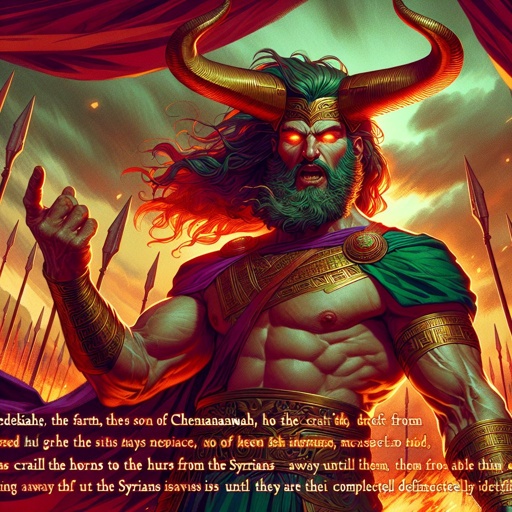
1 Kings 22:11 - "And Zedekiah the son of Chenaanah made him horns of iron: and he said, Thus saith the LORD, With these shalt thou push the Syrians, until thou have consumed them."

1 Kings 11:11

1 Kings 11:11

1 Kings 11:11

1 Kings 11:11

1 Kings 11:13

1 Kings 11:5

1 Kings 11:13

1 Kings 11:11

1 kings 11:11-13

1 Kings 11:11-13

1 Kings 8:22

1 Kings 22:47 - "There was then no king in Edom: a deputy was king."

2 Kings 22:11 - "And it came to pass, when the king had heard the words of the book of the law, that he rent his clothes."

1 Kings 11:29-32

1 kings 22:19

1 Kings 11:11-13

1 Kings 22:44 - "And Jehoshaphat made peace with the king of Israel."

1 Kings 11:1-5

1 Kings 11:30-31

1 Kings 11:30-31

1 Kings 11:30-31

1 Kings 22:1 - "And they continued three years without war between Syria and Israel."

1 Kings 1:22 - "¶ And, lo, while she yet talked with the king, Nathan the prophet also came in."

1 Kings 12:11

1 Kings 12:11

1 Kings 12:11

1 Kings 12:11