What does 1 Kings 11:26 mean?
“And Jeroboam the son of Nebat, an Ephrathite of Zereda, Solomon’s servant, whose mother’s name was Zeruah, a widow woman, even he lifted up his hand against the king.” — 1 Kings 11:26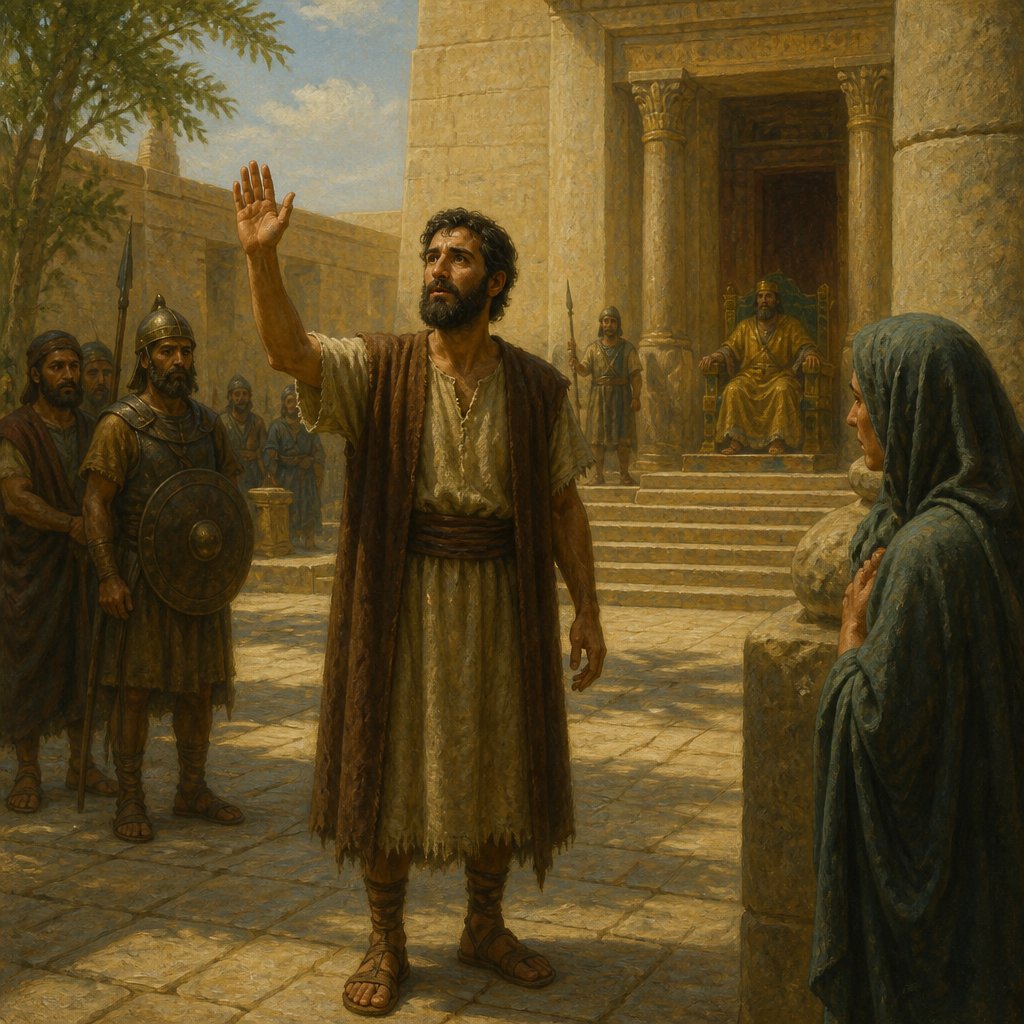
1 Kings 11:26 (KJV) says, "And Jeroboam the son of Nebat, an Ephrathite of Zereda, Solomon's servant, whose mother's name was Zeruah, a widow woman, even he lifted up his hand against the king."
This verse is an integral part of the story of Jeroboam and his rise to power, which is significant in the history of Israel. To truly understand the meaning and commentary on this verse, it is important to delve into the context and symbolism within the broader narrative of the Bible.
The book of 1 Kings is often seen as a historical account of the kingdom of Israel. It begins with the reign of Solomon, who succeeds his father David as king. Solomon, known for his wisdom and wealth, initially rules with God’s favor. However, as his reign progresses, Solomon’s failings become evident. This verse comes at a crucial point in the narrative, as it foreshadows the division of Israel and the rise of Jeroboam as its new leader.
Jeroboam's backstory is also crucial to understanding the significance of this verse. He is introduced as "the son of Nebat, an Ephrathite of Zereda." This establishes his identity and lineage, which will become important as he seeks to establish his own kingdom. The fact that he is "Solomon's servant" also sheds light on his humble beginnings and his eventual rise to power, as it indicates his previous loyalty to the king. The mention of his mother, Zeruah, being a widow woman also suggests a sense of vulnerability and hardship, which may have influenced Jeroboam's character and motivations.
The phrase "lifted up his hand against the king" holds deep symbolism in this verse. It signifies Jeroboam's rebellion and ambition to overthrow Solomon and claim the throne for himself. This act of rebellion is not just a political or personal power struggle, but also a spiritual and symbolic one. It represents the shifting of power and authority in Israel, as well as the consequences of Solomon's disobedience to God's commands.
The themes present in this verse are abundant and significant. First and foremost, it speaks to the complex nature of human ambition and the pursuit of power. Jeroboam's actions reflect the inherent desire for autonomy and authority, which often leads to conflict and division. Additionally, the verse highlights the idea of divine intervention and the consequences of disobedience. Solomon’s drifting from God's commandments ultimately leads to the dissolution of his kingdom.
The broader context of 1 Kings 11 and the subsequent chapters further illustrate the repercussions of Jeroboam's rebellion. After Solomon's death, Jeroboam indeed becomes the ruler of the northern kingdom of Israel, leading to a divided monarchy between the north and the south, known as the era of the divided kingdom. This schism has lasting implications for the history of Israel, including the eventual fall of both kingdoms to foreign powers.
In conclusion, 1 Kings 11:26 holds great thematic and symbolic significance within the biblical narrative. It represents the tension between power, loyalty, and divine consequences, as well as the subsequent division of Israel. By understanding the historical and spiritual context of this verse, we gain insight into the complexities of human nature, the consequences of disobedience, and the overarching theme of God's sovereignty in the unfolding of history.
Get our apps


Artwork for 1 Kings 11:26

1 Kings 11:26 - "¶ And Jeroboam the son of Nebat, an Ephrathite of Zereda, Solomon's servant, whose mother's name was Zeruah, a widow woman, even he lifted up his hand against the king."
"¶ And Jeroboam the son of Nebat, an Ephrathite of Zereda, Solomon's servant, whose mother's name was Zeruah, a widow woman, even he lifted up his hand against the king." - 1 Kings 11:26

1 Kings 14:26
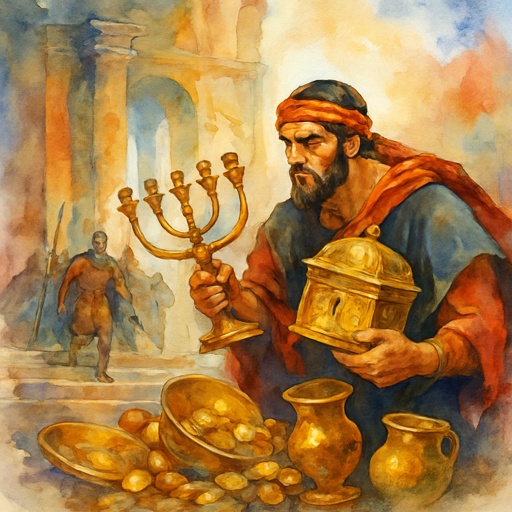
1 Kings 14:26

1 Kings 11:11

1 Kings 11:11

1 Kings 11:11

1 Kings 11:11

1 Kings 11:13

1 Kings 11:5

1 Kings 11:13

1 Kings 11:11

1 kings 11:11-13

1 Kings 11:11-13

1 Kings 11:29-32

1 Kings 11:11-13

1 Kings 11:1-5

1 Kings 11:30-31

1 Kings 11:30-31

1 Kings 11:30-31

1 Corinthians 11:26-29

1 Corinthians 11:26-29

1 Kings 6:26 - "The height of the one cherub was ten cubits, and so was it of the other cherub."

1 Kings 12:11

1 Kings 12:11

1 Kings 12:11
1 Kings 12:11

1 Kings 12:11

1 Kings 12:26 - "And Jeroboam said in his heart, Now shall the kingdom return to the house of David:"

1 Kings 6:11-13