What does 1 Kings 11:32 mean?
"(But he shall have one tribe for my servant David's sake, and for Jerusalem's sake, the city which I have chosen out of all the tribes of Israel:)" - 1 Kings 11:32
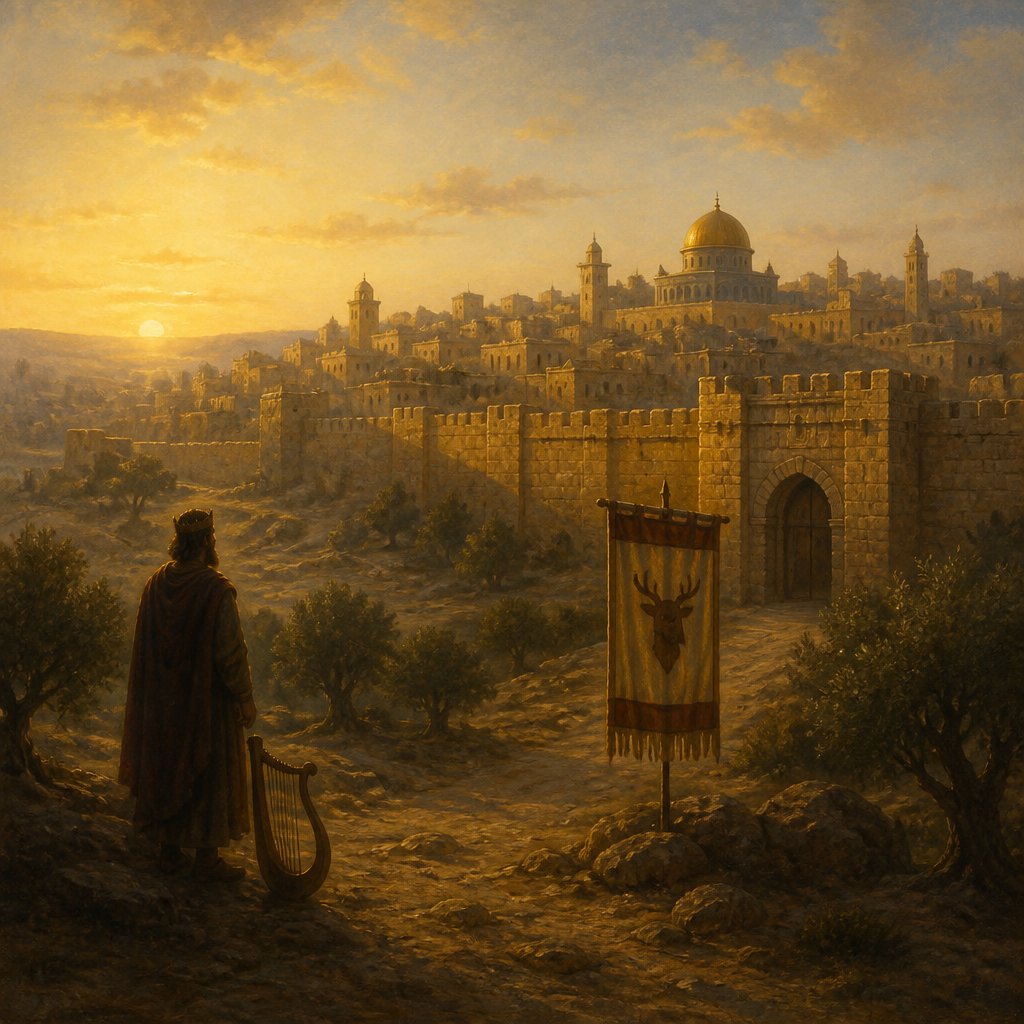
1 Kings 11:32 (KJV) reads, "But he shall have one tribe for my servant David's sake, and for Jerusalem's sake, the city which I have chosen out of all the tribes of Israel."
This verse is part of a larger narrative in the book of 1 Kings that describes the reign of Solomon, the son of David and the third king of Israel. The verse comes at a pivotal moment in the story, as it foreshadows the division of the kingdom of Israel after Solomon's death.
To fully understand the meaning and significance of this verse, it is important to consider the broader context in which it is situated. In the preceding verses, God is addressing Solomon through the prophet Ahijah, and he is informing Solomon of the consequences of his disobedience. God has warned Solomon about his growing infidelity and idolatry, effectively breaking the covenant that God had established with him and his forefather, David. As a result, God declares that he will tear the kingdom away from Solomon and give it to one of his servants, leaving Solomon with only one tribe for the sake of David and the city of Jerusalem.
The verse carries several key themes that are important for understanding its significance. The first theme is the concept of covenant and faithfulness. Throughout the Bible, God is portrayed as a faithful covenant-keeping God, but he also expects his people to be faithful in return. In this verse, we see the consequences of Solomon's unfaithfulness to God and the breaking of the covenant, resulting in the kingdom being divided.
Another important theme in this verse is the idea of the chosen city. Jerusalem is described as the city that God has chosen out of all the tribes of Israel. This reflects the special significance and importance of Jerusalem in the narrative of the Old Testament, as it serves as the religious and political center for the Israelites.
The verse also symbolizes the fulfillment of God's promises to David. Despite Solomon's disobedience, God remains faithful to his promises to David, ensuring that there will always be a remnant of the kingdom left for David's sake. This highlights the enduring nature of God's faithfulness and his commitment to his chosen people, even in the midst of their failings.
The verse also has historical significance, as it marks the beginning of the division of the kingdom of Israel. After Solomon's death, the kingdom is divided into two separate entities: the northern kingdom of Israel and the southern kingdom of Judah. This division leads to a series of conflicts and struggles within the Israelite nation, ultimately leading to their downfall.
In conclusion, 1 Kings 11:32 is a profound and significant verse that encapsulates many important themes and concepts within the larger narrative of the Bible. It serves as a warning about the consequences of unfaithfulness and disobedience, while also highlighting God's enduring faithfulness and commitment to his chosen people. The verse also carries historical and symbolic significance, marking the beginning of a pivotal moment in the history of the Israelite nation. Overall, this verse offers a powerful and thought-provoking insight into the complexities of human faithfulness and God's divine plan.
Have questions about 1 Kings 11:32?
Dive deeper into this scripture with Bible Chat — an AI-powered tool for exploring God's Word through conversation. Ask questions, get context, and grow in your understanding of the Bible.
Get Our Apps


1 Kings 11:32 Artwork

1 Kings 11:32 - "(But he shall have one tribe for my servant David's sake, and for Jerusalem's sake, the city which I have chosen out of all the tribes of Israel:)"
"(But he shall have one tribe for my servant David's sake, and for Jerusalem's sake, the city which I have chosen out of all the tribes of Israel:)" - 1 Kings 11:32

1 Kings 11:29-32

1 Kings 15:32 - "And there was war between Asa and Baasha king of Israel all their days."

1 Kings 11:11

1 Chronicles 11:32 - "Hurai of the brooks of Gaash, Abiel the Arbathite,"

1 Kings 11:11

1 Kings 11:11

1 Kings 11:11

1 Kings 11:13

1 Kings 11:5

1 Kings 11:13

1 Kings 11:11

1 kings 11:11-13

1 Kings 11:11-13

1 Kings 1:32 - "¶ And king David said, Call me Zadok the priest, and Nathan the prophet, and Benaiah the son of Jehoiada. And they came before the king."

1 Kings 11:11-13

1 Kings 4:32 - "And he spake three thousand proverbs: and his songs were a thousand and five."

1 Kings 11:1-5

1 Kings 11:30-31

1 Kings 11:30-31

1 Kings 11:30-31

1 Corinthians 11:32 - "But when we are judged, we are chastened of the Lord, that we should not be condemned with the world."

1 Kings 16:32 - "And he reared up an altar for Baal in the house of Baal, which he had built in Samaria."

1 Kings 12:11

1 Kings 12:11

1 Kings 12:11
1 Kings 12:11

1 Kings 12:11

1 Kings 7:32 - "And under the borders were four wheels; and the axletrees of the wheels were joined to the base: and the height of a wheel was a cubit and half a cubit."