What does 1 Kings 12:13 mean?
“And the king answered the people roughly, and forsook the old men’s counsel that they gave him;” — 1 Kings 12:13
1 Kings 12:13 (KJV) says, "And the king answered the people roughly, and forsook the old men\'s counsel that they gave him."
This verse comes from the book of 1 Kings, which is a historical account of the reigns of various kings of Israel and Judah. The specific context of this verse is the division of the kingdom of Israel after the death of King Solomon. His son, Rehoboam, succeeded him as king, and the people of Israel came to him requesting relief from the heavy burden of taxes and labor that had been placed on them during Solomon's reign. The elders of Israel advised Rehoboam to speak gently to the people and offer them some relief in order to maintain the unity of the kingdom. However, Rehoboam rejected their counsel and instead chose to respond harshly to the people's pleas, leading to the division of the kingdom.
This verse speaks to the theme of the consequences of pride and arrogance. Rehoboam's refusal to listen to the wise counsel of his elders ultimately led to the splitting of the kingdom and the loss of a portion of his reign. It shows the destructive power of pride and stubbornness, as well as the importance of seeking and heeding wise advice.
The symbolism in this verse lies in the contrast between the "old men's counsel" and the king's rough response. The elders represent wisdom, experience, and a desire for unity, while the king's harshness represents arrogance, stubbornness, and division. It serves as a cautionary tale about the importance of humility and the dangers of pride.
The verse also serves as a lesson in leadership. It illustrates the crucial role of a leader's decisions in shaping the destiny of a nation. Rehoboam's failure to govern wisely and compassionately resulted in a significant loss for the kingdom, and his example stands as a warning to leaders about the consequences of their choices.
In a broader theological context, this verse can be seen as a reflection of the broader biblical theme of the importance of humility and obedience to God. Throughout the Bible, God calls upon His people to seek wisdom, listen to wise counsel, and act with compassion and justice. The failure of Rehoboam in this regard serves as a reminder of the consequences of disobedience and the importance of aligning oneself with God's will.
In conclusion, 1 Kings 12:13 is a powerful verse that holds relevance and insight for both leaders and individuals. It serves as a cautionary tale about the destructive power of pride and the importance of seeking and heeding wise counsel. It also reflects the broader biblical themes of humility, obedience, and the consequences of disobedience. This verse offers a timeless lesson for all who seek to govern, lead, and live in accordance with God's will.
Get our apps


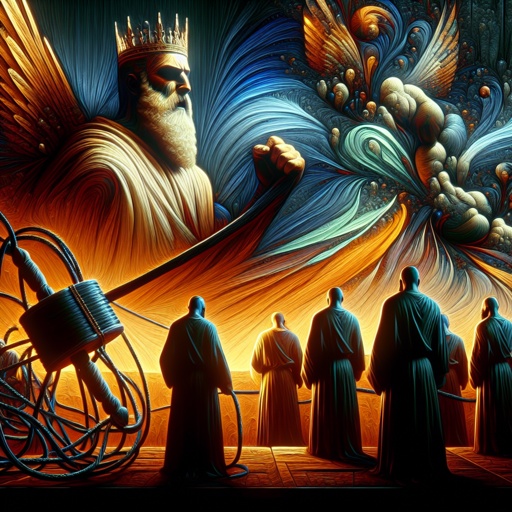
Artwork for 1 Kings 12:13

1 Kings 12:13 - "And the king answered the people roughly, and forsook the old men's counsel that they gave him;"

"And the king answered the people roughly, and forsook the old men's counsel that they gave him;" - 1 Kings 12:13

1 Kings 13:12 - "And their father said unto them, What way went he? For his sons had seen what way the man of God went, which came from Judah."

1 Kings 12:11

1 Kings 12:11

1 Kings 12:10

1 Kings 12:10

1 Kings 12:10

1 Kings 12:11

1 Kings 12:10
1 Kings 12:11

1 Kings 12:14

1 Kings 12:14

1 Kings 12:11

2 Kings 13:12 - "And the rest of the acts of Joash, and all that he did, and his might wherewith he fought against Amaziah king of Judah, are they not written in the book of the chronicles of the kings of Israel?"

1 Corinthians 12:12-13

1 Kings 11:13

1 Kings 11:13

1 kings 3:12

1 Kings 6:11-13

1 kings 11:11-13

1 Kings 11:11-13

1 Kings 6:11-13

1 Kings 6:11-13

1 Kings 6:11-13

1 Kings 6:11-13

1 Kings 11:11-13

1 Samuel 12:13

1 Samuel 12:13

1 Kings 7:13 - "¶ And king Solomon sent and fetched Hiram out of Tyre."