What does 1 Kings 13:1 mean?
“And, behold, there came a man of God out of Judah by the word of the LORD unto Beth-el: and Jeroboam stood by the altar to burn incense.” — 1 Kings 13:1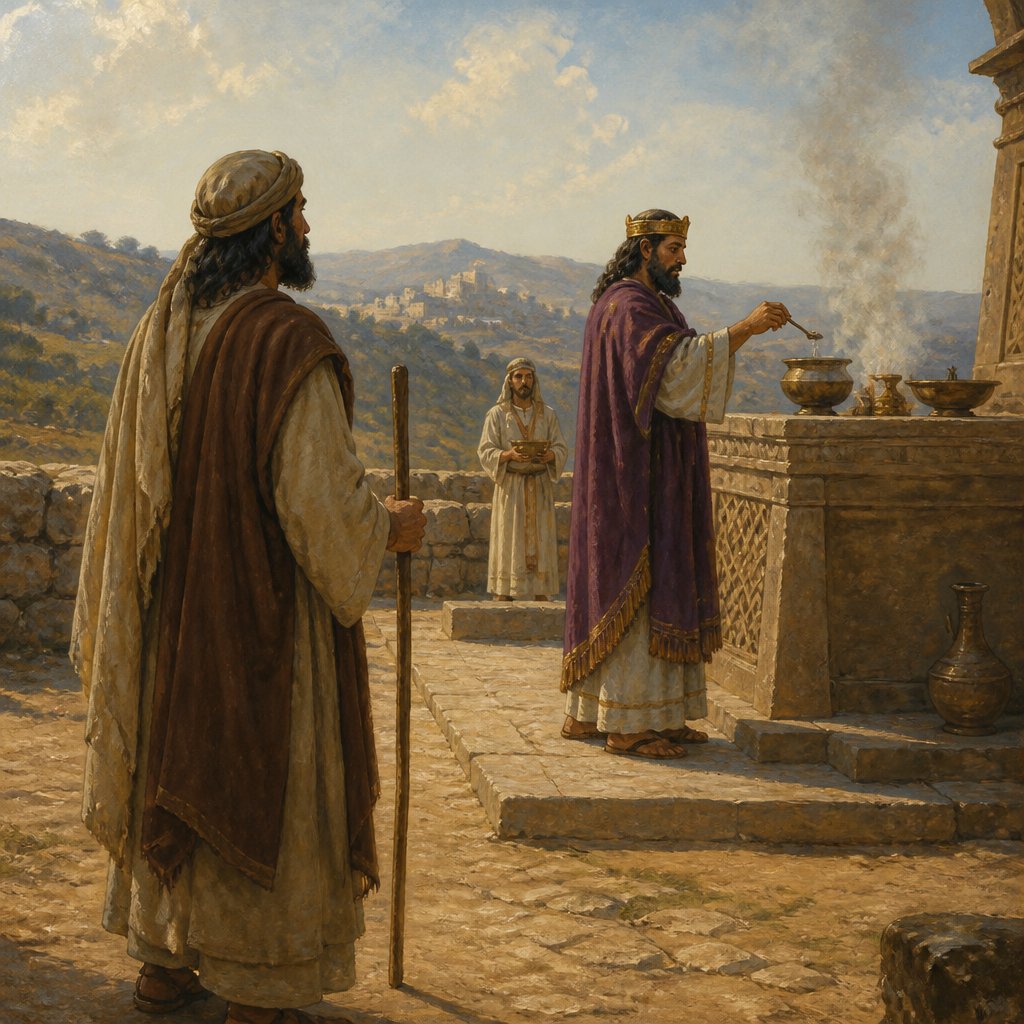
1 Kings 13:1 (KJV) states, "And, behold, there came a man of God out of Judah by the word of the Lord unto Bethel: and Jeroboam stood by the altar to burn incense."
This verse is taken from the Old Testament, specifically from the book of 1 Kings, which recounts the history of Israel after the death of King David. The verse introduces a significant event in the history of Israel, where a man of God is sent to deliver a message from the Lord to the king of Israel, Jeroboam.
The verse begins with "And, behold," which signifies that the following events are of great importance and should be paid close attention to. The phrase "there came a man of God out of Judah" indicates that the man was a prophet or a messenger of the Lord, and he came from the southern kingdom of Judah. This is significant because it reveals that the message being delivered is not from man, but from God Himself.
The passage goes on to say that the man of God came "by the word of the Lord unto Bethel." Bethel was a significant religious center in the northern kingdom of Israel, and it was a place where Jeroboam had set up an altar for the worship of false gods. The fact that the man of God was sent to Bethel "by the word of the Lord" reinforces the divine nature of his mission and the importance of his message.
The verse then mentions that Jeroboam stood by the altar to burn incense. Jeroboam, the king of Israel, had led the people away from the worship of the true God and had set up false altars and idols for their worship. By standing at the altar to burn incense, Jeroboam was engaging in a form of idolatry and disobedience to the Lord's commands. This sets the stage for the confrontation between the man of God and the king.
This verse is rich in symbolism and themes that are central to the biblical narrative. One of the key themes is the conflict between true worship and idolatry. Jeroboam's actions represent the ongoing struggle of the Israelites to remain faithful to the Lord and resist the temptation to worship false gods. The man of God's arrival at Bethel signifies God's continued concern for the spiritual welfare of His people and his desire for them to turn away from idols and back to Him.
Another important theme in this verse is the authority and sovereignty of God. The fact that the man of God came "by the word of the Lord" emphasizes that his message is not his own, but comes directly from God. This highlights the belief in the divine inspiration of the prophets and the importance of heeding their words as coming from God Himself. Additionally, Jeroboam's disobedience to the true worship of God reflects the overarching theme of the consequences of rebellion against God's commands.
In conclusion, 1 Kings 13:1 is a significant verse in the biblical narrative, setting the stage for a confrontation between a faithful messenger of God and a disobedient king. It encapsulates themes of true worship, idolatry, and the authority of God, all of which are central to the biblical narrative. This verse serves as a reminder of the ongoing struggle to remain faithful to God and the consequences of turning away from Him.
Get our apps


Artwork for 1 Kings 13:1

1 Kings 13:1 - "And, behold, there came a man of God out of Judah by the word of the LORD unto Beth-el: and Jeroboam stood by the altar to burn incense."
"And, behold, there came a man of God out of Judah by the word of the LORD unto Beth-el: and Jeroboam stood by the altar to burn incense." - 1 Kings 13:1

1 Kings 11:13

1 Kings 11:13

1 Kings 6:11-13

1 kings 11:11-13

1 Kings 11:11-13

1 Kings 6:11-13

1 Kings 6:11-13

1 Kings 6:11-13

1 Kings 6:11-13

1 Kings 11:11-13

1 Kings 7:13 - "¶ And king Solomon sent and fetched Hiram out of Tyre."

1 Kings 12:13 - "And the king answered the people roughly, and forsook the old men's counsel that they gave him;"

1 Kings 13:13 - "And he said unto his sons, Saddle me the ass. So they saddled him the ass: and he rode thereon,"

1 Kings 6:13 - "And I will dwell among the children of Israel, and will not forsake my people Israel."

1 Kings 13:15 - "Then he said unto him, Come home with me, and eat bread."

1 Kings 5:13 - "¶ And king Solomon raised a levy out of all Israel; and the levy was thirty thousand men."

1 Kings 13:27 - "And he spake to his sons, saying, Saddle me the ass. And they saddled him."

1 Kings 13:10 - "So he went another way, and returned not by the way that he came to Beth-el."

1 Kings 13:20 - "¶ And it came to pass, as they sat at the table, that the word of the LORD came unto the prophet that brought him back:"

1 Kings 13:19 - "So he went back with him, and did eat bread in his house, and drank water."

1 Kings 8:13 - "I have surely built thee an house to dwell in, a settled place for thee to abide in for ever."

1 Kings 13:7 - "And the king said unto the man of God, Come home with me, and refresh thyself, and I will give thee a reward."

1 Kings 13:34 - "And this thing became sin unto the house of Jeroboam, even to cut it off, and to destroy it from off the face of the earth."

1 Kings 13:30 - "And he laid his carcase in his own grave; and they mourned over him, saying, Alas, my brother!"

1 Kings 3:13 - "And I have also given thee that which thou hast not asked, both riches, and honour: so that there shall not be any among the kings like unto thee all thy days."
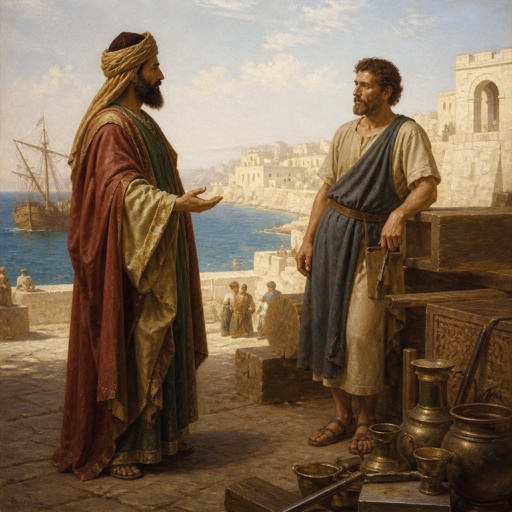
"¶ And king Solomon sent and fetched Hiram out of Tyre." - 1 Kings 7:13

1 Kings 2:13 - "¶ And Adonijah the son of Haggith came to Bath-sheba the mother of Solomon. And she said, Comest thou peaceably? And he said, Peaceably."

1 Kings 13:5 - "The altar also was rent, and the ashes poured out from the altar, according to the sign which the man of God had given by the word of the LORD."