What does 1 Kings 13:16 mean?
“And he said, I may not return with thee, nor go in with thee: neither will I eat bread nor drink water with thee in this place:” — 1 Kings 13:16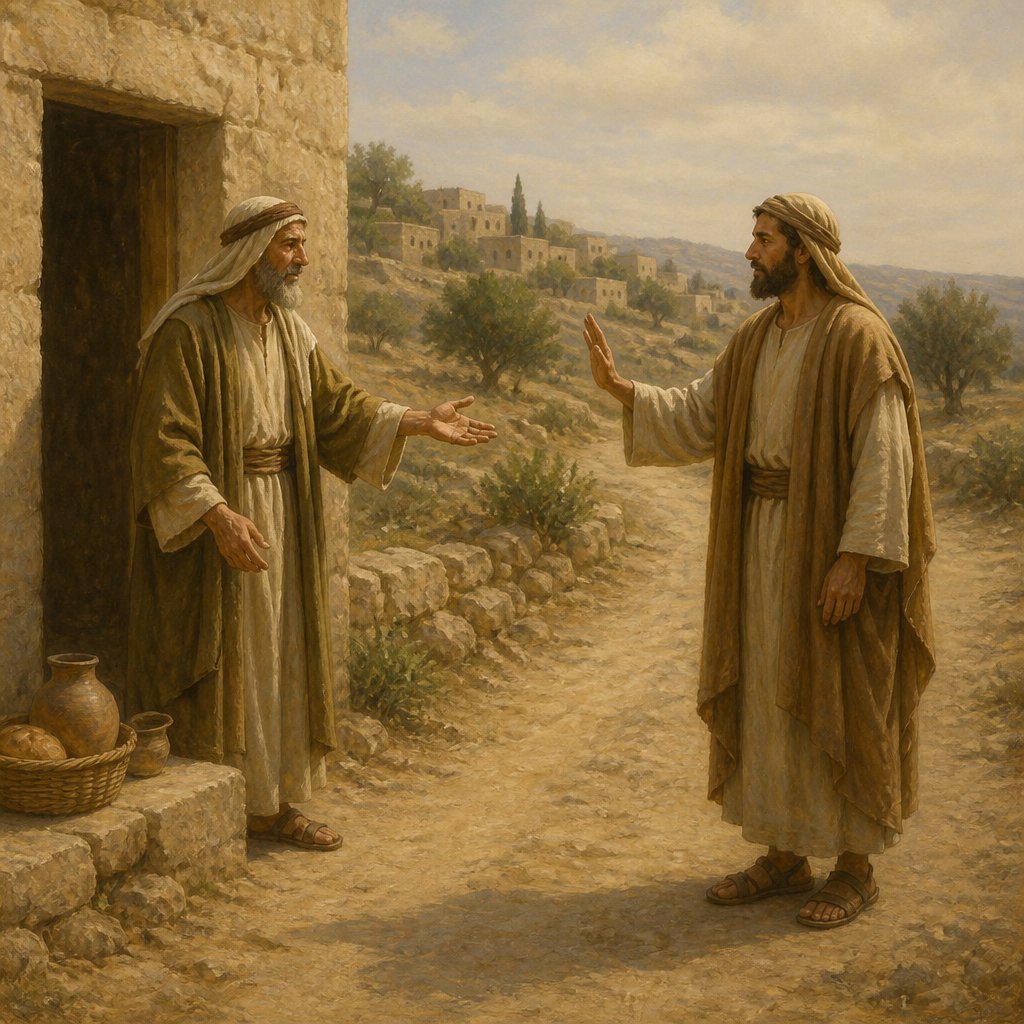
1 Kings 13:16 (KJV): "And he said, I may not return with thee, nor go in with thee: neither will I eat bread nor drink water with thee in this place."
This verse is part of the Old Testament narrative and follows the story of a man of God who had come from Judah to deliver a message to King Jeroboam of Israel. The man of God had been given specific instructions from the Lord not to eat or drink anything while in the land of Israel and not to take the same route home. After delivering his message to the king, the man of God was approached by an older prophet from Bethel who invited him to come to his house and eat. The man of God refused, stating the words found in 1 Kings 13:16.
The underlying theme of this verse and the larger narrative is obedience to God's commands. The man of God had received clear instructions from the Lord and was committed to following them. His refusal to eat or drink with the older prophet demonstrated his commitment to obedience above personal comfort or the desires of others. This theme of obedience is central to the Christian faith and is echoed throughout the Bible.
The context of this verse is also important in understanding its significance. At this time in Israel's history, the nation was divided into two kingdoms: the northern kingdom of Israel and the southern kingdom of Judah. King Jeroboam was ruling over the northern kingdom and was known for leading the people into idolatry and away from the worship of the true God. The man of God had been sent to deliver a message of judgment to Jeroboam, highlighting the consequences of disobedience to God's commandments. In this context, the man of God's refusal to eat or drink in the land of Israel symbolized his commitment to standing apart from the idolatrous practices of the northern kingdom.
Symbolism plays a significant role in this verse as well. The act of eating and drinking can symbolize fellowship, communion, and acceptance. By refusing to eat or drink with the older prophet, the man of God was symbolically rejecting fellowship and communion with someone who did not share his commitment to obeying God's commands. This symbolizes the importance of spiritual discernment and the need for believers to be cautious about the company they keep and the influences they allow into their lives. It also symbolizes the separation of the man of God from the idolatrous practices of the northern kingdom, further emphasizing the theme of obedience and commitment to God's commands.
In conclusion, 1 Kings 13:16 is a verse that carries significant meaning and symbolism within the larger narrative of the Old Testament. It underscores the importance of obedience to God's commands, the need for spiritual discernment, and the symbolism of separating oneself from ungodly influences. This verse serves as a reminder for believers to prioritize obedience to God above all else and to be mindful of the company they keep.
Get our apps


Artwork for 1 Kings 13:16

1 Kings 13:16 - "And he said, I may not return with thee, nor go in with thee: neither will I eat bread nor drink water with thee in this place:"
"And he said, I may not return with thee, nor go in with thee: neither will I eat bread nor drink water with thee in this place:" - 1 Kings 13:16
1 Kings 16:13 - "For all the sins of Baasha, and the sins of Elah his son, by which they sinned, and by which they made Israel to sin, in provoking the LORD God of Israel to anger with their vanities."

Proverbs 16:13 - "Righteous lips are the delight of kings; and they love him that speaketh right."

1 Samuel 16:1–13

revelation 1:13-16

1 Kings 11:13

1 Kings 11:13

Luke 16:1-13

Revelations 1:13-16

Luke 16:1-13

Luke 16:1-13

1 Kings 20:16 - "And they went out at noon. But Ben-hadad was drinking himself drunk in the pavilions, he and the kings, the thirty and two kings that helped him."

Mark 10:13–16

1 Kings 16:14 - "Now the rest of the acts of Elah, and all that he did, are they not written in the book of the chronicles of the kings of Israel?"

1 Kings 6:11-13

1 kings 11:11-13

1 Kings 11:11-13

1 Kings 1:16 - "And Bath-sheba bowed, and did obeisance unto the king. And the king said, What wouldest thou?"

1 Kings 4:16 - "Baanah the son of Hushai was in Asher and in Aloth:"

1 Kings 16:1 - "Then the word of the LORD came to Jehu the son of Hanani against Baasha, saying,"

1 Kings 6:11-13

1 Kings 6:11-13

1 Kings 6:11-13

1 Kings 6:11-13

1 Kings 11:11-13

1 Kings 16:20 - "Now the rest of the acts of Zimri, and his treason that he wrought, are they not written in the book of the chronicles of the kings of Israel?"

1 Kings 16:5 - "Now the rest of the acts of Baasha, and what he did, and his might, are they not written in the book of the chronicles of the kings of Israel?"

1 Timothy 6:15-16 – "God, the blessed and only Ruler, the King of kings and Lord of lords."

1 Timothy 6:15-16 – "God, the blessed and only Ruler, the King of kings and Lord of lords."