What does 1 Kings 14:3 mean?
"And take with thee ten loaves, and cracknels, and a cruse of honey, and go to him: he shall tell thee what shall become of the child." - 1 Kings 14:3
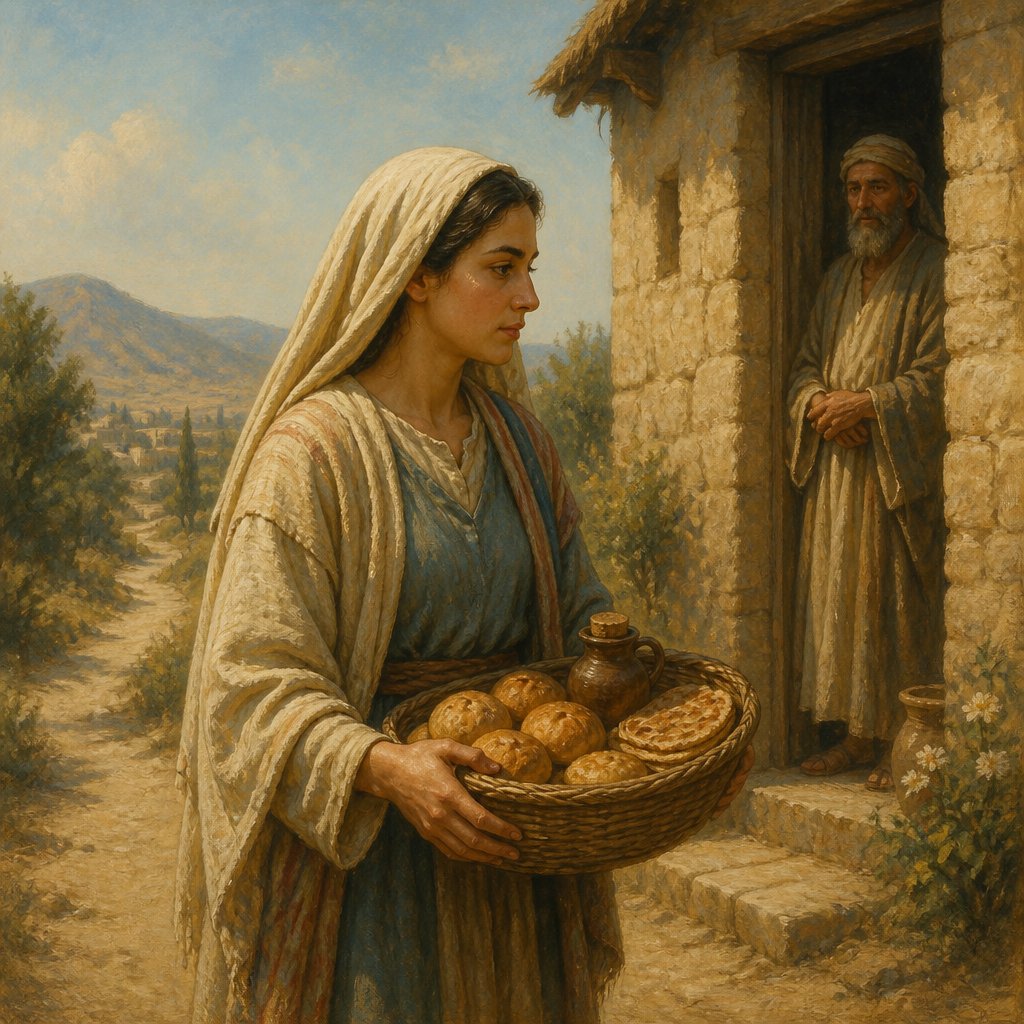
1 Kings 14:3 (KJV) says, "And take with thee ten loaves, and cracknels, and a cruse of honey, and go to him: he shall tell thee what shall become of the child."
This verse is part of the historical narrative in the book of 1 Kings, which details the reign of King Solomon's son, Rehoboam. The verse occurs within the context of a distressing situation in which Rehoboam's son, Abijah, falls ill. Rehoboam is desperate for answers regarding the fate of his son's health, so he sends his wife, disguised as a common woman, to seek guidance from the prophet Ahijah.
The meaning of this verse is not immediately apparent, but a closer examination reveals several important themes and symbols. Firstly, the act of sending Rehoboam's wife in disguise speaks to the desperation of the situation. The disguise is a symbol of the lengths to which Rehoboam is willing to go in order to seek help for his son. It also suggests a lack of faith in the prophet, as Rehoboam sees the need to conceal his identity as a member of the royal family.
The items Rehoboam's wife is instructed to bring to the prophet also hold significance. The ten loaves and cracknels represent a simple provision of food, emphasizing the humble and modest nature of the request. This is in stark contrast to the wealth and opulence typically associated with royalty. The cruse of honey symbolizes sweetness and goodness, perhaps serving as a plea for mercy and compassion in the face of a grave situation. These items collectively reflect a sense of humility and supplication before the prophet, recognizing his authority and seeking his intercession in their time of need.
The prophet Ahijah himself is a significant figure in this verse. He represents the connection between the divine and the earthly realm. As a conduit for the word of God, his role is crucial in providing guidance and insight into the situation at hand. His ability to discern the future of the child speaks to the power of prophecy and the belief in a higher authority that governs the fate of individuals.
The themes of faith, humility, and divine intervention are central to the message of this verse. It portrays a royal family seeking guidance and help from a prophet in a time of crisis. The act of sending Rehoboam's wife in disguise and the choice of simple provisions as an offering reflect the humility and desperation of the situation. The reliance on the prophet's words to determine the fate of the child demonstrates a deep-rooted belief in the power of prophecy and the sovereignty of God.
In a broader context, this verse reminds readers of the universal human experience of facing trials and seeking guidance and intervention from a higher power. It also emphasizes the importance of humility and faith in times of distress. The message is one of hope and trust in the divine, even when faced with uncertainty and fear.
In conclusion, 1 Kings 14:3 (KJV) carries a profound message about faith, humility, and the reliance on divine intervention. It presents a vivid depiction of a royal family seeking help from a prophet in a time of crisis, highlighting the universal human experience of seeking guidance and support in times of need. The verse serves as a reminder of the power of faith and the belief in a higher authority that governs the fate of individuals.
Have questions about 1 Kings 14:3?
Dive deeper into this scripture with Bible Chat — an AI-powered tool for exploring God's Word through conversation. Ask questions, get context, and grow in your understanding of the Bible.
Get Our Apps


1 Kings 14:3 Artwork

1 Kings 14:3 - "And take with thee ten loaves, and cracknels, and a cruse of honey, and go to him: he shall tell thee what shall become of the child."
"And take with thee ten loaves, and cracknels, and a cruse of honey, and go to him: he shall tell thee what shall become of the child." - 1 Kings 14:3

Soothing the Soul: The Gospel of Gentle Care 1 Kings 19:3-8; 1 Samuel 16:14-23

Soothing the Soul: The Gospel of Gentle Care 1 Kings 19:3-8; 1 Samuel 16:14-23

1 Kings 3:14 - "And if thou wilt walk in my ways, to keep my statutes and my commandments, as thy father David did walk, then I will lengthen thy days."

1 Kings 14:1-20

1 Kings 14:26
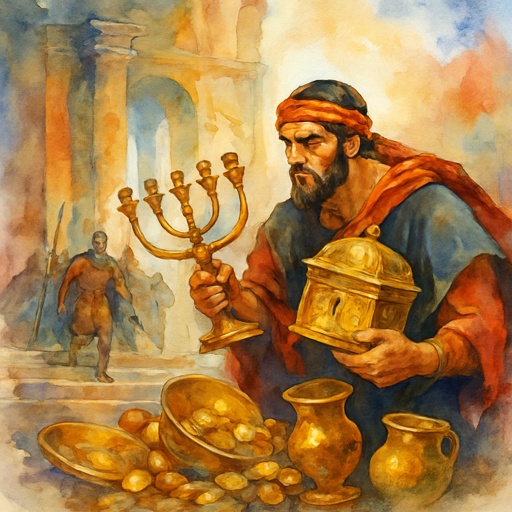
1 Kings 14:26

Job 3:14 - "With kings and counsellors of the earth, which built desolate places for themselves;"

1 Kings 12:14

1 Kings 12:14

1 Kings 14:1 - "At that time Abijah the son of Jeroboam fell sick."

1 Kings 9:14 - "And Hiram sent to the king sixscore talents of gold."

1 Kings 14:29 - "¶ Now the rest of the acts of Rehoboam, and all that he did, are they not written in the book of the chronicles of the kings of Judah?"

1 Kings 16:14 - "Now the rest of the acts of Elah, and all that he did, are they not written in the book of the chronicles of the kings of Israel?"

1 Kings 6:14 - "So Solomon built the house, and finished it."

1 Kings 4:14 - "Ahinadab the son of Iddo had Mahanaim:"

1 kings 3:15

1 Kings 3:9

exodus 3:14

Joshua 3:14

Joshua 3:14

John 3:14

Joshua 3:14

Joshua 3:14

1 kings 3:15

1 kings 3:12

1 Kings 21:14 - "Then they sent to Jezebel, saying, Naboth is stoned, and is dead."

1 Kings 14:30 - "And there was war between Rehoboam and Jeroboam all their days."

1 Kings 14:19 - "And the rest of the acts of Jeroboam, how he warred, and how he reigned, behold, they are written in the book of the chronicles of the kings of Israel."