What does 1 Kings 14:15 mean?
“For the LORD shall smite Israel, as a reed is shaken in the water, and he shall root up Israel out of this good land, which he gave to their fathers, and shall scatter them beyond the river, because they have made their groves, provoking the LORD to anger.” — 1 Kings 14:15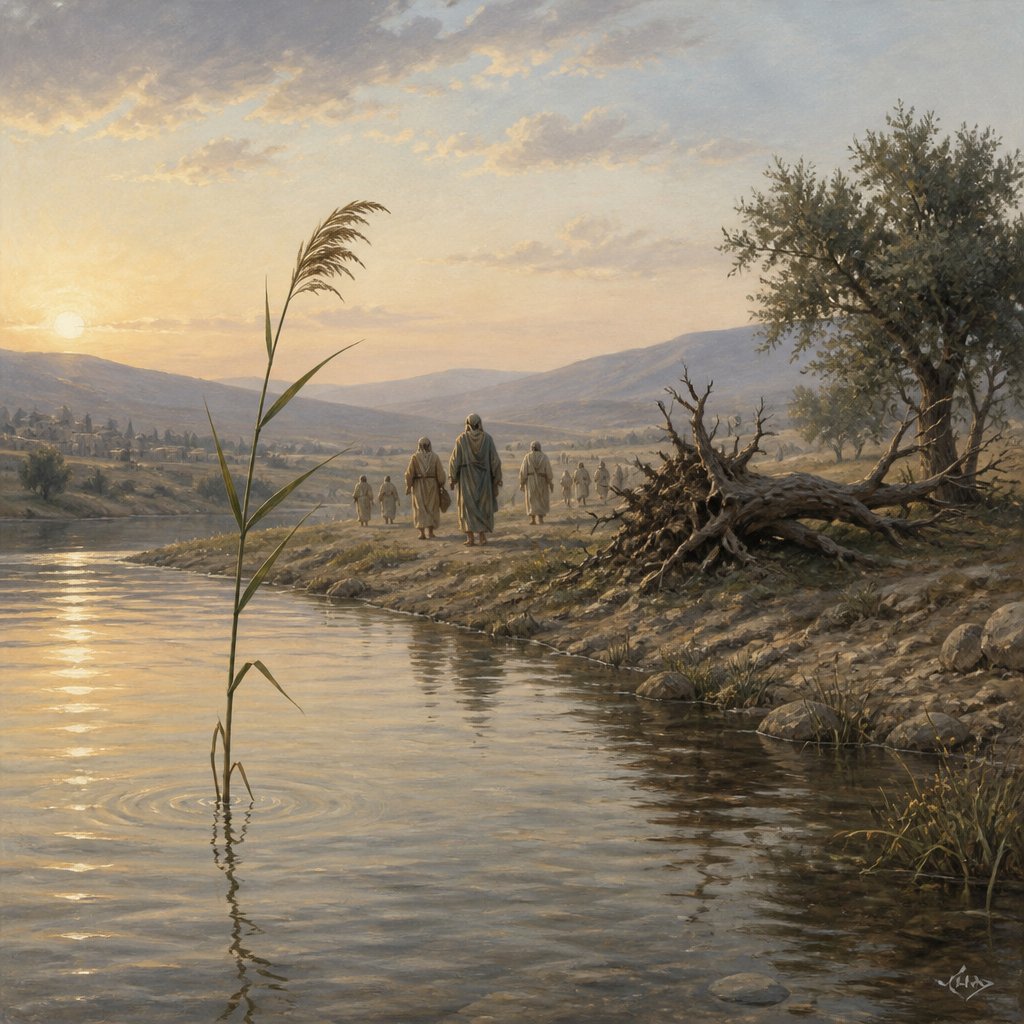
1 Kings 14:15 (KJV) says, "For the Lord shall smite Israel, as a reed is shaken in the water, and he shall root up Israel out of this good land, which he gave to their fathers, and shall scatter them beyond the river, because they have made their groves, provoking the Lord to anger."
This verse is a part of the Old Testament, specifically from the book of 1 Kings. It is part of a prophecy given by the prophet Ahijah to Jeroboam, the first king of the northern kingdom of Israel. The verse speaks of the consequences of the people's disobedience and idolatry, foretelling their punishment and dispersion.
The imagery used in this verse is rich and vivid. The comparison of Israel to a reed shaken in the water suggests a degree of instability and vulnerability. When a reed is shaken in the water, it has no control over its movements, and it bends and sways in response to external forces. Similarly, Israel is depicted as being shaken and uprooted by the hand of the Lord, indicating a loss of stability and security. The visual of something being rooted up out of the ground also conveys a sense of violence and destruction. In this case, it symbolizes the Lord's judgment upon the people for their sin.
The mention of the "good land" given to their fathers refers to the land of Canaan, which God had promised to the descendants of Abraham, Isaac, and Jacob. This land was considered to be a blessing and a gift from God, representing His covenant with the Israelites. However, the verse declares that the people's disobedience has led to the forfeiture of this land. The Lord will scatter them beyond the river, a symbolic act of distancing them from their inheritance and placing them in exile.
The reference to the people making "groves" alludes to their involvement in pagan worship practices, particularly the worship of false gods and idols. Throughout the Old Testament, the setting up of groves or Asherah poles was a common form of idolatry that provoked the Lord to anger. This act of turning away from the one true God and embracing false idols was a direct violation of the first commandment, which instructed the Israelites to have no other gods before the Lord.
The overarching themes in this verse include the consequences of disobedience, the sovereignty of God, and the faithfulness of God to His covenant. The verse serves as a stark reminder of the seriousness of sin and the righteous judgment of God. It emphasizes the importance of remaining faithful and obedient to God's commandments, and the dire consequences of turning away from Him.
In a broader context, this verse also points to the historical and theological significance of the nation of Israel. The Old Testament narrative consistently demonstrates the cycle of disobedience, punishment, and restoration experienced by the Israelites. Their history serves as a cautionary tale for future generations, highlighting the destructive power of sin and the unwavering justice of God.
Additionally, the symbolism of being rooted up and scattered beyond the river can be seen as a foreshadowing of the Babylonian exile, a pivotal event in Israel's history. This exile was a direct result of the people's persistent disobedience and idolatry, leading to the loss of their land and the dismantling of their nation. However, even in the midst of judgment, God's faithfulness remained, as He eventually brought His people back to their land and fulfilled His promises of restoration.
In conclusion, 1 Kings 14:15 is a potent reminder of the solemn consequences of sin and the unyielding justice of God. It conveys a powerful message about the importance of faithfulness and obedience, while also pointing to the enduring faithfulness of God to His people. The vivid imagery and prophetic nature of this verse make it a compelling and sobering reflection on the complexities of human morality and the divine nature of God.
Get our apps


Artwork for 1 Kings 14:15

1 Kings 14:15 - "For the LORD shall smite Israel, as a reed is shaken in the water, and he shall root up Israel out of this good land, which he gave to their fathers, and shall scatter them beyond the river, because they have made their groves, provoking the LORD to anger."
"For the LORD shall smite Israel, as a reed is shaken in the water, and he shall root up Israel out of this good land, which he gave to their fathers, and shall scatter them beyond the river, because they have made their groves, provoking the LORD to anger." - 1 Kings 14:15

1 Kings 15:14 - "But the high places were not removed: nevertheless Asa's heart was perfect with the LORD all his days."

1 Kings 14:1-20

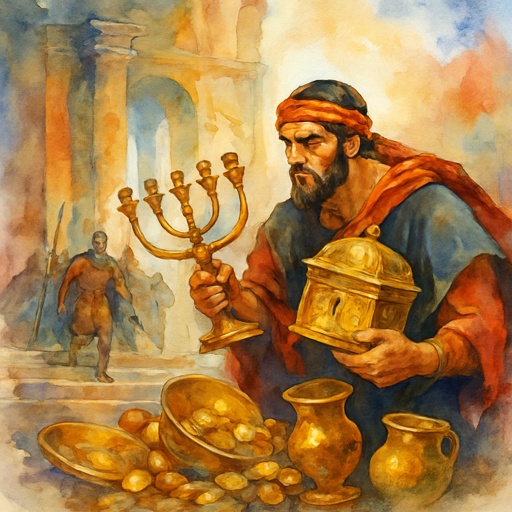
1 Kings 14:26
1 Kings 14:26
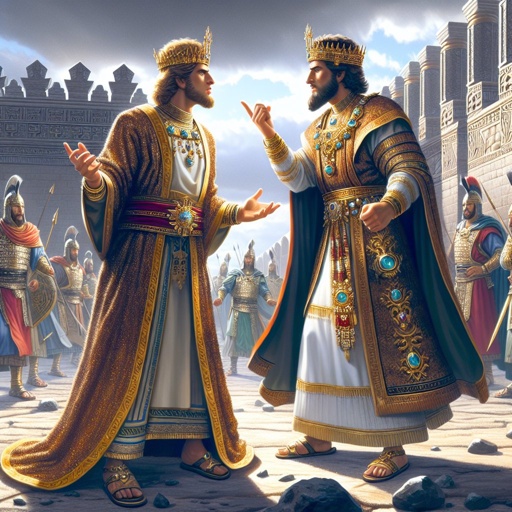
2 Kings 14:15 - "¶ Now the rest of the acts of Jehoash which he did, and his might, and how he fought with Amaziah king of Judah, are they not written in the book of the chronicles of the kings of Israel?"

"But the high places were not removed: nevertheless Asa's heart was perfect with the LORD all his days." - 1 Kings 15:14

1 kings 3:15

1 kings 3:15

1 Kings 12:14

1 Kings 12:14

1 Kings 14:1 - "At that time Abijah the son of Jeroboam fell sick."

Luke 11:14-15

John 14:15-21

1 Kings 15:31 - "¶ Now the rest of the acts of Nadab, and all that he did, are they not written in the book of the chronicles of the kings of Israel?"

1 Kings 10:15 - "Beside that he had of the merchantmen, and of the traffick of the spice merchants, and of all the kings of Arabia, and of the governors of the country."

1 Kings 9:14 - "And Hiram sent to the king sixscore talents of gold."

1 Kings 14:29 - "¶ Now the rest of the acts of Rehoboam, and all that he did, are they not written in the book of the chronicles of the kings of Judah?"

1 Kings 15:1 - "Now in the eighteenth year of king Jeroboam the son of Nebat reigned Abijam over Judah."

1 Kings 16:14 - "Now the rest of the acts of Elah, and all that he did, are they not written in the book of the chronicles of the kings of Israel?"

1 Kings 6:14 - "So Solomon built the house, and finished it."

1 Kings 4:14 - "Ahinadab the son of Iddo had Mahanaim:"

1 Kings 11:1-5

1 Timothy 6:15-16 – "God, the blessed and only Ruler, the King of kings and Lord of lords."

1 Kings 15:32 - "And there was war between Asa and Baasha king of Israel all their days."

1 Kings 15:16 - "¶ And there was war between Asa and Baasha king of Israel all their days."

1 Timothy 6:15-16 – "God, the blessed and only Ruler, the King of kings and Lord of lords."

1 Timothy 6:15-16 – "God, the blessed and only Ruler, the King of kings and Lord of lords."
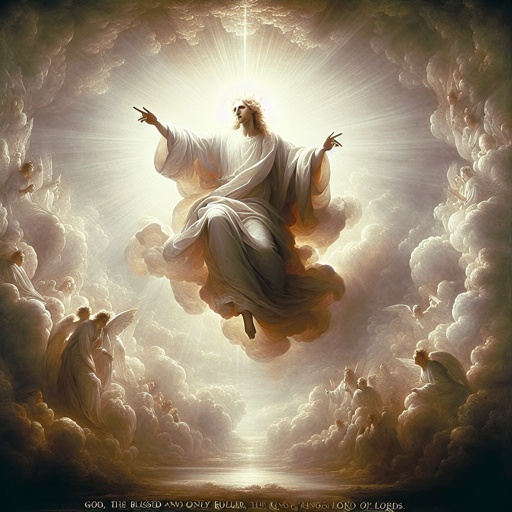
1 Timothy 6:15-16 – "God, the blessed and only Ruler, the King of kings and Lord of lords."