What does 1 Kings 16:18 mean?
"And it came to pass, when Zimri saw that the city was taken, that he went into the palace of the king's house, and burnt the king's house over him with fire, and died," - 1 Kings 16:18
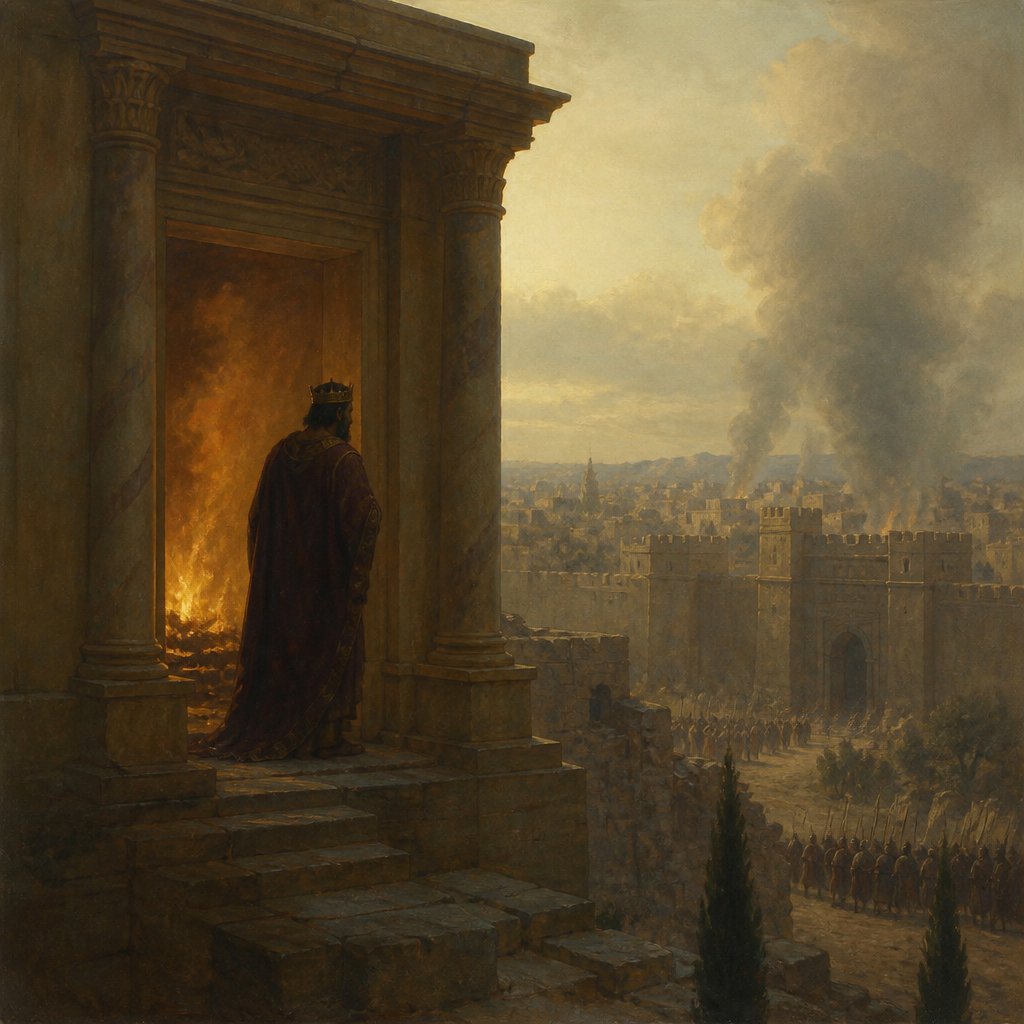
1 Kings 16:18 (KJV) - “And it came to pass, when Zimri saw that the city was taken, that he went into the palace of the king's house, and burnt the king's house over him with fire, and died.”
This verse is part of the historical narrative in the book of 1 Kings, which tells the story of the rise and fall of various kings in ancient Israel. In this particular passage, Zimri, a military commander, sets fire to the palace of the king and dies in the blaze. This act of rebellion and suicide has deep symbolic and thematic significance within the larger context of the biblical narrative.
The first key theme that can be identified in this verse is that of rebellion and the consequences of sin. Zimri's actions are a direct rebellion against the established authority of the king. This act of rebellion ultimately leads to his own death, as he perishes in the fire that he himself ignited. This serves as a powerful reminder of the destructive nature of sin and the consequences that arise from going against God's will and established order.
The verse also speaks about the transient nature of power and wealth. The fact that Zimri saw that the city was taken before he committed this act suggests that he was motivated by a desire to maintain power and control. The sudden and violent downfall of Zimri's rule and his subsequent death in the fire serves as a stark reminder of the fleeting nature of human authority and the ultimate futility of seeking power for its own sake.
Additionally, the imagery of fire and destruction in this verse can be seen as symbolic of God's judgment. Throughout the Bible, fire is often used as a symbol of God's presence, purification, and judgment. In this context, Zimri's death in the fire serves as a powerful illustration of divine retribution for his sinful actions and rebellion against God's ordained authority.
Moreover, the act of Zimri setting fire to the king's house can be interpreted as an act of desecration and destruction. The king's house was a symbol of power, authority, and prestige, and by burning it, Zimri sought to destroy not only the physical structure but also the very institution of kingship itself. This act reflects the destructive nature of rebellion and the lengths to which individuals will go to exert their own will and assert their own power.
In the broader context of the book of 1 Kings, this passage also serves as a warning to future generations about the dangers of forsaking God's commands and seeking power for selfish gain. The story of Zimri's rebellion and subsequent death serves as a cautionary tale about the destructive consequences of sin and the fleeting nature of human power and authority.
Overall, 1 Kings 16:18 sheds light on important themes of rebellion, sin, divine judgment, and the transient nature of human power. It serves as a powerful reminder of the consequences that arise from going against God's will and the ultimately futile pursuit of power and control for its own sake. This verse offers timeless lessons and warnings that are relevant for readers both then and now, and it continues to serve as a poignant reminder of the consequences of turning away from God.
Have questions about 1 Kings 16:18?
Dive deeper into this scripture with Bible Chat — an AI-powered tool for exploring God's Word through conversation. Ask questions, get context, and grow in your understanding of the Bible.
Get Our Apps


1 Kings 16:18 Artwork

1 Kings 16:18 - "And it came to pass, when Zimri saw that the city was taken, that he went into the palace of the king's house, and burnt the king's house over him with fire, and died,"
"And it came to pass, when Zimri saw that the city was taken, that he went into the palace of the king's house, and burnt the king's house over him with fire, and died," - 1 Kings 16:18

1 Kings 18:16 - "So Obadiah went to meet Ahab, and told him: and Ahab went to meet Elijah."
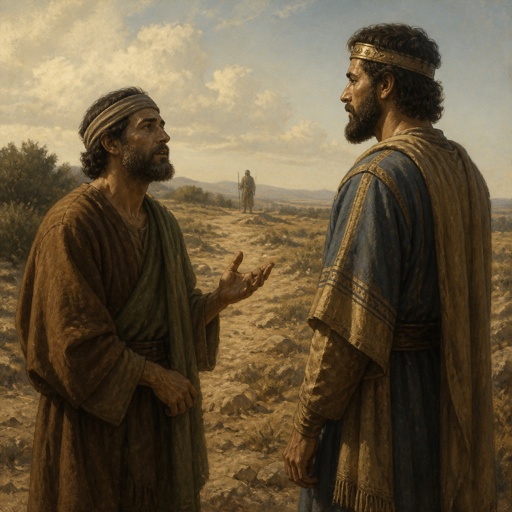
"So Obadiah went to meet Ahab, and told him: and Ahab went to meet Elijah." - 1 Kings 18:16

2 Kings 16:18 - "And the covert for the sabbath that they had built in the house, and the king's entry without, turned he from the house of the LORD for the king of Assyria."

1 Kings 19:1-18
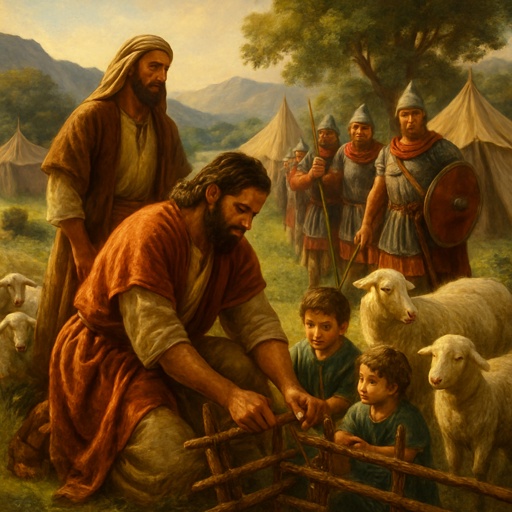
Numbers 32:16-18
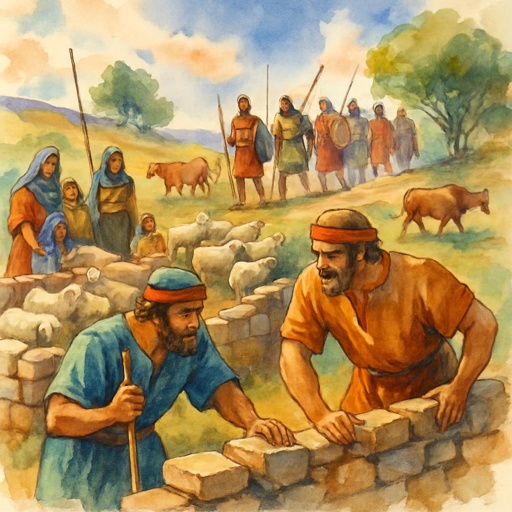
Numbers 32:16-18

Psalm 10:16-18

1 Kings 4:18 - "Shimei the son of Elah, in Benjamin:"

1 Kings 9:18 - "And Baalath, and Tadmor in the wilderness, in the land,"

2 Kings 1:18 - "Now the rest of the acts of Ahaziah which he did, are they not written in the book of the chronicles of the kings of Israel?"

1 Kings 1:18 - "And now, behold, Adonijah reigneth; and now, my lord the king, thou knowest it not:"

1 Kings 20:16 - "And they went out at noon. But Ben-hadad was drinking himself drunk in the pavilions, he and the kings, the thirty and two kings that helped him."

1 Kings 16:14 - "Now the rest of the acts of Elah, and all that he did, are they not written in the book of the chronicles of the kings of Israel?"

1 Kings 1:16 - "And Bath-sheba bowed, and did obeisance unto the king. And the king said, What wouldest thou?"

1 Kings 4:16 - "Baanah the son of Hushai was in Asher and in Aloth:"

1 Kings 16:1 - "Then the word of the LORD came to Jehu the son of Hanani against Baasha, saying,"

2 Kings 18:16 - "At that time did Hezekiah cut off the gold from the doors of the temple of the LORD, and from the pillars which Hezekiah king of Judah had overlaid, and gave it to the king of Assyria."

1 Kings 16:5 - "Now the rest of the acts of Baasha, and what he did, and his might, are they not written in the book of the chronicles of the kings of Israel?"

1 Kings 16:20 - "Now the rest of the acts of Zimri, and his treason that he wrought, are they not written in the book of the chronicles of the kings of Israel?"

1 Timothy 6:15-16 – "God, the blessed and only Ruler, the King of kings and Lord of lords."

1 Timothy 6:15-16 – "God, the blessed and only Ruler, the King of kings and Lord of lords."
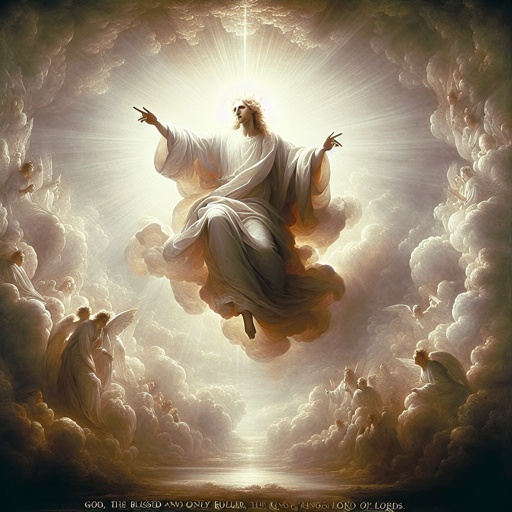
1 Timothy 6:15-16 – "God, the blessed and only Ruler, the King of kings and Lord of lords."

1 Kings 10:18 - "¶ Moreover the king made a great throne of ivory, and overlaid it with the best gold."

1 Kings 2:18 - "And Bath-sheba said, Well; I will speak for thee unto the king."

1 Timothy 6:15-16 – "God, the blessed and only Ruler, the King of kings and Lord of lords."

1 Kings 15:16 - "¶ And there was war between Asa and Baasha king of Israel all their days."

1 Timothy 6:15-16 – "God, the blessed and only Ruler, the King of kings and Lord of lords."

1 Kings 3:16 - "¶ Then came there two women, that were harlots, unto the king, and stood before him."