What does 1 Kings 16:3 mean?
“Behold, I will take away the posterity of Baasha, and the posterity of his house; and will make thy house like the house of Jeroboam the son of Nebat.” — 1 Kings 16:3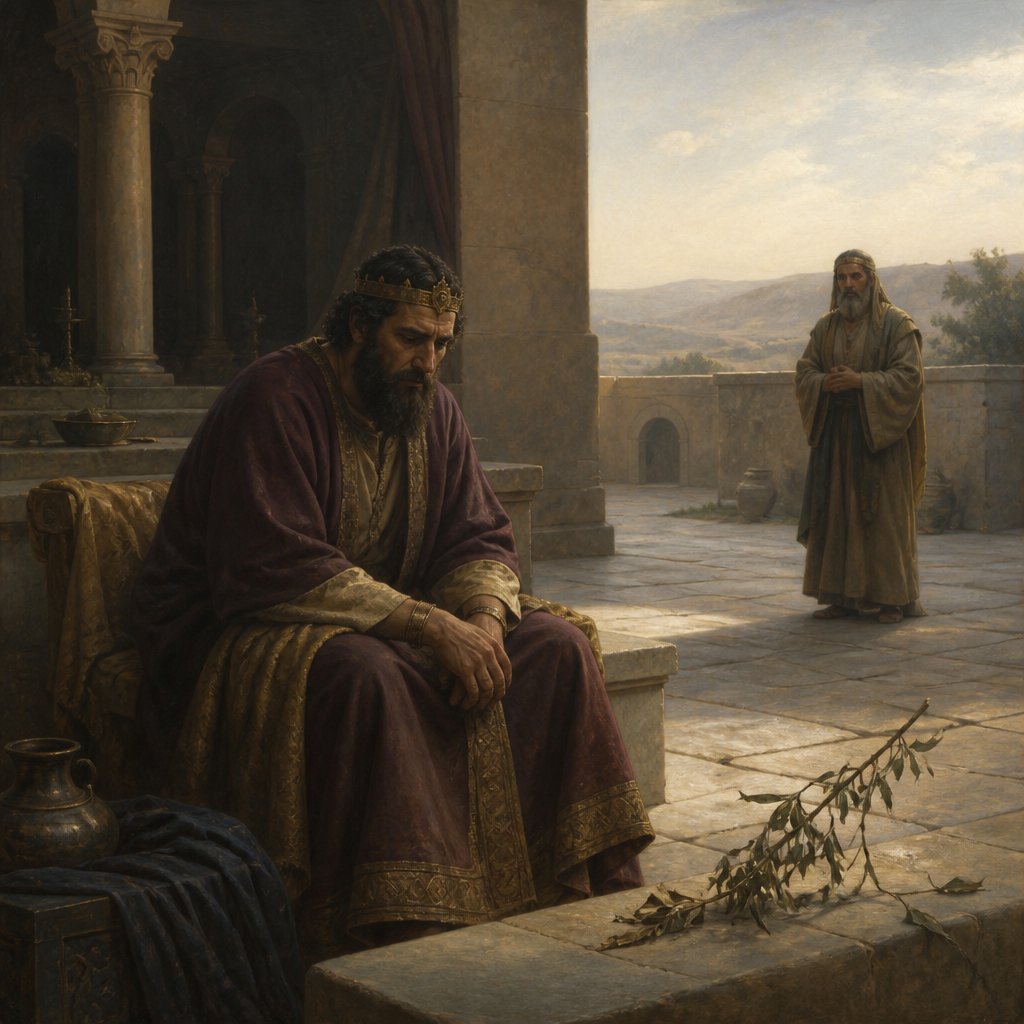
1 Kings 16:3 (KJV) says, "Behold, I will take away the posterity of Baasha, and the posterity of his house; and will make thy house like the house of Jeroboam the son of Nebat."
In this verse, we see the prophet Jehu delivering a message from the Lord to Baasha, the king of Israel. This verse is part of a larger narrative that unfolds in the book of 1 Kings, which tells the story of the divided kingdom of Israel and Judah and the various kings who ruled during this time.
To fully understand the meaning and significance of this verse, it is important to consider the context in which it is situated. Baasha was a king of Israel who came to power by killing Nadab, the son of Jeroboam, thereby fulfilling the judgment of the prophet Ahijah. Baasha continued in the wicked ways of Jeroboam, leading Israel further into idolatry and sin.
The Lord's message to Baasha through the prophet Jehu is a declaration of judgment and punishment for his sins. The Lord states that he will take away the posterity, or descendants, of Baasha and his house, just as he did with the house of Jeroboam. This pronouncement of judgment is consistent with the Lord's previous warnings to the kings of Israel, emphasizing the consequences of their disobedience and unfaithfulness.
The symbolism in this verse is significant and underscores the broader themes of obedience, judgment, and divine authority found throughout the Bible. The comparison of Baasha's house to that of Jeroboam's house serves as a powerful symbol of the Lord's faithfulness to his word and his unwavering commitment to justice. Despite the passage of time and the changing circumstances, the Lord's promises and judgments remain constant and true.
Furthermore, this verse highlights the theme of divine sovereignty and the ultimate authority of the Lord over the affairs of humanity. The Lord's pronouncement of judgment against Baasha serves as a reminder that ultimately, the fate of kings and kingdoms is in the hands of the Almighty. This theme is echoed in other parts of the Bible, such as Psalm 22:28 which states, "For the kingdom is the Lord's: and he is the governor among the nations."
Additionally, this verse illustrates the principle of reaping what one sows, as Baasha and his house face the consequences of their disobedience and unfaithfulness. This theme is a recurring motif in the Bible, emphasizing the moral and spiritual laws that govern the universe and the inevitability of facing the repercussions of one's actions.
In conclusion, 1 Kings 16:3 (KJV) holds significant meaning and commentary within the larger narrative of the Bible. It serves as a poignant reminder of the Lord's faithfulness to his word, his authority over the affairs of humanity, and the inevitability of facing the consequences of one's actions. The symbolic and thematic elements embedded in this verse resonate throughout the biblical text, offering timeless lessons and insights for readers today.
Get our apps


Artwork for 1 Kings 16:3

1 Kings 16:3 - "Behold, I will take away the posterity of Baasha, and the posterity of his house; and will make thy house like the house of Jeroboam the son of Nebat."
"Behold, I will take away the posterity of Baasha, and the posterity of his house; and will make thy house like the house of Jeroboam the son of Nebat." - 1 Kings 16:3

1 Kings 3:16 - "¶ Then came there two women, that were harlots, unto the king, and stood before him."

Kings 3:16

Kings 3:16

Kings 3:16

Soothing the Soul: The Gospel of Gentle Care 1 Kings 19:3-8; 1 Samuel 16:14-23

Soothing the Soul: The Gospel of Gentle Care 1 Kings 19:3-8; 1 Samuel 16:14-23

2 Kings 3:16-19

"¶ Then came there two women, that were harlots, unto the king, and stood before him." - 1 Kings 3:16

2 Kings 3:16 - "And he said, Thus saith the LORD, Make this valley full of ditches."

1 corinthians 3:16-17

1 corinthians 3:16-17

1 Kings 20:16 - "And they went out at noon. But Ben-hadad was drinking himself drunk in the pavilions, he and the kings, the thirty and two kings that helped him."

1 corinthians 3:16-17

1 Kings 16:14 - "Now the rest of the acts of Elah, and all that he did, are they not written in the book of the chronicles of the kings of Israel?"

1 Kings 1:16 - "And Bath-sheba bowed, and did obeisance unto the king. And the king said, What wouldest thou?"

Joshua 3:16

Genesis 3:16

John 3:16

1 Kings 4:16 - "Baanah the son of Hushai was in Asher and in Aloth:"

1 Kings 16:1 - "Then the word of the LORD came to Jehu the son of Hanani against Baasha, saying,"

John 3:16

1 Kings 16:20 - "Now the rest of the acts of Zimri, and his treason that he wrought, are they not written in the book of the chronicles of the kings of Israel?"

1 Kings 16:5 - "Now the rest of the acts of Baasha, and what he did, and his might, are they not written in the book of the chronicles of the kings of Israel?"

1 Timothy 6:15-16 – "God, the blessed and only Ruler, the King of kings and Lord of lords."

1 Timothy 6:15-16 – "God, the blessed and only Ruler, the King of kings and Lord of lords."
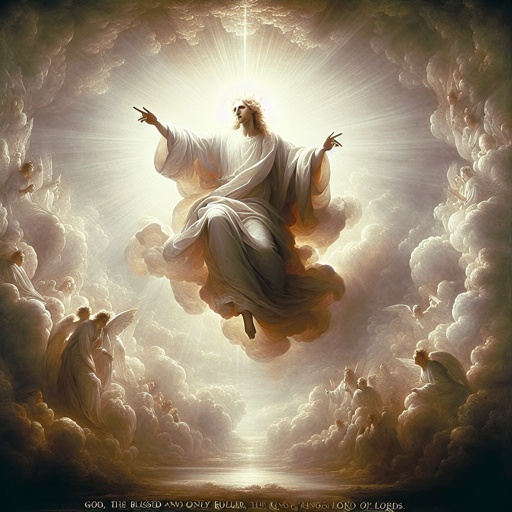
1 Timothy 6:15-16 – "God, the blessed and only Ruler, the King of kings and Lord of lords."

John 3:16

John 3:16