What does 1 Kings 16:8 mean?
“In the twenty and sixth year of Asa king of Judah began Elah the son of Baasha to reign over Israel in Tirzah, two years.” — 1 Kings 16:8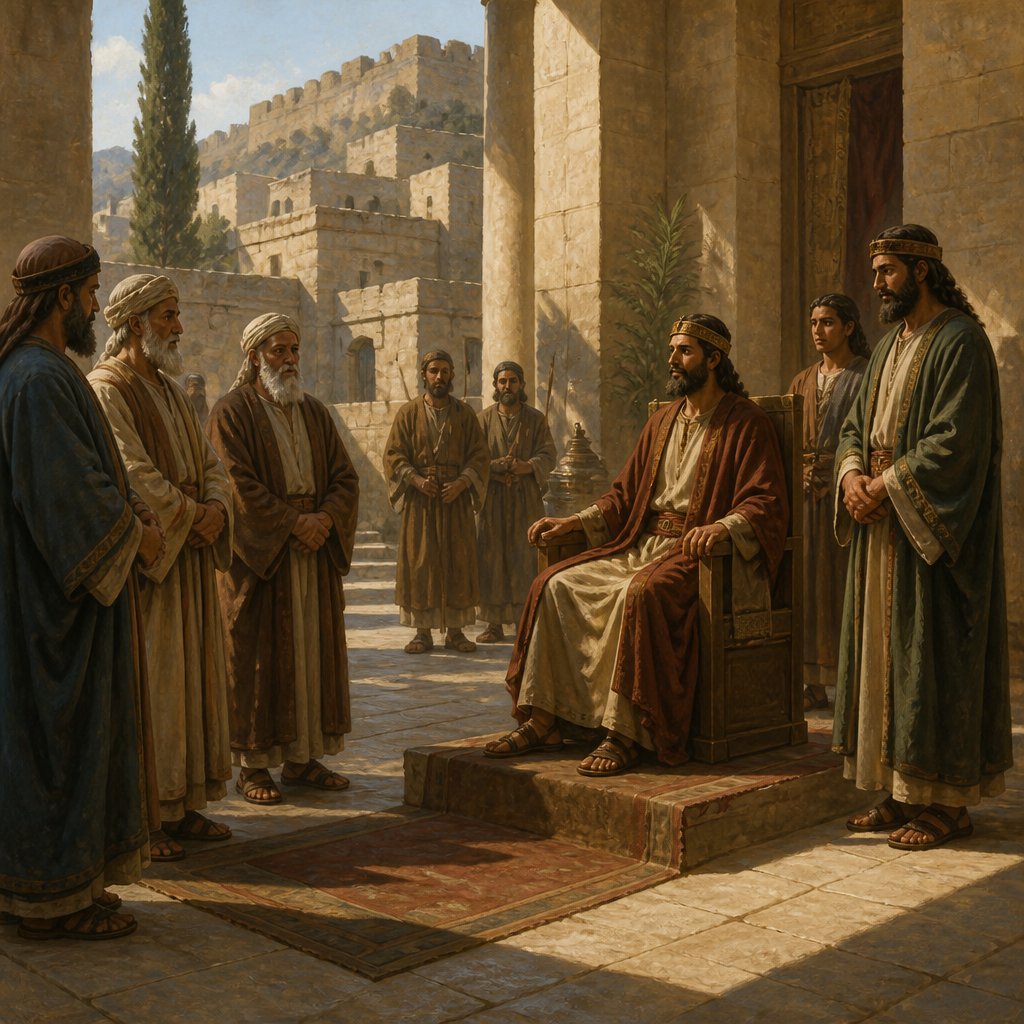
1 Kings 16:8 (KJV) states: "In the twenty and sixth year of Asa king of Judah began Elah the son of Baasha to reign over Israel in Tirzah, two years."
This passage is a part of the historical record of the kings of Israel and Judah, found in the books of 1 and 2 Kings in the Old Testament. It marks the beginning of the reign of Elah, son of Baasha, over the northern kingdom of Israel. To truly understand the significance of this verse, it is important to consider its context within the larger narrative of the Bible as a whole.
The book of 1 Kings is primarily concerned with the history of the Israelite monarchy, following the death of King David. It explores the successes and failures of the various kings who ruled over the divided kingdom of Israel and Judah. Throughout the book, the authors provide moral and religious commentary on the actions of these rulers, highlighting the consequences of their obedience or disobedience to God's commands.
In the case of 1 Kings 16:8, the succession of Elah to the throne of Israel is significant for several reasons. Firstly, his reign marks a continuation of the pattern of instability and violence that characterized the northern kingdom during this period. Baasha, Elah's father, had come to power through a coup against the previous dynasty, and his reign was marked by bloodshed and political turmoil. Therefore, Elah's ascension to the throne represents a continuation of this tumultuous legacy.
Secondly, the brief mention of King Asa of Judah in this verse is noteworthy. The synchronistic dating of Asa's reign serves to connect the events in Israel with those in Judah, highlighting the parallel histories of the two kingdoms. Throughout the book of Kings, the authors frequently compare the actions and fates of the kings of Israel and Judah, emphasizing the importance of faithfulness to God's covenant in determining the success or failure of a reign.
From a symbolic standpoint, the reign of Elah can be seen as a cautionary tale about the dangers of political power and the corrupting influence of sin. The book of Kings frequently emphasizes the connection between the moral character of the king and the welfare of the nation. So, Elah's lackluster reign is attributed to his failure to follow in the ways of the Lord, and it foreshadows the eventual downfall of his dynasty.
Ultimately, this verse serves as a reminder of the central theme of the Old Testament: the importance of obedience to God's commands and the dire consequences of straying from His path. The history of the Israelite monarchy is presented as a series of cautionary tales, highlighting the perils of moral and spiritual decline. Through the specific example of Elah's reign, the authors of 1 Kings emphasize the timeless message that righteousness exalts a nation, but sin is a reproach to any people (Proverbs 14:34).
In conclusion, 1 Kings 16:8 is a significant verse within the larger narrative of the Bible, as it reflects the themes of political instability, moral decay, and divine judgment that are prevalent throughout the Old Testament. Its inclusion in the book of Kings underscores the overall message of the importance of faithfulness to God's covenant and the dire consequences of disobedience. As readers, we are invited to consider the lessons of this passage and the broader historical account, reflecting on the implications for our own lives and societies.
Get our apps


Artwork for 1 Kings 16:8

1 Kings 16:8 - "¶ In the twenty and sixth year of Asa king of Judah began Elah the son of Baasha to reign over Israel in Tirzah, two years."
"¶ In the twenty and sixth year of Asa king of Judah began Elah the son of Baasha to reign over Israel in Tirzah, two years." - 1 Kings 16:8

Soothing the Soul: The Gospel of Gentle Care 1 Kings 19:3-8; 1 Samuel 16:14-23

Soothing the Soul: The Gospel of Gentle Care 1 Kings 19:3-8; 1 Samuel 16:14-23

1 Kings 8:6-8

2 Kings 16:8 - "And Ahaz took the silver and gold that was found in the house of the LORD, and in the treasures of the king's house, and sent it for a present to the king of Assyria."

1 Kings 8:10

1 kings 8:7

1 Kings 8:22

1 Kings 8:21

1 Kings 8:10

1 Kings 8:16 - "Since the day that I brought forth my people Israel out of Egypt, I chose no city out of all the tribes of Israel to build an house, that my name might be therein; but I chose David to be over my people Israel."
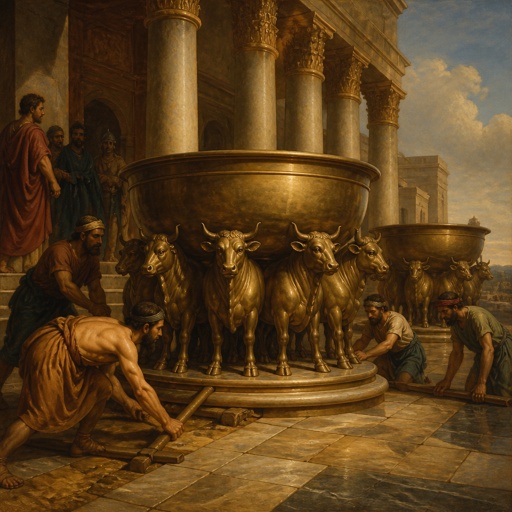
1 kings 7:8

1 Kings 8:10

1 Kings 8:21

1 Kings 8:10

1 Kings 8:10

1 Kings 8:21

1 kings 8:7

1 Kings 8:7

1 Kings 8:10

1 Kings 8:21

1 Kings 8:10

1 Kings 20:16 - "And they went out at noon. But Ben-hadad was drinking himself drunk in the pavilions, he and the kings, the thirty and two kings that helped him."

1 Kings 16:14 - "Now the rest of the acts of Elah, and all that he did, are they not written in the book of the chronicles of the kings of Israel?"

1 Kings 1:16 - "And Bath-sheba bowed, and did obeisance unto the king. And the king said, What wouldest thou?"

1 Kings 4:16 - "Baanah the son of Hushai was in Asher and in Aloth:"

1 Kings 16:1 - "Then the word of the LORD came to Jehu the son of Hanani against Baasha, saying,"

2 Kings 8:16 - "¶ And in the fifth year of Joram the son of Ahab king of Israel, Jehoshaphat being then king of Judah, Jehoram the son of Jehoshaphat king of Judah began to reign."

1 Kings 16:20 - "Now the rest of the acts of Zimri, and his treason that he wrought, are they not written in the book of the chronicles of the kings of Israel?"