What does 1 Kings 17:1 mean?
"And Elijah the Tishbite, who was of the inhabitants of Gilead, said unto Ahab, As the LORD God of Israel liveth, before whom I stand, there shall not be dew nor rain these years, but according to my word." - 1 Kings 17:1
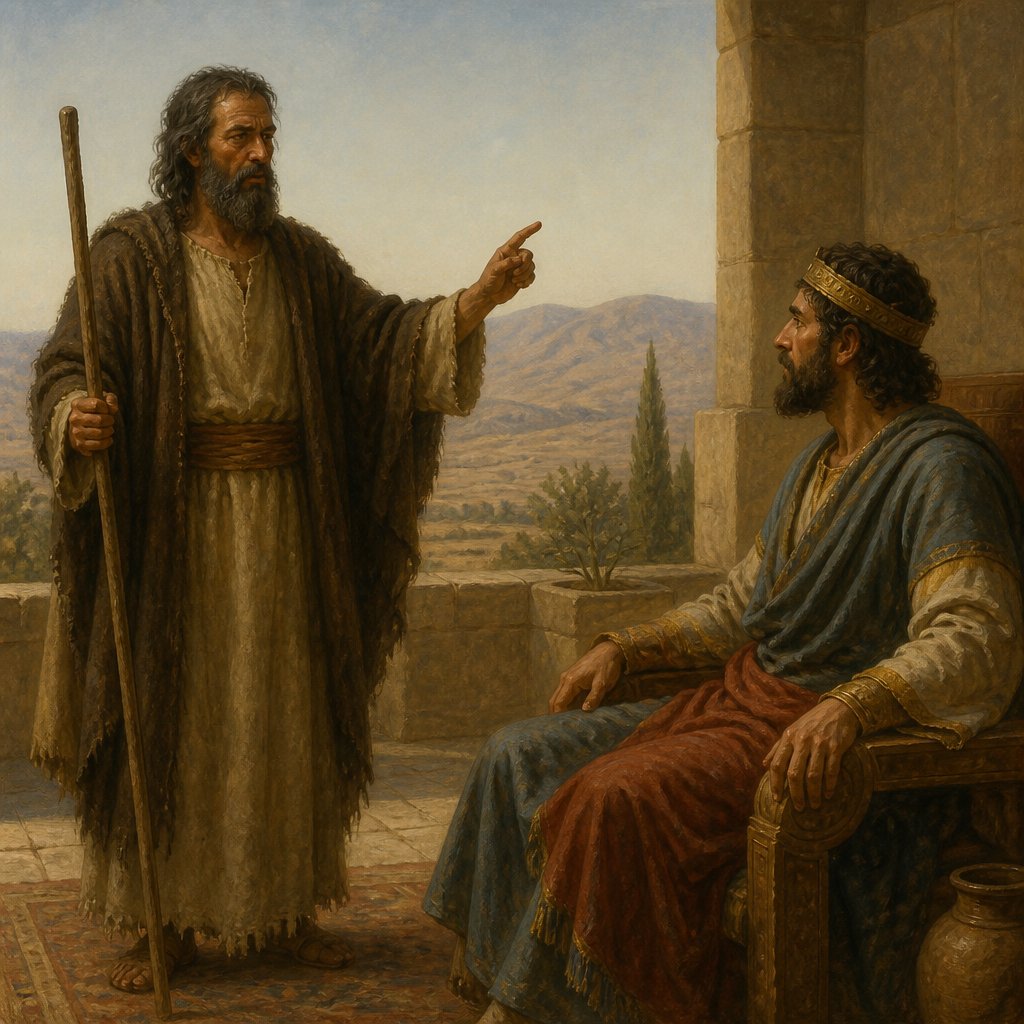
1 Kings 17:1 (KJV): "And Elijah the Tishbite, who was of the inhabitants of Gilead, said unto Ahab, As the Lord God of Israel liveth, before whom I stand, there shall not be dew nor rain these years, but according to my word."
The book of 1 Kings is a historical narrative of the reign of Solomon and the division of the kingdom after his death. This specific verse introduces the prophet Elijah and his confrontation with King Ahab. Elijah is described as "the Tishbite," meaning he was from the region of Tishbe in Gilead. This verse is significant not only because it marks the beginning of Elijah's ministry, but it also sets the stage for the ensuing conflict between the prophet and the king.
The context of this verse is important to understand its significance. Ahab was the king of Israel, and he was known for his wickedness and disobedience to God. His reign was marked by idolatry and the worship of false gods, particularly Baal. The prophet Elijah, on the other hand, was a faithful servant of the Lord, and he was called to confront Ahab and the people of Israel with the message of God's judgment.
When Elijah declares, "there shall not be dew nor rain these years, but according to my word," he is pronouncing a drought upon the land in response to the idolatry and disobedience of Ahab and the Israelites. This declaration carries a significant weight because in an agrarian society like ancient Israel, the absence of rain meant famine, hunger, and suffering for the people. By issuing this prophecy, Elijah not only challenges the authority of Ahab but also demonstrates God's sovereignty over the natural elements.
The theme of obedience and disobedience is central to this verse. Ahab's disobedience to God's commands and his indulgence in idolatry brought about the judgment of a drought upon the land. Conversely, Elijah's obedience to God's call and his willingness to confront the king with a message of judgment exemplify the prophet's faithfulness. This theme reinforces the biblical principle that obedience leads to blessings, while disobedience results in judgment and suffering.
Furthermore, the symbolism in this verse is profound. Elijah's declaration of a drought symbolizes God's judgment against the unrighteousness of Ahab and the people of Israel. It also symbolizes the power and authority of God over the forces of nature. The withholding of rain serves as a visible sign of God's displeasure and His active intervention in human affairs.
Additionally, Elijah's standing "before whom I stand" emphasizes his close relationship with the Lord and his role as a mediator between God and the people. This phrase signifies Elijah's commitment to serving God and his willingness to speak the word of the Lord, even in the face of opposition and danger.
In sum, 1 Kings 17:1 is a pivotal verse in the biblical narrative, laying the foundation for the conflict between Elijah and Ahab and highlighting the themes of obedience, disobedience, and God's sovereignty. It also serves as a powerful symbol of God's judgment and the prophetic ministry of Elijah. This verse challenges readers to consider the consequences of their actions and the importance of following God's commands.
Have questions about 1 Kings 17:1?
Dive deeper into this scripture with Bible Chat — an AI-powered tool for exploring God's Word through conversation. Ask questions, get context, and grow in your understanding of the Bible.
Get Our Apps


1 Kings 17:1 Artwork
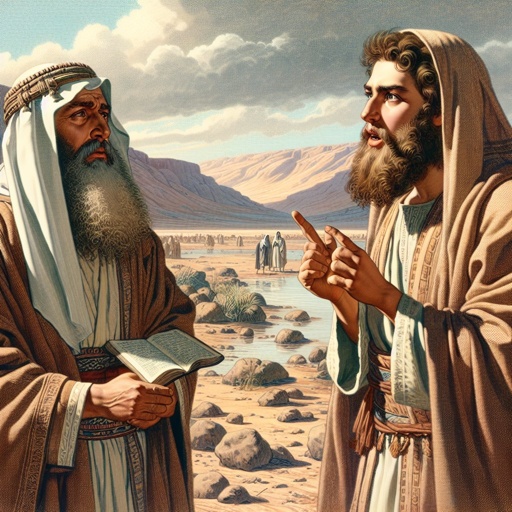
1 Kings 17:1 - "And Elijah the Tishbite, who was of the inhabitants of Gilead, said unto Ahab, As the LORD God of Israel liveth, before whom I stand, there shall not be dew nor rain these years, but according to my word."
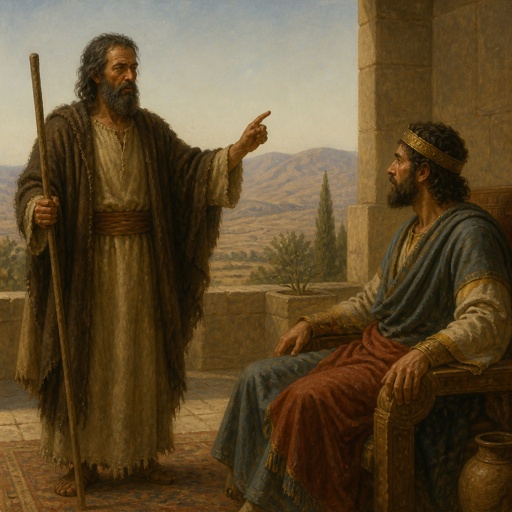
"And Elijah the Tishbite, who was of the inhabitants of Gilead, said unto Ahab, As the LORD God of Israel liveth, before whom I stand, there shall not be dew nor rain these years, but according to my word." - 1 Kings 17:1

1 Kings 4:17 - "Jehoshaphat the son of Paruah, in Issachar:"

1 Kings 21:17 - "¶ And the word of the LORD came to Elijah the Tishbite, saying,"

1 Kings 6:17 - "And the house, that is, the temple before it, was forty cubits long."

1 Kings 17:2 - "And the word of the LORD came unto him, saying,"

1 Kings 17:8 - "¶ And the word of the LORD came unto him, saying,"

1 Kings 9:17 - "And Solomon built Gezer, and Beth-horon the nether,"

1 Kings 17:17 - "¶ And it came to pass after these things, that the son of the woman, the mistress of the house, fell sick; and his sickness was so sore, that there was no breath left in him."

1 Kings 16:17 - "And Omri went up from Gibbethon, and all Israel with him, and they besieged Tirzah."

1 Kings 12:17 - "But as for the children of Israel which dwelt in the cities of Judah, Rehoboam reigned over them."

1 Kings 8:17 - "And it was in the heart of David my father to build an house for the name of the LORD God of Israel."

1 Kings 5:17 - "And the king commanded, and they brought great stones, costly stones, and hewed stones, to lay the foundation of the house."

"Jehoshaphat the son of Paruah, in Issachar:" - 1 Kings 4:17

1 Kings 17:22 - "And the LORD heard the voice of Elijah; and the soul of the child came into him again, and he revived."

1 Kings 17:4 - "And it shall be, that thou shalt drink of the brook; and I have commanded the ravens to feed thee there."

1 Kings 17:3 - "Get thee hence, and turn thee eastward, and hide thyself by the brook Cherith, that is before Jordan."

1 Kings 17:6 - "And the ravens brought him bread and flesh in the morning, and bread and flesh in the evening; and he drank of the brook."

1 Kings 17:7 - "And it came to pass after a while, that the brook dried up, because there had been no rain in the land."

1 Kings 14:17 - "¶ And Jeroboam's wife arose, and departed, and came to Tirzah: and when she came to the threshold of the door, the child died;"

2 Kings 17:1 - "In the twelfth year of Ahaz king of Judah began Hoshea the son of Elah to reign in Samaria over Israel nine years."

1 Kings 17:15 - "And she went and did according to the saying of Elijah: and she, and he, and her house, did eat many days."

1 Kings 18:17 - "¶ And it came to pass, when Ahab saw Elijah, that Ahab said unto him, Art thou he that troubleth Israel?"

1 Kings 17:24 - "¶ And the woman said to Elijah, Now by this I know that thou art a man of God, and that the word of the LORD in thy mouth is truth."

"And the word of the LORD came unto him, saying," - 1 Kings 17:2

"¶ And the word of the LORD came unto him, saying," - 1 Kings 17:8

"And the house, that is, the temple before it, was forty cubits long." - 1 Kings 6:17

"And Solomon built Gezer, and Beth-horon the nether," - 1 Kings 9:17

"¶ And the word of the LORD came to Elijah the Tishbite, saying," - 1 Kings 21:17

1 Kings 17:16 - "And the barrel of meal wasted not, neither did the cruse of oil fail, according to the word of the LORD, which he spake by Elijah."