What does 1 Kings 17:18 mean?
“And she said unto Elijah, What have I to do with thee, O thou man of God? art thou come unto me to call my sin to remembrance, and to slay my son?” — 1 Kings 17:18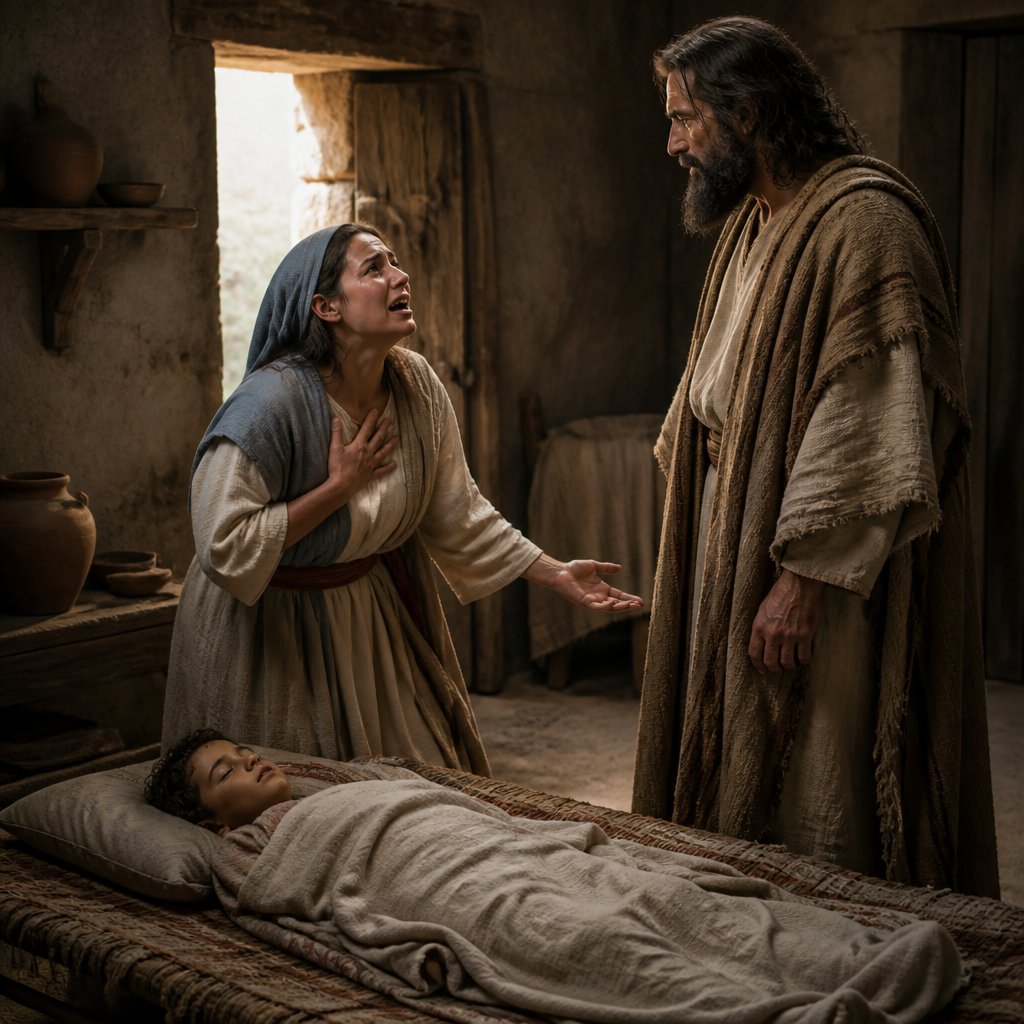
In 1 Kings 17:18, we read the poignant words of the widow of Zarephath who has just lost her son: "And she said unto Elijah, What have I to do with thee, O thou man of God? art thou come unto me to call my sin to remembrance, and to slay my son?"
This verse comes from the Old Testament and is part of the story of the prophet Elijah during a time of severe drought and famine. God had directed Elijah to go to Zarephath, where he met a widow who was gathering sticks to prepare a last meal for herself and her son before they expected to die of starvation. Elijah, under the direction of God, asks the woman to bring him some water and a morsel of bread. Initially, the widow states that she has only a handful of flour and a little oil left, with which she needs to make a meal for herself and her son before they die. Elijah reassures her, asking her to follow his instructions and trust in God, and promising that her flour and oil would not run out until the drought ended.
After some time, the widow's son falls seriously ill and eventually dies. The mother understandably feels a deep sense of despair, and she addresses Elijah with the words of 1 Kings 17:18. The woman seems to be expressing her belief that Elijah's presence in her home has somehow brought attention to her sins, which she believes may have contributed to her son's death. She may also be questioning why God would have allowed her son to die, despite the miracle of the never-ending flour and oil that had sustained them up to that point.
This verse resonates with themes of suffering, despair, faith, and theodicy (the problem of evil and suffering in a world created by a loving and all-powerful God). The widow's words express raw emotion and deep anguish, reflecting the pain of a mother who has just lost her child. Her questioning of Elijah, the "man of God," and her accusations of sin and the potential consequences of those sins are a human response to tragedy and loss. She is wrestling with the age-old question of why bad things happen to good people, as well as the perceived connection between personal sin and suffering.
Elijah's response to the widow's anguish and her son's death is an important part of the story, and it provides insight into the theme of faith in the face of despair. He takes the boy, lays him on his own bed, and earnestly prays to God, asking for the boy's life to be restored. Through God's power and Elijah's faith, the boy is indeed restored to life, and the widow's hope and trust in God are ultimately reaffirmed.
The context of this verse within the larger narrative of Elijah's interactions with the widow of Zarephath is also significant. It highlights the ongoing theme of God's provision and faithfulness, even in the midst of seemingly insurmountable challenges. The widow's statement to Elijah also serves as a pivotal moment in her own faith journey, as she grapples with the complex relationship between personal sin, suffering, and God's sovereignty.
Symbolically, this verse can be seen as a representation of the human tendency to question and struggle with faith in the face of adversity and tragedy. The widow's words capture the universal experience of grappling with feelings of guilt, doubt, and confusion when confronted with suffering and loss. At the same time, the resolution of the story through the restoration of the widow's son reflects the redemptive power of God and the potential for hope and healing in the midst of despair.
In conclusion, 1 Kings 17:18 is a powerful and moving verse that captures the raw human emotions associated with suffering and loss. It invites readers to contemplate the complexities of faith, sin, and theodicy, while also pointing to the enduring themes of God's provision, power, and redemptive love. The story of Elijah and the widow of Zarephath ultimately serves as a reminder of the hope that can be found in trusting in God, even in the darkest of circumstances.
Get our apps


Artwork for 1 Kings 17:18

1 Kings 17:18 - "And she said unto Elijah, What have I to do with thee, O thou man of God? art thou come unto me to call my sin to remembrance, and to slay my son?"
"And she said unto Elijah, What have I to do with thee, O thou man of God? art thou come unto me to call my sin to remembrance, and to slay my son?" - 1 Kings 17:18

1 Kings 18:17 - "¶ And it came to pass, when Ahab saw Elijah, that Ahab said unto him, Art thou he that troubleth Israel?"

Revelation 17:18 - "And the woman which thou sawest is that great city, which reigneth over the kings of the earth."

1 Kings 19:1-18

2 Kings 17:18 - "Therefore the LORD was very angry with Israel, and removed them out of his sight: there was none left but the tribe of Judah only."

1 Kings 4:17 - "Jehoshaphat the son of Paruah, in Issachar:"

1 Kings 4:18 - "Shimei the son of Elah, in Benjamin:"

1 Kings 9:18 - "And Baalath, and Tadmor in the wilderness, in the land,"

1 Esdras 1:17-18 (KJVA) 17 Thus were the things that belonged to the sacrifices of the Lord accomplished in that day, that they might hold the passover, 18 And offer sacrifices upon the altar of the Lord, according to the commandment of king Josias.
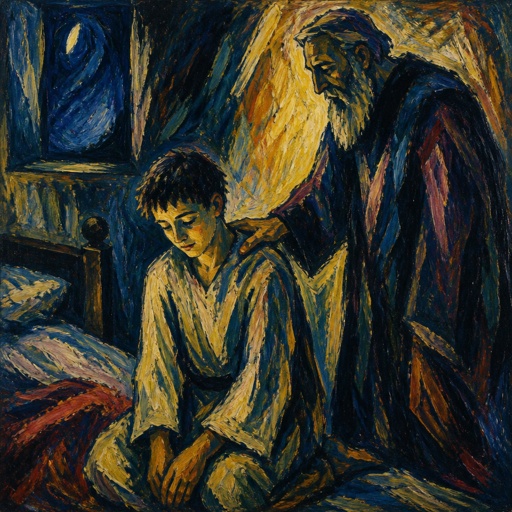
1 Samuel 3:17-18

1 Esdras 1:17-18 (KJVA) 17 Thus were the things that belonged to the sacrifices of the Lord accomplished in that day, that they might hold the passover, 18 And offer sacrifices upon the altar of the Lord, according to the commandment of king Josias.

2 Kings 1:18 - "Now the rest of the acts of Ahaziah which he did, are they not written in the book of the chronicles of the kings of Israel?"

1 Kings 1:18 - "And now, behold, Adonijah reigneth; and now, my lord the king, thou knowest it not:"
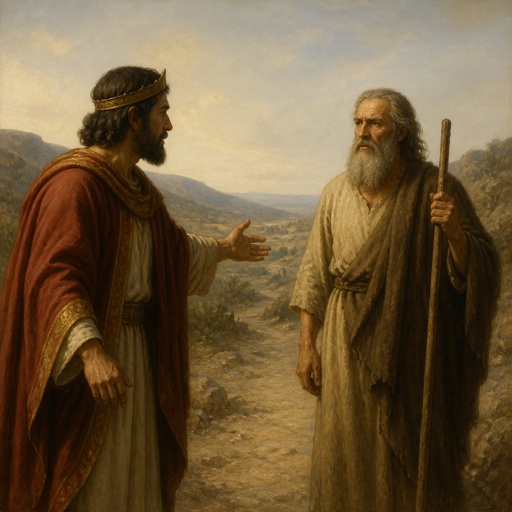
"¶ And it came to pass, when Ahab saw Elijah, that Ahab said unto him, Art thou he that troubleth Israel?" - 1 Kings 18:17

1 Kings 21:17 - "¶ And the word of the LORD came to Elijah the Tishbite, saying,"

1 Kings 17:8 - "¶ And the word of the LORD came unto him, saying,"

1 Kings 6:17 - "And the house, that is, the temple before it, was forty cubits long."

1 Kings 17:2 - "And the word of the LORD came unto him, saying,"

1 Kings 9:17 - "And Solomon built Gezer, and Beth-horon the nether,"

1 Kings 10:18 - "¶ Moreover the king made a great throne of ivory, and overlaid it with the best gold."

1 Kings 2:18 - "And Bath-sheba said, Well; I will speak for thee unto the king."

1 Kings 17:17 - "¶ And it came to pass after these things, that the son of the woman, the mistress of the house, fell sick; and his sickness was so sore, that there was no breath left in him."

1 Kings 18:2 - "And Elijah went to shew himself unto Ahab. And there was a sore famine in Samaria."

Elijah in the scene 1 Kings 18:36–38

1 Kings 16:17 - "And Omri went up from Gibbethon, and all Israel with him, and they besieged Tirzah."

1 Kings 12:17 - "But as for the children of Israel which dwelt in the cities of Judah, Rehoboam reigned over them."

1 Chronicles 18:17 - "And Benaiah the son of Jehoiada was over the Cherethites and the Pelethites; and the sons of David were chief about the king."

1 Kings 18:35 - "And the water ran round about the altar; and he filled the trench also with water."

1 Kings 18:11 - "And now thou sayest, Go, tell thy lord, Behold, Elijah is here."